
Border
1988
No user ratings available yet
Representation score: 3.2 out of 10
Representation Score
Limited
1989
Director
Miloslav Luther
Runtime
89 minutes
Average Rating
No ratings yetNew Showbiz Analysis
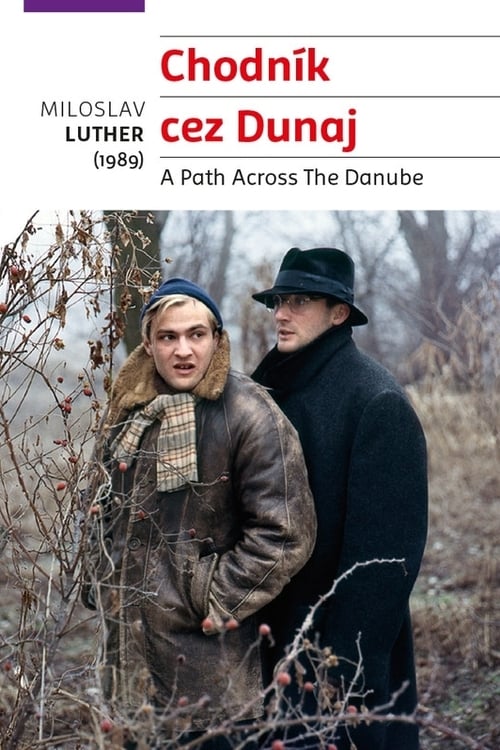
A Path Across the Danube is a historical drama that explores survival through the geopolitical fragmentation of WWII-era Czechoslovakia. It provides a meaningful critique of oppressive state apparatuses and the systemic dangers faced by underrepresented identities during the Holocaust. However, the film adheres to traditional dramatic conventions of its era. The narrative focus remains heavily gendered, prioritizing men's control over the story and utilizing female characters as plot devices rather than independent agents. While the film lacks LGBTQ+ or disability representation, its depiction of ethnic vulnerability offers a necessary counter-narrative to standard nationalist historical dramas.
Category Breakdown
The film does not include any LGBTQ+ characters or narratives. The central romantic interest is focused on a traditional relationship with a female colleague.
The story focuses on male characters driving the survivalist plot. A female colleague appears but mainly serves as a catalyst for the male lead's actions.
The film highlights ethnic tensions by centering the survival of a Jewish clerk. This pairing disrupts purely nationalist narratives by emphasizing shared persecution.
The narrative critiques mid-century institutional power and authoritarianism. It depicts the Gestapo as an antagonist, showing state structures as predatory and dangerous.
There are no characters with visible or invisible disabilities in this production.
Present on Screen
Limited or Absent
Official Synopsis
In WWII, Czechoslovakia split into the Slovak State and the Protectorate of Bohemia and Moravia. Former pilot Viktor Lesa works for the Slovak Railway Mail and often comes to the border town of Ludendorf, the former Czech town of Bfeclav. In order to impress a young female colleague, he redirects an important package. The Gestapo shows up in the town and Lesa together with a Jewish clerk, Tichacek, have to run for their lives . They ride a cargo train to Slovakia and they decide to escape to Hungary by crossing the Danube.
1988
1998
1984

1943
2002
1973
1980
2006
No reviews yet. Be the first to share your thoughts on this movie!
Use the rating form above to leave a star rating and optional review.