Stage Struck
1950
No user ratings available yet
Diversity score: 1.6 out of 10
No Poster Available
1957
ApprovedDirector
Mannie Davis
Runtime
6 minutes
Average Rating
No ratings yetSynopsis
In this Cinemascope Terrytoon, Beefy the Bull retires from the bullfighting ring after successfully defending his championship. His son, Beefy Junior, vows that he too will become a great champion like his father, but his Mama insists on him taking music lessons instead.
Overall Score
Minimal
Category Breakdown
LGBTQ+ Representation
The film centers on a traditional nuclear family structure. There are no depictions of non-cisnormative identities or narratives that challenge heteronormativity.
Gender Representation
Character roles follow mid-century conventions. Males are defined by physical prowess and legacy, while the female character occupies a domestic, advisory role.
Racial & Ethnic Diversity
The cast consists entirely of anthropomorphic animals. There is no evidence of intersectional casting or the inclusion of diverse cultural identities.
Religious & Cultural Diversity
The story focuses on themes of legacy and familial duty. It follows a classical arc regarding tradition versus refinement without exploring broader cultural diversity.
Disability Representation
No characters are depicted with visible or invisible disabilities.
Strengths
Areas for Improvement
AI Analysis
A Bum Steer is a product of its era, utilizing anthropomorphic archetypes to tell a simple story of legacy and family. The narrative relies heavily on established mid-century tropes, particularly regarding gender and social roles. The film reinforces traditional hierarchies rather than questioning them. Masculinity is tied to physical achievement, while the female presence is relegated to domestic guidance. Ultimately, the short functions as a conventional fable. It offers little in the way of social complexity or diverse representation, sticking strictly to the standard animation frameworks of 1957.
1950
1945
1952
1947
1940
1952
1940
1938
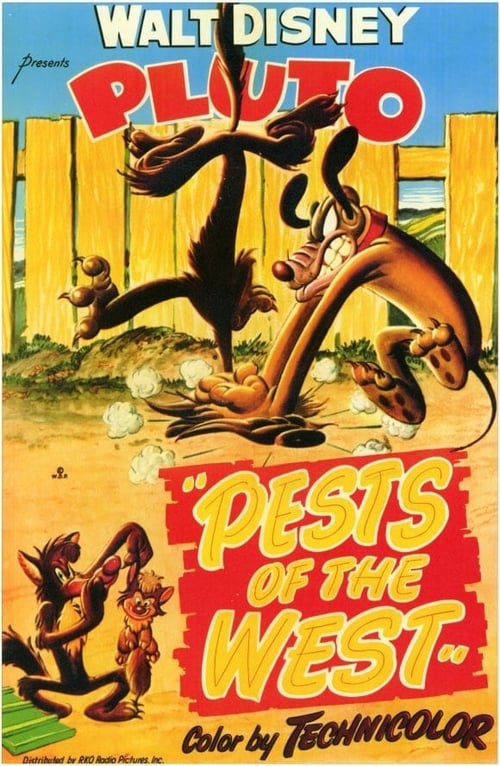
1950
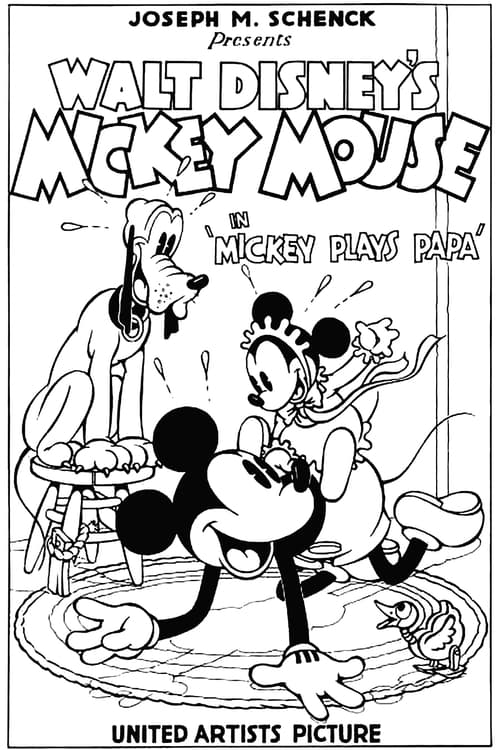
1934
1942

1946
No reviews yet. Be the first to share your thoughts on this movie!
Use the rating form above to leave a star rating and optional review.