
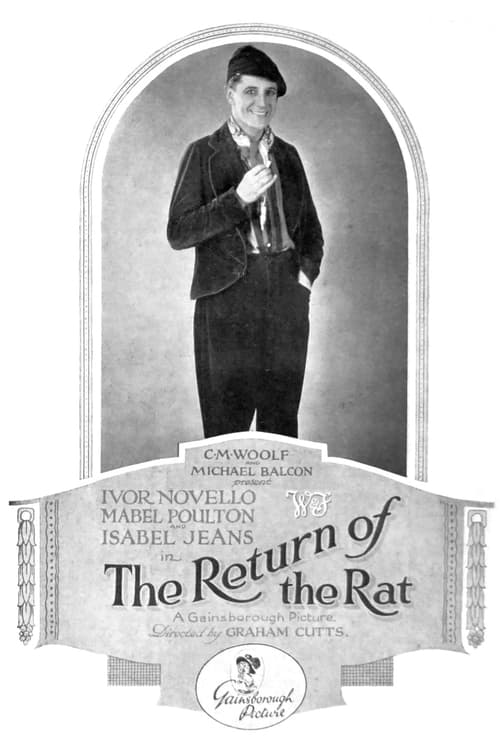
The Triumph of the Rat
1926
No user ratings available yet
Representation score: 0.6 out of 10
Representation Score
Limited
1929
Director
Graham Cutts
Runtime
84 minutes
Average Rating
No ratings yetNew Showbiz Analysis
The film functions as a typical crime melodrama of the late 1920s. While it slightly deviates from traditional female archetypes through Zelie's amoral portrayal, the primary conflict remains centered on male honor and traditional romantic tensions. The production lacks complexity in representing diverse identities, focusing instead on individual ambition and reputation within a homogeneous social context. It does not engage with systemic critiques or diverse identity representations. Ultimately, the film's structure reinforces the conventional social hierarchies and gendered conflicts characteristic of early British crime cinema.
Category Breakdown
The film does not include any explicit LGBTQ+ characters or themes focused on non-straight relationships. The main conflict revolves around a traditional romantic relationship involving a wife and another man.
Zelie offers a minor twist on the virtuous woman stereotype by being portrayed as amoral. However, her actions remain closely tied to romantic interests rather than independent power.
The storyline focuses on a homogeneous social class typical of 1920s crime narratives. There is no indication of intentional ethnic diversity or varied casting.
The film uses the Paris underworld as a backdrop for personal drama rather than a broader social critique. It emphasizes individual reputation over institutional critique.
There are no characters with visible or invisible disabilities mentioned in the available narrative details.
Present on Screen
Limited or Absent
Official Synopsis
The rich, amoral Zelie is married to Pierre Boucheron, "The Rat" - but her interest in another man is an open secret. Forced to defend his honour, the Rat takes refuge in his old domain of the Paris underworld. But even here he has a rival - and when murder is afoot, the sinister Morel's ambition threatens to cost the Rat dear....
1926

1937
1933

1952

1939
1930
1930
1930
No reviews yet. Be the first to share your thoughts on this movie!
Use the rating form above to leave a star rating and optional review.