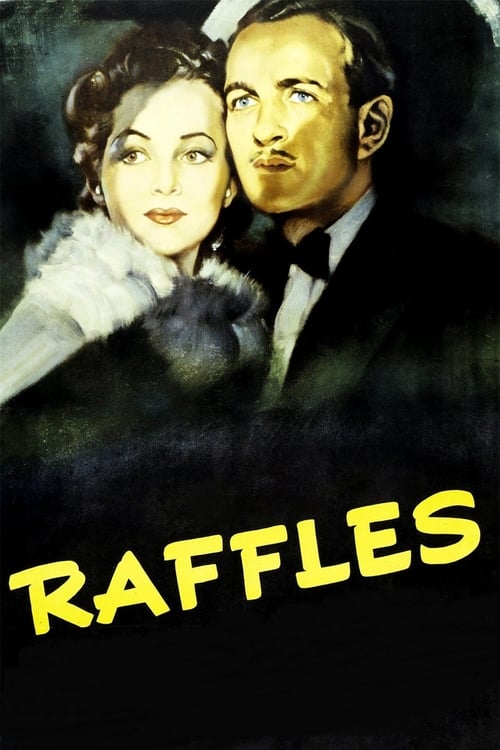
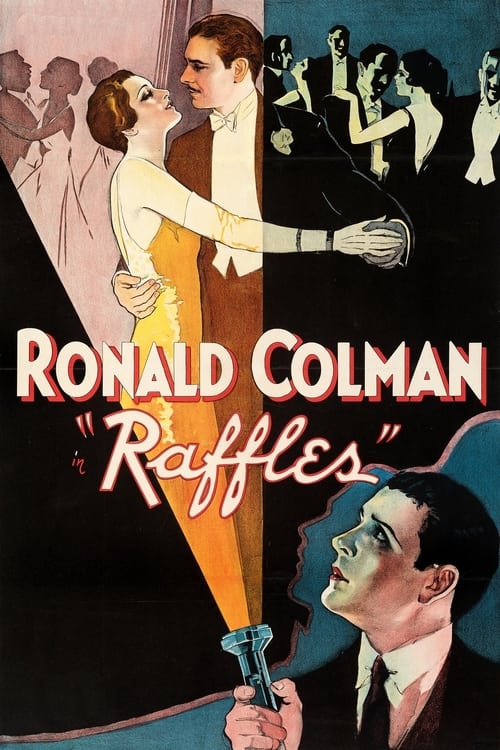
Raffles
1939
No user ratings available yet
Representation score: 1.0 out of 10
Representation Score
Minimal
1930
Director
George Fitzmaurice, Harry d'Abbadie d'Arrast
Runtime
72 minutes
Average Rating
No ratings yetNew Showbiz Analysis
Raffles is a classic product of the early sound era, emphasizing genre clichés and established social hierarchies. The film reinforces the status quo rather than challenging it. The story centers on preserving class distinctions and conventional social roles. By focusing on the romanticized life of a high-society thief, the film maintains a narrow, homogeneous view of the world. Ultimately, the production lacks any meaningful attempt to challenge the racial, gender, or social norms of its time, resulting in a limited scope of representation.
Category Breakdown
The film does not feature any LGBTQ+ characters or identities. It operates within a framework that assumes everyone is straight and cisgender.
Female characters are mainly portrayed as recipients of actions rather than drivers of the plot. They are often used as romantic foils or social stabilizers for the male protagonist.
The cast is predominantly white, focusing on the British upper class of Edwardian London. There is no racial diversity in the film.
The film upholds traditional Western social structures and romanticizes the gentleman thief cliché. It does not offer a critical view of Western institutions.
There is no visible or invisible representation of disability. Characters are portrayed as able-bodied members of the social elite.
Present on Screen
Limited or Absent
Official Synopsis
A distinguished English gentleman has a secret life--he is the notorious jewel thief the press has dubbed "The Amateur Cracksman". When he meets a woman and falls in love he decides to "retire" from that life, but an old friend comes to him with a predicament that entails him committing one last job.
1939

1937
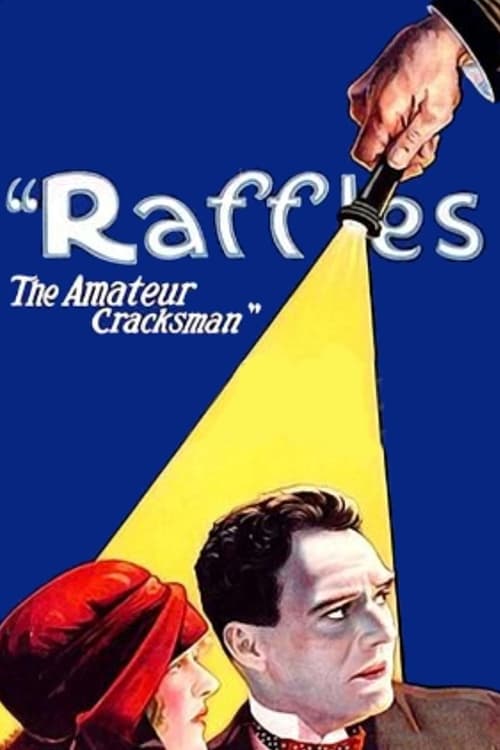
1925

1917
1923
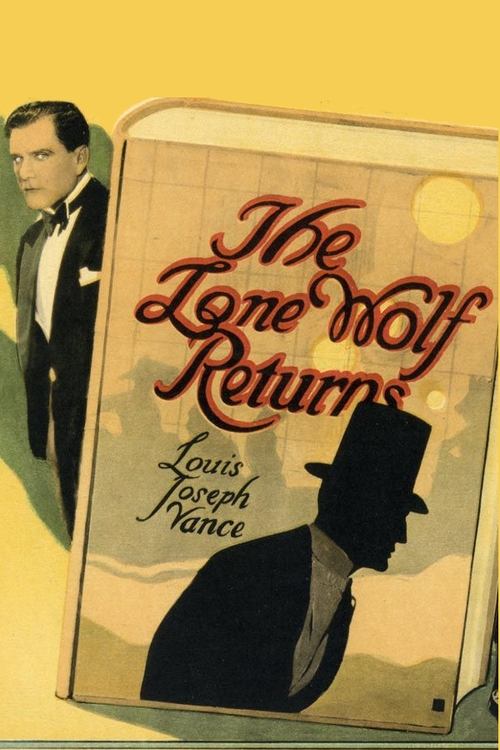
1926
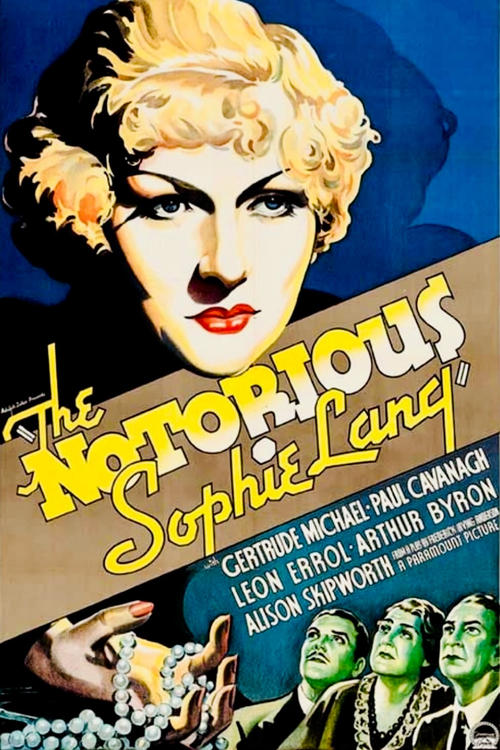
1934
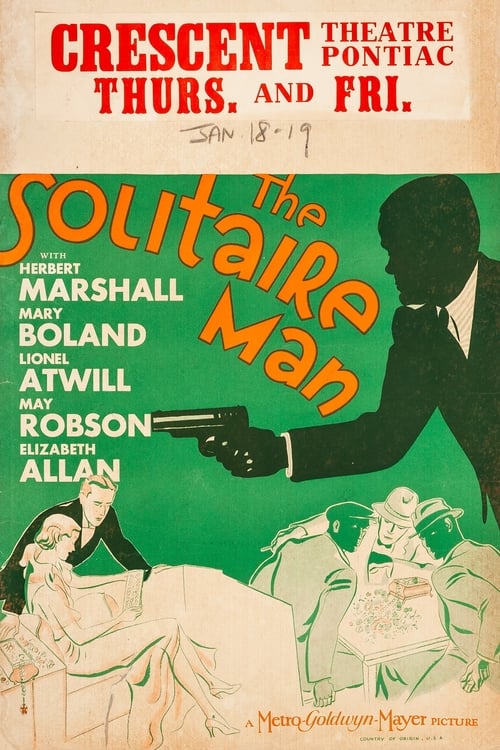
1933
No reviews yet. Be the first to share your thoughts on this movie!
Use the rating form above to leave a star rating and optional review.