
Stress Is Three
1968
No user ratings available yet
Diversity score: 4.9 out of 10

1963
Director
Francisco Regueiro
Runtime
90 minutes
Average Rating
No ratings yetSynopsis
A couple of young university students decide to spend the day in Toledo, in order to forget a little of the routine in which they are. At nine o'clock in the morning, José Luis waits at the Atocha station for his girlfriend, Mari Carmen. The couple has deceived their families, who have told that they will eat in the Faculty. The journey is eternal and the stay in the city, rather than surprise them, as they expected, immerses them, even more, in the monotony in which they live. Without friends, without relatives and without university partners, the couple will spend twelve hours in Toledo, half a day of tenderness in the rain and the December sun that will help them to know themselves better.
Overall Score
Fair
Category Breakdown
LGBTQ+ Representation
The film centers on a heterosexual pairing between José Luis and Mari Carmen. There is no explicit evidence of queer identities or subtext within the narrative.
Gender Representation
Mari Carmen and José Luis demonstrate agency by deceiving their families to reclaim personal time. The film emphasizes psychological autonomy over traditional patriarchal or domestic roles.
Racial & Ethnic Diversity
The setting and character descriptions suggest a homogeneous Mediterranean cast. There is no evidence of racial blending or diverse ethnic representation in the story.
Religious & Cultural Diversity
The narrative critiques traditional institutions by prioritizing a secular, solitary experience over religious or communal obligations. It frames social structures as restrictive to individual autonomy.
Disability Representation
The story contains no mention of characters navigating physical, sensory, or neurodivergent conditions.
Strengths
Areas for Improvement
AI Analysis
The Good Love functions as a character study that prioritizes existential autonomy over the rigid social hierarchies of 1960s Spain. While the film lacks demographic breadth in terms of race or LGBTQ+ visibility, it succeeds in subverting mid-century norms through its focus on individual agency. The protagonists' decision to escape familial and social expectations provides a subtle critique of traditional Western institutions. By centering the narrative on the internal lives of two students, the film moves away from performative social roles toward a more introspective, egalitarian dynamic. Ultimately, the film's strength lies in its thematic depth rather than its demographic variety. It uses a micro-scale interaction to challenge the stifling monotony of the era's conventional social and religious structures.
1968
1975

2003

1996

1968
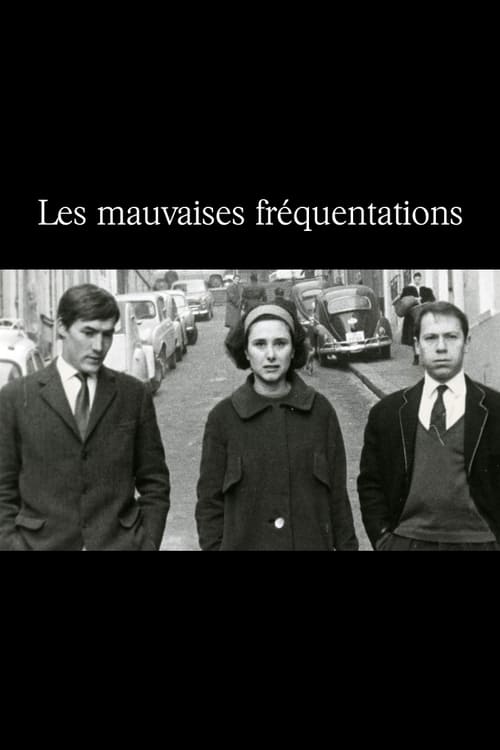
1963

2010
1972

1968

2014
1986

2008
No reviews yet. Be the first to share your thoughts on this movie!
Use the rating form above to leave a star rating and optional review.