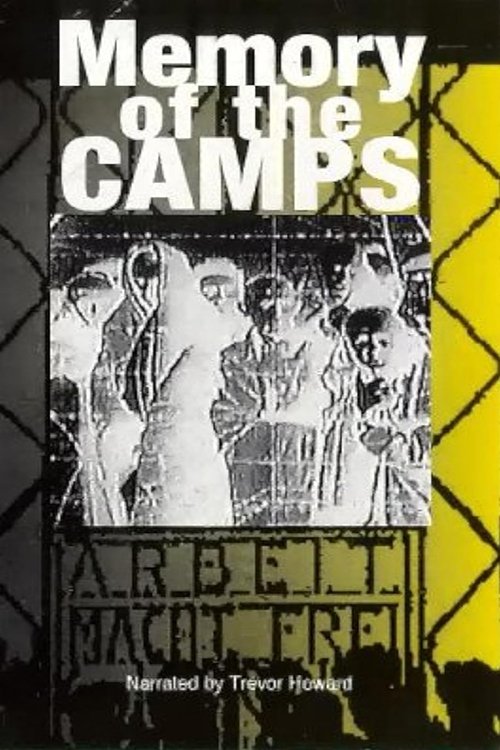
Memory of the Camps
1985
No user ratings available yet
Representation score: 6.6 out of 10
Representation Score
Good
1982
PGDirector
Arnold Schwartzman
Runtime
84 minutes
Average Rating
No ratings yetNew Showbiz Analysis
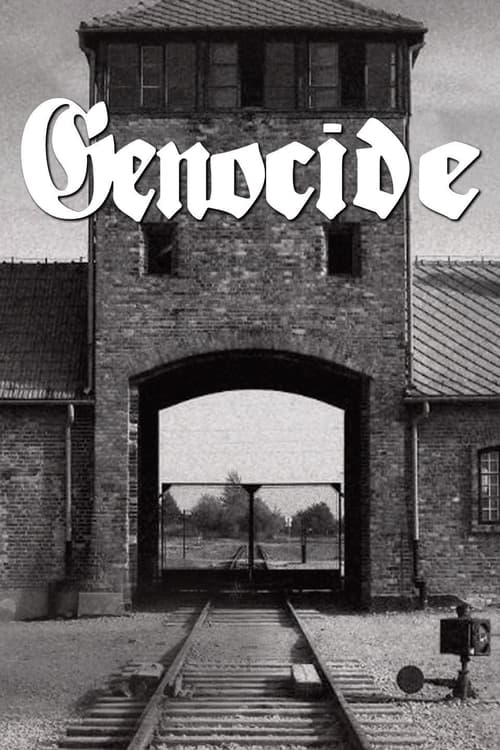
Genocide (1982) serves as a historical autopsy of state-sponsored violence, using animation and newsreels to give ability to act to victims. By translating written testimonies into visual metaphors, the film moves beyond detached archival recitation to center a underrepresented group's experience. The work excels at preserving cultural memory and challenging dominant historical narratives through its focus on Jewish identity. It employs avant-garde techniques to represent experiences that archival footage cannot capture. However, the film's scope is historically specific, meaning it lacks representation of contemporary multi-layered identities. It focuses on the systemic destruction of a population rather than exploring diverse gendered or neurodivergent perspectives.
Category Breakdown
The film focuses solely on the ethnic and religious targeting of the Jewish population. There are no visible LGBTQ+ character arcs or narratives coded as queer.
Female voices are included through victim testimonies, providing a baseline for representation. However, the film does not delve into gendered power dynamics or hierarchies.
The film centers on the experiences of a underrepresented ethnic and religious group. It prioritizes Jewish histories to challenge standard Eurocentric historical narratives.
The narrative critiques state-driven nationalism and institutional corruption. It emphasizes the preservation of a culture under threat from an oppressive hegemony.
Physical devastation and trauma are depicted as consequences of systemic violence. These elements lack independent ability to act or contemporary explorations of disability.
Present on Screen
Limited or Absent
Official Synopsis
The mass murder of Jewish people by the Nazi regime is chronicled, with a warning that anti-Semitism is on the rise and the events of the Holocaust could happen again. The history of European Jewish culture and events before and during the Holocaust are seen in newsreels, photographs, and animated segments. The words of the victims of the era are read, and footage from the liberation os a concentration camp is shown.
1985
1998
2000
1985

2023
2022
2003

2001
No reviews yet. Be the first to share your thoughts on this movie!
Use the rating form above to leave a star rating and optional review.