The President's Staff
2013
No user ratings available yet
Diversity score: 1.5 out of 10
2006
PGDirector
Wes Llewellyn
Runtime
93 minutes
Average Rating
No ratings yetSynopsis
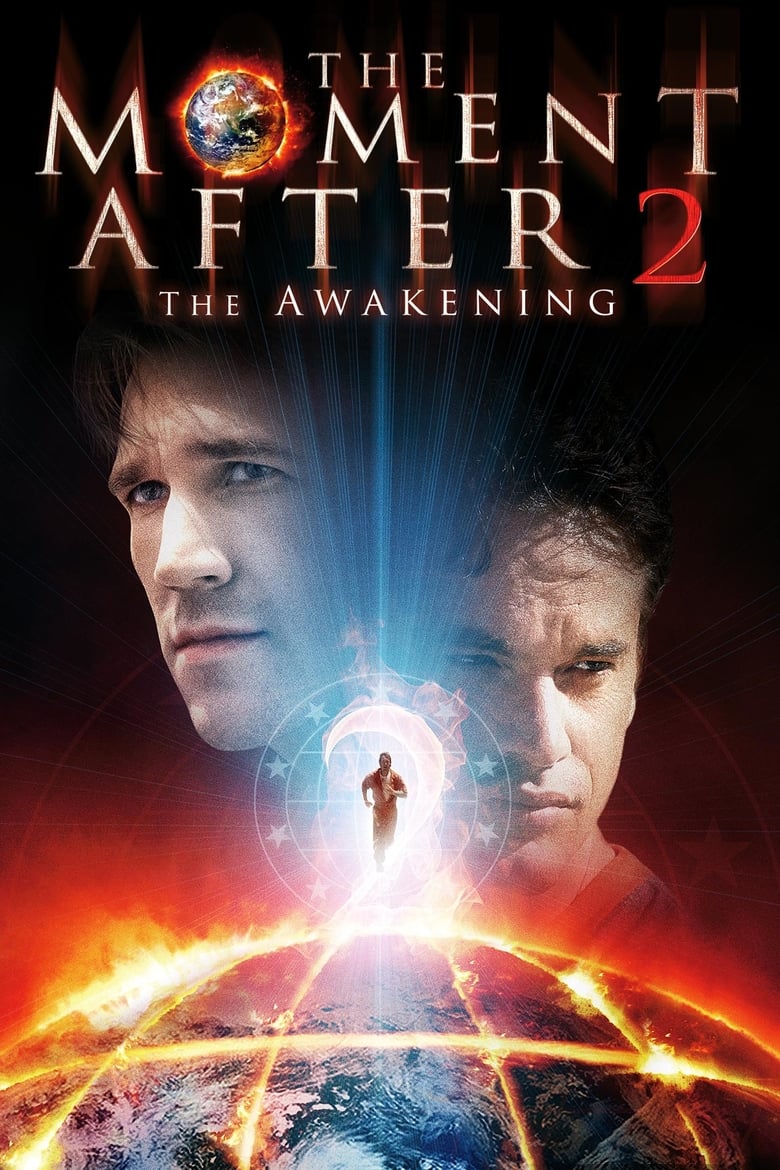
In The New World Order, who can you trust? The government? Ragtag militia? Religious "fanatics"? After a dramatic escape from death row, former FBI agent Adam Riley (David A.R. White) reunites with his friend and mentor Jacob Krause (Brad Heller) leader of The Way, and his small remnant of Christians. Little do they know the forces out for their destruction. Global Alliance leader Commander Fredericks (Monte Perlin) has forced Adam's former partner Charles Baker (Kevin Downes) to hunt them down while a ragtag militia, led by "Captain" Jackson (Lonnie Colon), spy on them for their own gain. As events lead to an explosive confrontation, all will be forced to an awakening of the real struggle... for their very souls.
Overall Score
Minimal
Category Breakdown
LGBTQ+ Representation
The film contains no mention of LGBTQ+ characters or queer narratives. The story focuses entirely on religious and governmental conflict.
Gender Representation
The plot prioritizes masculine archetypes like FBI agents and commanders. Primary agency is concentrated among male characters, reinforcing conventional gender hierarchies.
Racial & Ethnic Diversity
Character descriptions utilize standard Western archetypes. There is no evidence of a multi-ethnic cast within the provided narrative descriptions.
Religious & Cultural Diversity
The narrative centers on a Christian remnant fighting a secular Global Alliance. It prioritizes traditional Western religious values over intersectional perspectives.
Disability Representation
No visible or invisible disabilities are integrated into the character arcs or mentioned in the plot summary.
Strengths
Areas for Improvement
AI Analysis
The film operates as a traditionalist narrative that reinforces established social and religious hierarchies. It frames conflict through spiritual absolutism rather than exploring diverse or intersectional identities. The story focuses on a binary struggle between faith-based groups and secular institutions. This narrow thematic scope limits the representation of various cultural and social perspectives. Ultimately, the production lacks complexity, favoring a singular religious worldview and conventional character archetypes.
2013

2006
2019

2024

2025
2020
2009
2005

2018
2000

2009
2011
No reviews yet. Be the first to share your thoughts on this movie!
Use the rating form above to leave a star rating and optional review.