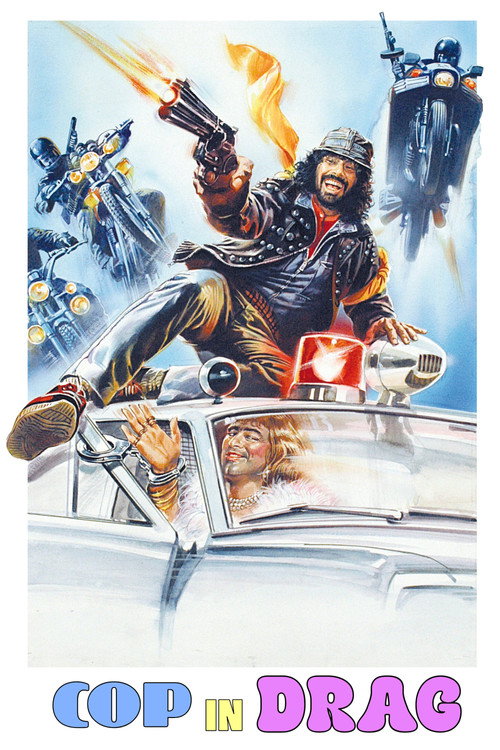
Cop in Drag
1984
No user ratings available yet
Representation score: 4.1 out of 10
Representation Score
Limited
1980
Director
Bruno Corbucci
Runtime
92 minutes
Average Rating
No ratings yetNew Showbiz Analysis
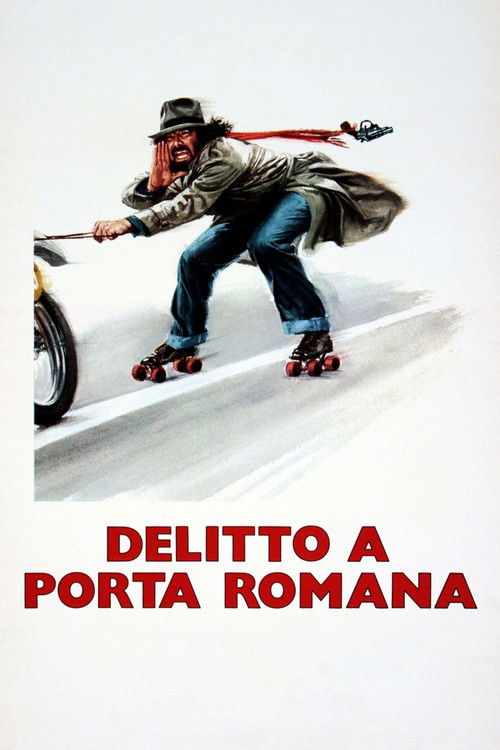
Crime at Porta Romana is a conventional genre piece that adheres to the social and cinematic norms of 1980s Italy. The narrative structure relies on established formulas of the era, focusing on a male inspector and a male suspect within a specific urban setting. The film does not show an intention to disrupt social hierarchies or integrate multi-layered identities. It serves as populist entertainment that upholds existing power structures rather than challenging them. Ultimately, the work lacks representation for LGBTQ+ identities, diverse racial backgrounds, or characters with disabilities, resulting in a score that reflects its adherence to traditional, homogeneous storytelling.
Category Breakdown
The film does not include any LGBTQ+ characters or narratives that question the assumption that everyone is straight or cisgender. It follows traditional comedic formulas of the time that rarely prioritize non-traditional gender identities.
The main plot drivers, such as authority and investigation, are focused on male characters. There is no indication of challenging traditional gender roles or showing masculinity as flawed.
The film examines class differences within a Milanese ghetto. However, the cast appears mostly uniform, reflecting the traditional makeup of 1980s European cinema.
The story emphasizes the legitimacy of state institutions rather than depicting them as oppressive. It centers on individual morality and connections within the local community.
There is no noticeable mention of characters with visible or invisible disabilities. Disability is not used as a central plot device or a subject of ridicule.
Present on Screen
Limited or Absent
Official Synopsis
A police inspector is called to Milan to investigate a murder case since he grew up in the same ghetto as the suspect.
1984
1973
1978

2013
1979

1982

1979
1986
No reviews yet. Be the first to share your thoughts on this movie!
Use the rating form above to leave a star rating and optional review.