
The Shipping News
2001
No user ratings available yet
Representation score: 5.7 out of 10
Representation Score
Fair
2004
PG-13Director
Charles Dance
Runtime
104 minutes
Average Rating
No ratings yetNew Showbiz Analysis
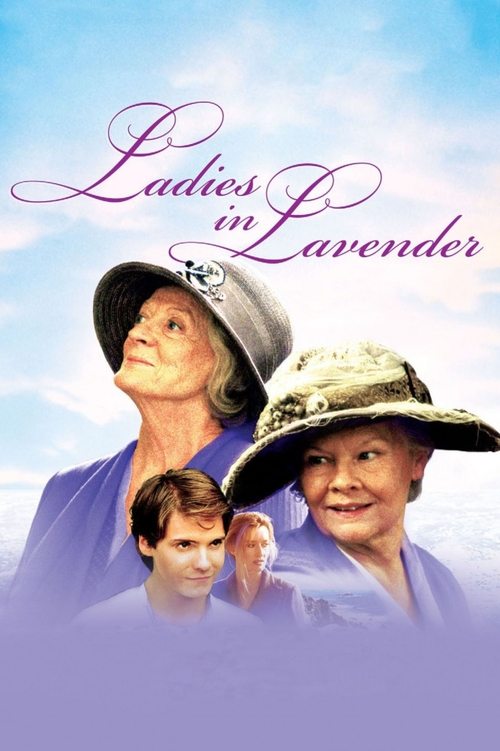
Ladies in Lavender is a traditional period drama that adheres to the historical norms of 1951. It focuses on classic storytelling and romantic realism, emphasizing the domestic lives of its characters. The film excels in its portrayal of women's emotional autonomy and the internal lives of the Widdington sisters. However, it lacks meaningful representation of diverse identities, ethnic backgrounds, or the complexities of disability, sticking to conventional romantic themes.
Category Breakdown
The film follows the traditional romantic norms of 1951 England, focusing on a relationship between a man and a woman without delving into LGBTQ+ identities.
The narrative explores the aging process and emotional independence of women, highlighting the intellectual and resilient qualities of the Widdington sisters.
Set in a homogenous English village of the 1950s, the film uses Andrea’s Polish heritage mainly as a romantic plot point rather than a detailed exploration of his cultural background.
The story emphasizes the stability and community values of village life without questioning the established social norms of the time.
Andrea's physical condition is used primarily as a plot device to advance the storyline, rather than examining the lived experiences of disability.
Present on Screen
Limited or Absent
Official Synopsis
Andrea, a gifted young Polish violinist from Krakow, is bound for America when he is swept overboard by a storm. When the Widdington sisters discover the handsome stranger on the beach below their house, they nurse him back to health. However, the presence of the musically talented young man disrupts the peaceful lives of Ursula and Janet and the community in which they live.
2001

1945

1993

1995

2016

2003

2020

1999
No reviews yet. Be the first to share your thoughts on this movie!
Use the rating form above to leave a star rating and optional review.