
The Bachelors
2017
No user ratings available yet
Representation score: 3.7 out of 10
Representation Score
Limited
2020
PG-13Director
Vicky Wight
Runtime
109 minutes
Average Rating
No ratings yetNew Showbiz Analysis
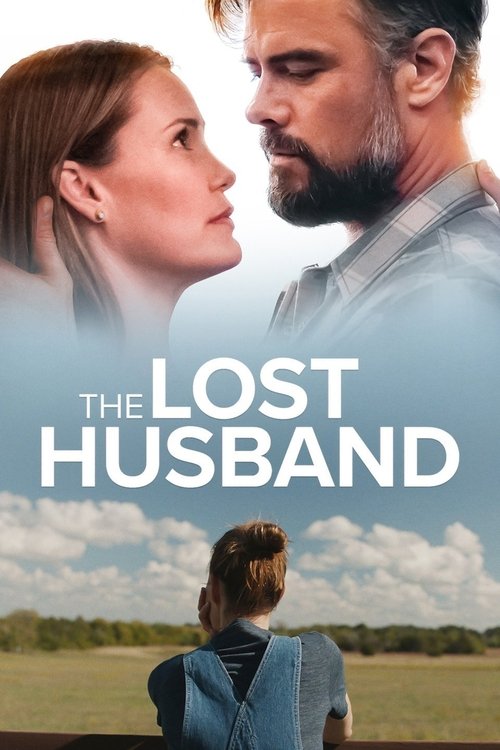
The Lost Husband is a character-driven period drama that emphasizes historical realism and psychological depth. Its strength lies in its nuanced exploration of female autonomy within a restrictive economic environment. By focusing on the protagonist's efforts to manage a farm, the film provides a meaningful look at gendered labor. However, the film lacks diversity in its portrayal of different backgrounds and identities. The setting is narrowly focused on a homogeneous white community, and there is no representation of LGBTQ+ identities or diverse ethnic groups. This narrows the narrative scope to a specific, traditional social landscape.
Category Breakdown
The film does not include any explicit LGBTQ+ narratives or characters with non-straight identities. The story centers around a widow and her family in a rural setting.
The narrative explores gender roles and autonomy. It challenges the passive widow stereotype by emphasizing the hard work and mental effort needed for a woman to regain control over her life.
The film portrays a predominantly white, rural community. It focuses on a specific historical period and setting, which limits the diversity of its cast.
The story unfolds within a traditional social framework centered on home and farming. It deals with moral complexities related to grief without directly criticizing Western institutions.
There is no indication that visible or invisible disabilities play a central role in the character arcs. No plot devices related to disabilities are featured in the story.
Present on Screen
Limited or Absent
Official Synopsis
Trying to put her life back together after the death of her husband, Libby and her children move to her estranged Aunt's goat farm in central Texas.
2017
2021

2001
2021
2007

2007

2019
2014
No reviews yet. Be the first to share your thoughts on this movie!
Use the rating form above to leave a star rating and optional review.