Swans of Nepriadva
1980
No user ratings available yet
Representation score: 1.9 out of 10
Representation Score
Minimal
1953
Director
Jiří Trnka
Runtime
91 minutes
Average Rating
No ratings yetNew Showbiz Analysis
Jiří Trnka’s masterpiece serves as a monumental preservation of Czech cultural heritage. It brings ancient folklore to life through masterful stop-motion animation, focusing on the foundational archetypes of a nation's origin. However, the film functions as a traditionalist narrative. It prioritizes the reinforcement of national identity and historical continuity over the inclusion of diverse identities or the subversion of established power dynamics. Ultimately, the work offers a cohesive, homogeneous vision of a mythological past. It celebrates the establishment of historical order rather than engaging with modern perspectives that reflect multiple aspects of identity.
Category Breakdown
The film strictly follows the reproductive and social structures of ancient Bohemian mythology. It does not depict any non-straight relationships or same-sex intimacy.
Female figures such as Libuše hold significant cultural importance, but their roles are defined by traditional motherhood and dynastic legitimacy. The narrative upholds classical gender roles rather than challenging masculine authority.
The character designs are ethnically uniform, focusing on the internal mythos of a specific European group. It presents a localized historical reality without multi-ethnic perspectives.
The film centers on the sanctity of national myth and ancestral heritage. It prioritizes tribal continuity and historical order over modern social deconstruction.
Characters are portrayed as idealized mythological archetypes. There are no prominent depictions of physical or neurodivergent disabilities within the narrative.
Present on Screen
Limited or Absent
Official Synopsis
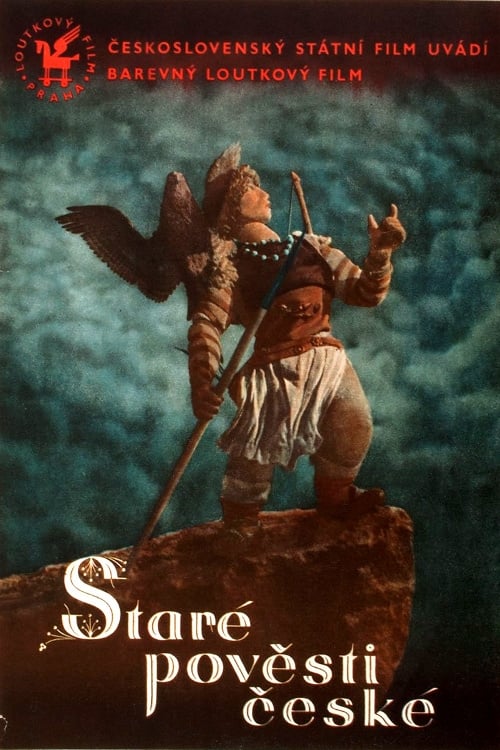
A monumental piece of art bringing the heroes of the ancient Czech myths back to life. The picture consists of seven parts: Cech the Forefather, Bivoj, Libuse, Premysl, Girls War, Horymir, Lucka War.
1980
1968
1947
1984
1968
1983
2011
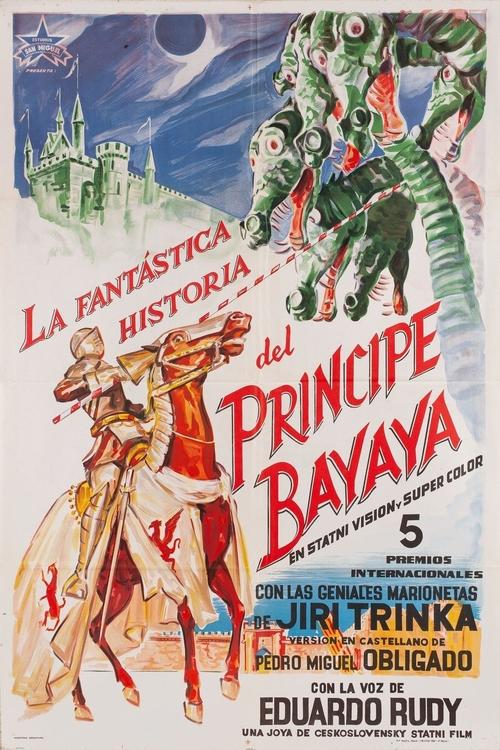
1951
No reviews yet. Be the first to share your thoughts on this movie!
Use the rating form above to leave a star rating and optional review.