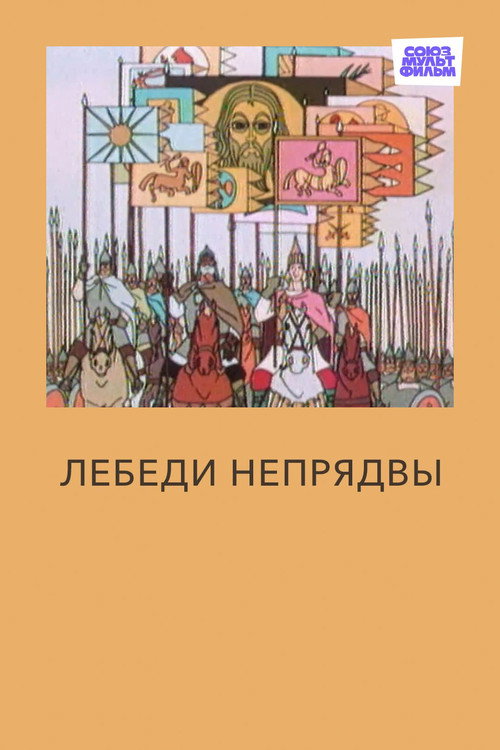
Swans of Nepriadva
1980
No user ratings available yet
Representation score: 1.9 out of 10
Representation Score
Limited
1968
Director
Yuri Norstein, Arkadiy Tyurin
Runtime
8 minutes
Average Rating
No ratings yetNew Showbiz Analysis
This animated short is a commemorative piece created within the context of the Soviet era. It prioritizes the narrative of class struggle and systemic revolution over individualized identity politics. The film scores highly in its cultural critique of Western structures but falls short in areas involving modern multi-layered frameworks such as LGBTQ+ or neurodivergent representation. Ultimately, the work is a reflection of its specific political moment, focusing on historical accuracy and socialist ideals rather than contemporary social diversity.
Category Breakdown
The film does not include any LGBTQ+ characters or stories that explore non-straight identities. Instead, it focuses on the collective movements of the past, emphasizing historical revolutions rather than individual queer experiences.
The representation follows traditional gender roles of the time. The story highlights workers and soldiers, possibly overlooking the unique roles women played in the revolutionary movement.
The visuals center on the Slavic working class during the Russian Revolution. There is no indication of diverse ethnic groups being represented beyond the specific historical context.
The film stands out in its critique of capitalist and monarchical systems. It emphasizes secular, socialist ideals and collective struggle over individual or religious morality.
The film does not focus on characters with physical or neurological disabilities. Instead, it serves as a historical montage rather than a detailed character study.
Present on Screen
Limited or Absent
Official Synopsis
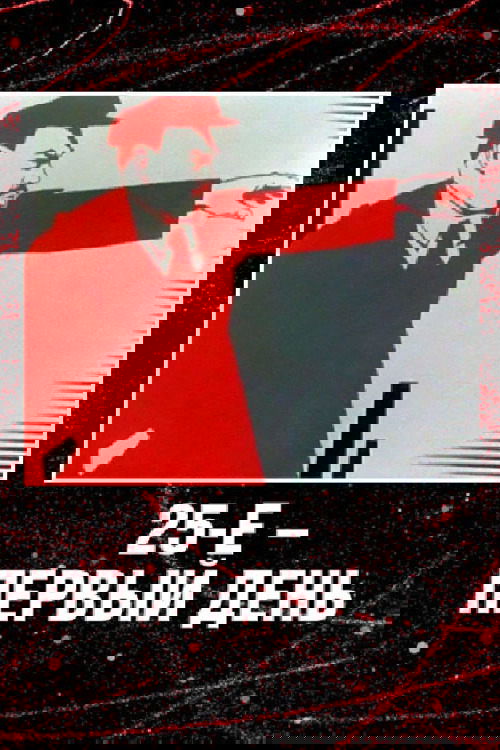
A short film made by Yuri Norstein for the 60th anniversary of the October Revolution, The 25th - the First Day recounts that day using art from the revolutionary period.
1980
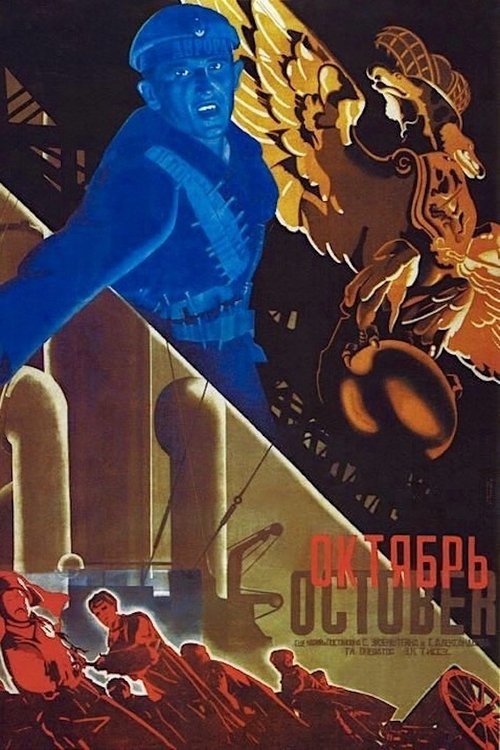
1928
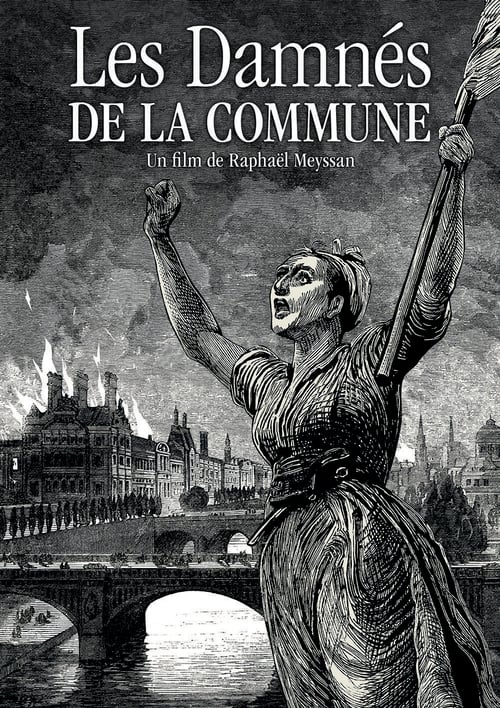
2021

1977
1953

1991

1925
1937
No reviews yet. Be the first to share your thoughts on this movie!
Use the rating form above to leave a star rating and optional review.