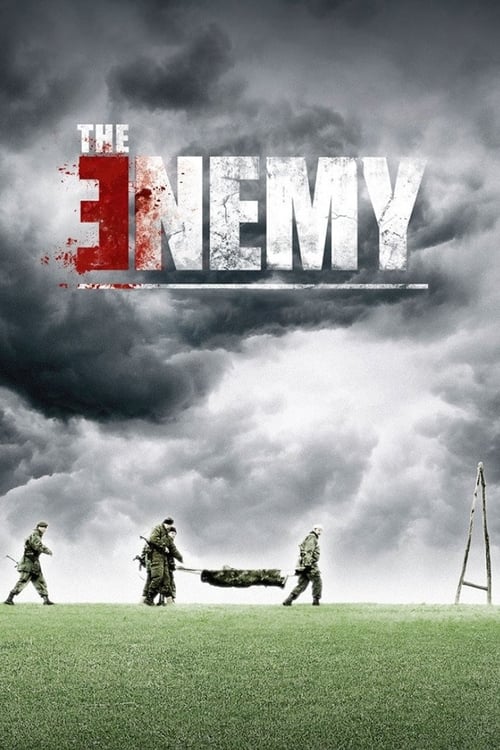
The Enemy
2011
No user ratings available yet
Representation score: 2.1 out of 10
Representation Score
Limited
2007
Director
Kristijan Milić
Runtime
87 minutes
Average Rating
No ratings yetNew Showbiz Analysis
The film functions as a dual-timeline genre piece that prioritizes historical trauma and metaphysical phenomena over social representation. The narrative structure is built around the cyclical nature of warfare, specifically focusing on the conflicts of 1943 and 1993. Because the setting is a masculine-coded combat environment, the film lacks significant diversity in gender and LGBTQ+ representation. The focus remains on the soldiers and the supernatural occurrences they encounter during their missions. While the film engages with the complex ethnic and political identities of the Balkan region, it does so through a lens of historical conflict rather than a broad exploration of intersecting identities.
Category Breakdown
The film focuses on military conflict and supernatural events. It does not include any non-binary gender or LGBTQ+ identities or narratives that question the assumption that everyone is straight or cisgender.
The story centers on male-dominated military units across two timelines. Characters occupy traditional masculine roles within combat hierarchies without challenging gender norms.
The narrative explores ethnic and political friction within the Yugoslav wars. However, it lacks broader racial diversity or non-human metaphors to address identity.
The film deconstructs historical narratives by juxtaposing two eras of conflict. It remains rooted in specific regional identities and nationalistic military history.
There is no mention of characters navigating physical or neurodivergent disabilities. No evidence suggests disability is used as a plot device.
Present on Screen
Limited or Absent
Official Synopsis
In 1943, group of Croatian soldiers overtake a strategically important point in western Bosnia with a goal to destroy a group of communist partisans. On the way they met some supernatural phenomena, and the action itself went very badly because the partisans ambushed them. The main character Martin inherits silver cigarette case from a dying soldier. This act connects to the story in 1993 when we meet Martins grandson Tomo. He is one of six soldiers of the Croatian army who have come to the same place in Bosnia to meet the same phenomena and similar fate.
2011
1996
2012
2001
2020
1998
2012
2004
No reviews yet. Be the first to share your thoughts on this movie!
Use the rating form above to leave a star rating and optional review.