
The Blacks
2009
No user ratings available yet
Representation score: 4.5 out of 10
Representation Score
Limited
2011
Director
Dejan Zečević
Runtime
108 minutes
Average Rating
No ratings yetNew Showbiz Analysis
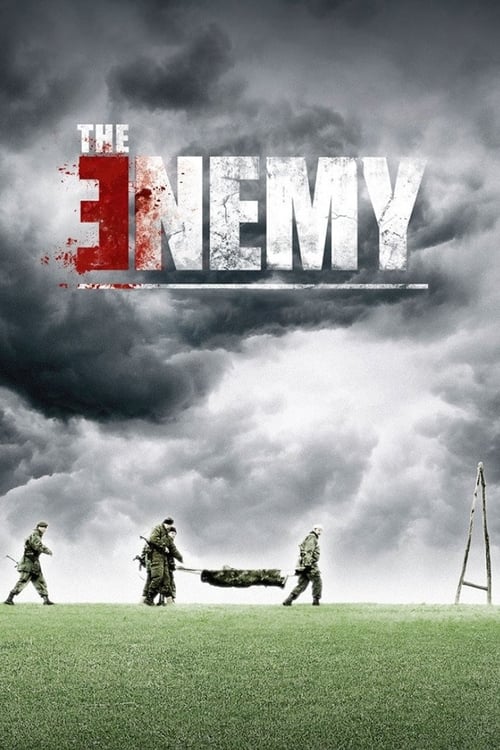
The Enemy is a genre-driven psychological thriller that prioritizes atmospheric tension and systemic paranoia over demographic representation. It functions as a localized study of a specific cultural moment in Serbia, focusing on the breakdown of social cohesion following war. While the film offers a sophisticated critique of institutional corruption and the manipulation of truth, it lacks the intentionality required to advance progressive identity-based narratives. The focus remains on masculine-coded conflict and survival. Ultimately, the work leans toward a skeptical view of traditional societal structures rather than exploring varied identities.
Category Breakdown
The film focuses on a male-dominated ensemble in a high-tension, post-war setting. There is no visibility for LGBTQ+ identities or queer narratives.
The cast is predominantly male, adhering to traditional genre clichés. Female professionals such as a journalist and a doctor appear but fit conventional archetypes.
Set in a post-war Serbian context, the cast is largely homogeneous. The film reflects localized historical reality rather than utilizing diverse ethnic blending.
The narrative critiques institutional stability and media manipulation. It explores how centralized power and systemic corruption can erode truth and individual control.
There is no discernible focus on physical disability, neurodivergence, or chronic illness. Characters are defined by their roles in the central mystery.
Present on Screen
Limited or Absent
Official Synopsis
The story begins a couple days after the war has ended. A group of Serbian soldiers in charge of clearing the fields from mines discovers a man sealed inside a factory's basement. A mysterious man says he is 'ours', he doesn't feel cold, isn't hungry and only asks for cigarettes. As soon as he is brought along, people start disappearing, and the infighting begins. Who is the mystery man?
2009
1996

2015
2009
2007

2012
2001
2009
No reviews yet. Be the first to share your thoughts on this movie!
Use the rating form above to leave a star rating and optional review.