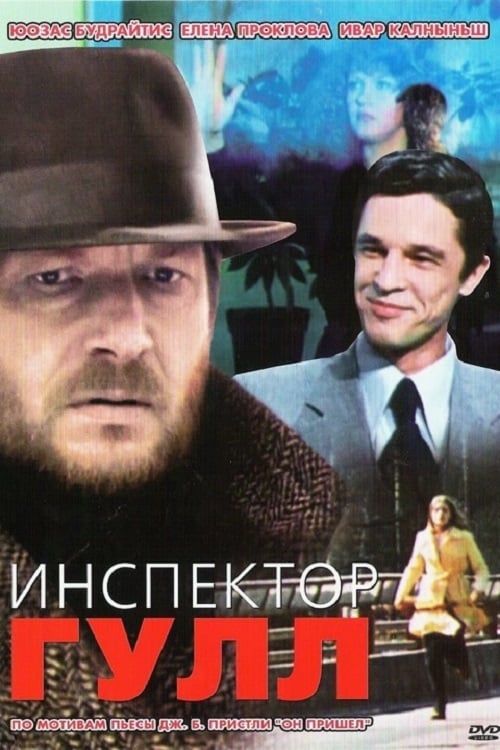
Inspector Goole
1979
No user ratings available yet
Representation score: 4.7 out of 10
Representation Score
Limited
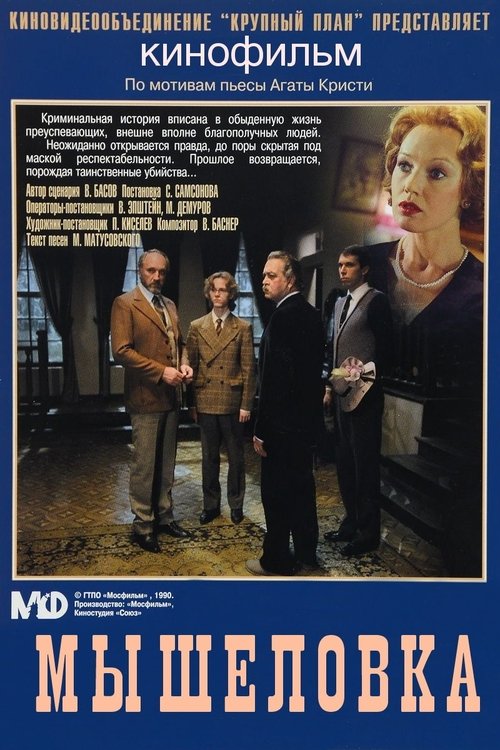
1990
Director
Samson Samsonov
Runtime
86 minutes
Average Rating
No ratings yetNew Showbiz Analysis
Mousetrap functions primarily as a genre-driven mystery-drama. It focuses on the tension between perceived prosperity and hidden criminal histories, using the 'hidden past' motif to deconstruct social respectability. The film prioritizes traditional crime clichés over intentional characters who reflect more than one aspect of diversity. While it challenges the stability of social facades, it does so through individual moral failings rather than systemic identity-based empowerment. Ultimately, the work appears to be a conventional exploration of corruption within a specific social class, lacking a documented framework for diverse or inclusive storytelling.
Category Breakdown
The film does not include any references to non-straight relationships or same-sex intimacy. There is no critique of the assumption that everyone is straight or cisgender.
The story follows a traditional crime drama structure focused on social power dynamics. It does not challenge gender hierarchies or portray masculinity in a humorous way.
The production likely reflects the demographic homogeneity typical of its 1990 Eastern European context. There is no evidence of diverse casting or characters from different racial backgrounds.
The narrative disrupts social stability by framing prosperity as a corrupt guise. It offers a moderate critique of social institutions and the veneer of respectability.
There is no indication of neurodivergent characters or individuals with physical disabilities. The synopsis provides no information regarding disability representation.
Present on Screen
Limited or Absent
Official Synopsis
The criminal history is inscribed in the everyday life of prosperous, apparently quite prosperous people. Suddenly, the truth is revealed, hidden for the time being under the guise of respectability. The past is returning, creating mysterious murders ...
1979

2000
1992
2010
1987
2006
1921

2015
No reviews yet. Be the first to share your thoughts on this movie!
Use the rating form above to leave a star rating and optional review.