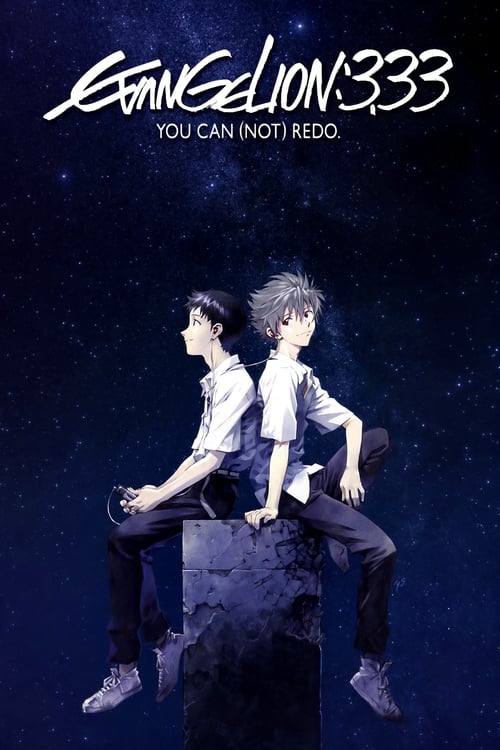
Evangelion: 3.0 You Can (Not) Redo
2012
No user ratings available yet
Representation score: 7.7 out of 10

Representation Score
Good
2021
NRDirector
Katsuichi Nakayama, Kazuya Tsurumaki, Mahiro Maeda, Hideaki Anno
Runtime
155 minutes
Average Rating
No ratings yetNew Showbiz Analysis
Evangelion: 3.0+1.0 Thrice Upon a Time is a postmodern deconstruction that prioritizes thematic subversion over traditional demographic representation. It excels at challenging systemic structures and the 'heroic' archetype, offering a sophisticated critique of authority and escapism. While the film lacks explicit LGBTQ+ and multi-ethnic visibility, it shines in its nuanced treatment of mental health and women's ability to drive the story. The narrative emphasizes psychological landscapes, granting characters autonomy over their internal reconstruction. Ultimately, the work achieves progressive value through its moral relativism and its refusal to adhere to standard genre clichés, focusing instead on the maturation of its protagonists.
Category Breakdown
The film does not include obvious LGBTQ+ characters or same-sex relationships. It focuses on deep psychological connections but does not explore non-traditional gender identities.
Female characters like Mari and Asuka play key roles in driving the plot and play a significant role in driving the story. The story challenges traditional protector roles and disrupts male-dominated command structures.
The cast and setting are primarily Japanese, reflecting the film's cultural roots. It avoids Western-centric casting but does not emphasize multi-ethnic diversity.
The story criticizes organized authority and traditional institutions as harmful. It encourages moving away from escapism towards the complexities of reality.
The film centers on mental health issues and psychological trauma rather than physical disabilities. Characters deal with depression and isolation with significant depth and ability to act.
Present on Screen
Limited or Absent
Official Synopsis
In the aftermath of the Fourth Impact, stranded without their Evangelions, Shinji, Asuka and Rei find refuge in one of the rare pockets of humanity that still exist on the ruined planet Earth. There, each lives a life far different from their days as an Evangelion pilot. However, the danger to the world is far from over. A new impact is looming on the horizon—one that will prove to be the true end of Evangelion.
2012

1997
1997

2025

2023
2007
2009

2014
No reviews yet. Be the first to share your thoughts on this movie!
Use the rating form above to leave a star rating and optional review.