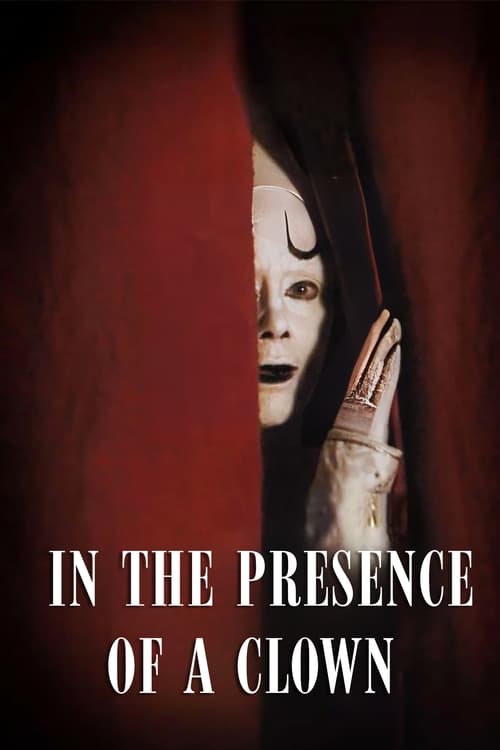
In the Presence of a Clown
1998
No user ratings available yet
Representation score: 7.1 out of 10
Representation Score
Fair
1995
RDirector
Ingmar Bergman
Runtime
60 minutes
Average Rating
No ratings yetNew Showbiz Analysis
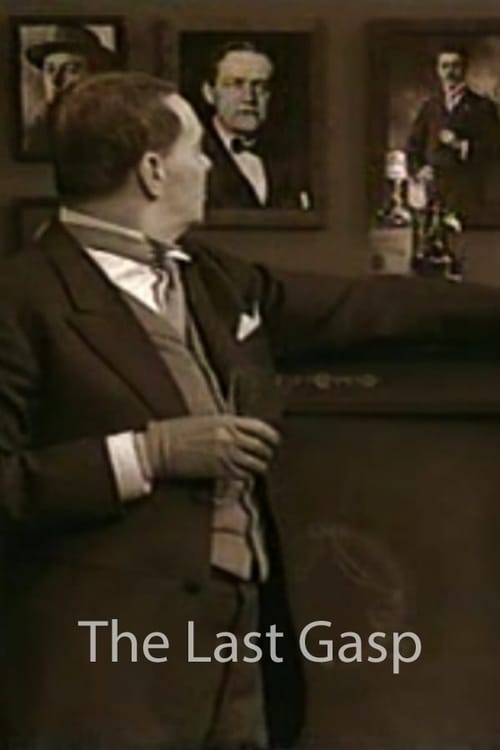
The Last Gasp is a character-driven drama that emphasizes psychological and systemic complexity over broad demographic representation. It centers on the conflict between a underrepresented director and a dominant producer, exploring themes of obsolescence and institutional control. While the film effectively deconstructs power structures and subjective morality, it lacks clear multi-layered identity markers. Its narrative architecture is firmly grounded in a specific, localized Swedish cultural context, limiting its racial and ethnic diversity. Ultimately, the work serves as a sophisticated examination of the human condition and professional ability to act, rather than a showcase for diverse representation.
Category Breakdown
The film examines complex interpersonal relationships and emotional connections. Although specific LGBTQ+ identities are not confirmed, the story hints at the possibility of nuanced intimate relationships.
The main conflict revolves around a power struggle between two men. Female characters often serve as catalysts for psychological tension, challenging the male protagonists.
Set within the Swedish film industry, the demographic is relatively homogeneous. The narrative seems focused on a traditional, localized cultural environment.
The story strongly critiques institutional power and established hierarchies. By focusing on systemic forces and professional legitimacy, it deconstructs traditional success narratives.
There is no mention of characters dealing with physical, sensory, or neurodivergent conditions in this drama.
Present on Screen
Limited or Absent
Official Synopsis
Set in the offices of the Swedish film industry, this television drama stages a fictional encounter between Georg af Klercker, a marginalized silent-film director, and Charles Magnusson, the producer who once controlled his fate. Through their conversation, memories of early Scandinavian cinema and unresolved professional grievances resurface as af Klercker seeks the possibility of returning to filmmaking.
1998
1989
2000
1980
1960
2018

1988
1976
No reviews yet. Be the first to share your thoughts on this movie!
Use the rating form above to leave a star rating and optional review.