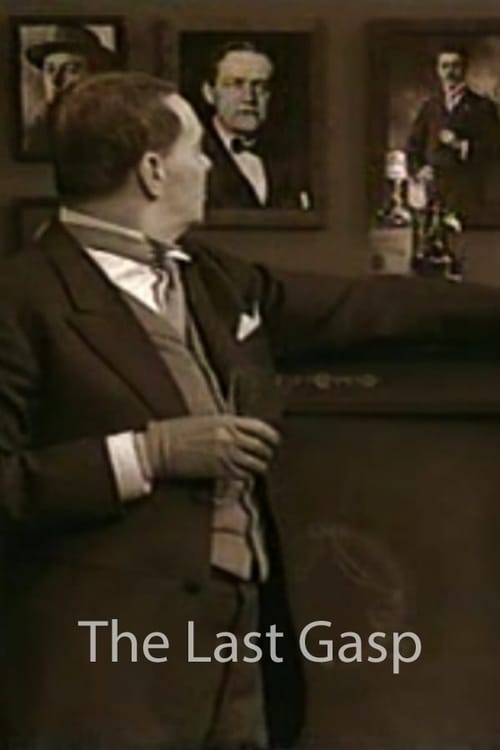
The Last Gasp
1995
No user ratings available yet
Representation score: 5.1 out of 10
Representation Score
Fair
2000
Director
Ingmar Bergman
Runtime
99 minutes
Average Rating
No ratings yetNew Showbiz Analysis
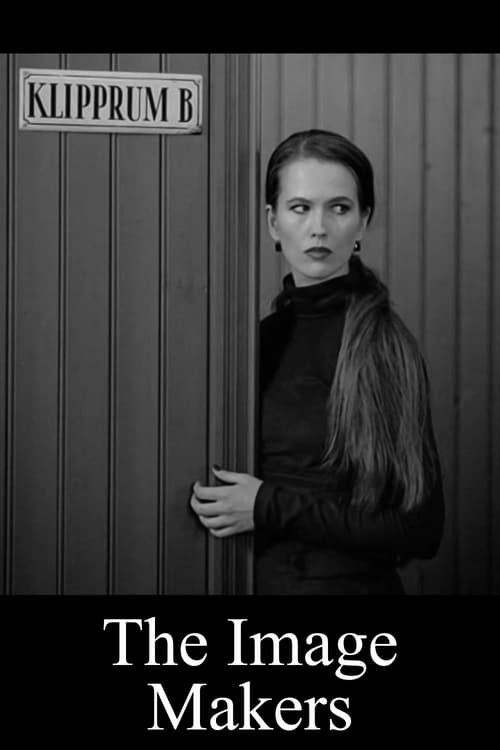
The film serves as a sophisticated character study that challenges traditional gender hierarchies. By centering a female intellectual authority figure, it provides a nuanced look at professional ability to act during the silent film era. However, the work is limited by its historical setting. The cast remains largely homogeneous, reflecting the specific Swedish cultural context of 1920 without broader racial or ethnic representation. While the film lacks explicit LGBTQ+ content, its focus on psychological realism and the deconstruction of authority suggests a deep, if not overtly diverse, exploration of human complexity.
Category Breakdown
The film does not explicitly depict LGBTQ+ identities or relationships. It focuses on professional and generational tensions within the 1920s silent film era.
The story disrupts traditional gender hierarchies by placing Nobel Prize-winning author Selma Lagerlöf in a position of intellectual authority. It explores the psychological weight and ability to act of women in high-stakes artistic roles.
Set within the Swedish film industry in 1920, the cast appears homogeneous. The film reflects the social constraints of its era without active efforts toward racial or ethnic diversification.
The narrative engages with themes of subjective morality and critiques the sanctity of traditional authorship. It moves away from idealized moralities toward a complex, situational understanding of human experience.
There is no information regarding the portrayal of physical or neurodivergent disabilities in this work.
Present on Screen
Limited or Absent
Official Synopsis
Set in 1920, The Image Makers depicts a private screening at Svensk Filmindustri, where silent-era director Victor Sjöström presents scenes from his adaptation of Selma Lagerlöf’s The Phantom Carriage. As the Nobel Prize–winning author watches alongside cinematographer Julius Jaenzon and young actress Tora Teje, tensions emerge between generations, genders, and artistic roles, exposing the emotional costs behind creation.
1995
1951
1998
1980
1957

2021
2007

1998
No reviews yet. Be the first to share your thoughts on this movie!
Use the rating form above to leave a star rating and optional review.