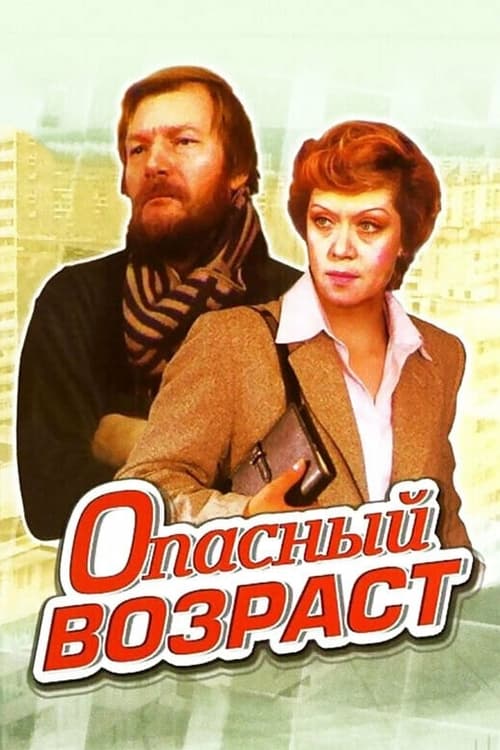
A Dangerous Age
1981
No user ratings available yet
Representation score: 4.0 out of 10

Representation Score
Limited
2013
Director
Levan Koguashvili
Runtime
95 minutes
Average Rating
No ratings yetNew Showbiz Analysis
Blind Dates is a character-driven tragicomedy that explores the fringes of social respectability. By focusing on a lonely teacher and a woman connected to the criminal justice system, the film avoids typical romantic clichés in favor of emotional realism. The narrative dismantles traditional social hierarchies and domestic archetypes, replacing them with a focus on the profound emotional responsibilities found in unconventional human connections. However, the film's demographic breadth is hard to assess due to a lack of specific details on ethnic casting or disability representation.
Category Breakdown
The story centers around a heterosexual relationship and does not include any LGBTQ+ identities or themes.
The film challenges traditional gender roles by focusing on a woman associated with a convict. It also shifts the male protagonist from a provider role to one of emotional vulnerability.
Set in Georgia, the film reflects the local culture but provides no information about the racial makeup of the cast.
The story emphasizes personal emotional truth over institutional rules, shifting focus from strict social morality to a nuanced view of those outside societal norms.
There is no mention of neurodivergence, physical disabilities, or mental health conditions in the provided information.
Present on Screen
Limited or Absent
Official Synopsis
A lonely 40-year-old schoolteacher takes up with the wife of a soon-to-be-released convict. A compassionate tragicomedy commenting on relationships and the profound emotional responsibilities they trigger.
1981
1980

2013
2024
2008
2013
2011
2005
No reviews yet. Be the first to share your thoughts on this movie!
Use the rating form above to leave a star rating and optional review.