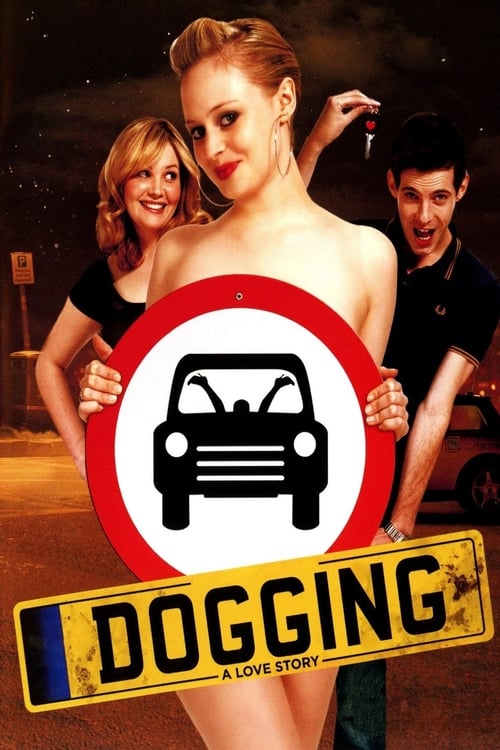
Dogging: A Love Story
2009
No user ratings available yet
Diversity score: 3.8 out of 10
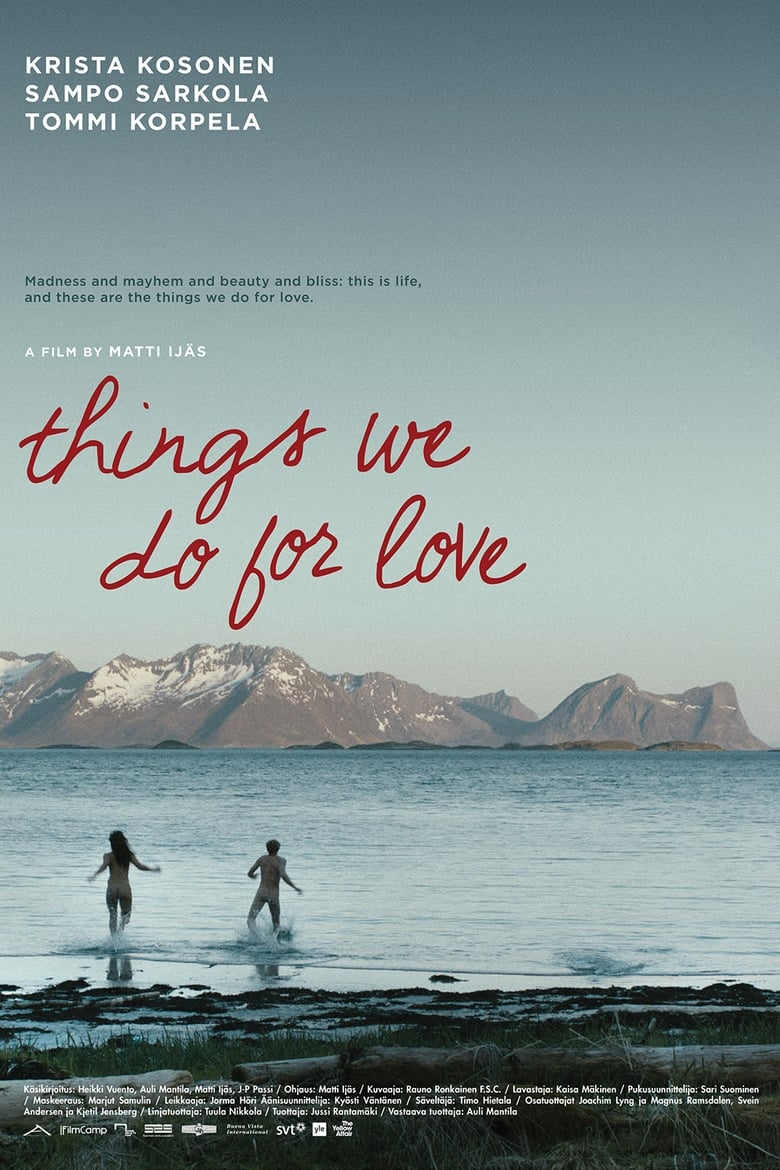
2013
Director
Matti Ijäs
Runtime
96 minutes
Average Rating
No ratings yetSynopsis
Vaarala, a reserved romantic photographer, has an odd artistic vision of loneliness: he takes serial photos of an empty park bench in remote spaces of nature. When he meets and falls in love with the spirited, unruly Ansa, his ‘bench’ is suddenly filled. But in order to be with her he has to not only overcome his own frailties, but also the impending danger of Ansa’s volatile ex-con ex, and then Ansa herself, a woman prone to impulsiveness and impetuousness.
Overall Score
Limited
Category Breakdown
LGBTQ+ Representation
The story centers on a heteronormative romance between Vaarala and Ansa. No non-cisnormative identities or critiques of heteronormativity are present in the narrative.
Gender Representation
Ansa subverts traditional hierarchies by acting as a spirited, unruly catalyst for change. Her impulsiveness shifts emotional agency away from the male lead, challenging the stable protector trope.
Racial & Ethnic Diversity
The film appears to focus on a localized, homogeneous Finnish setting. There is no evidence of a multi-ethnic cast or diverse demographic representation.
Religious & Cultural Diversity
The narrative explores subjective morality through characters with complex personal histories. It avoids binary archetypes but lacks a clear anti-institutional or specific cultural stance.
Disability Representation
Vaarala's internal frailties drive his character arc. It remains unclear if these struggles are physical, mental, or neurodivergent in nature.
Strengths
Areas for Improvement
AI Analysis
Things We Do for Love is a character-driven romantic drama that prioritizes interpersonal friction over systemic representation. The film's strength lies in its subversion of gendered behavioral expectations, particularly through Ansa's volatile and impulsive personality. This provides a refreshing departure from the trope of the stabilizing female lead. However, the film lacks demographic breadth. The narrative remains rooted in a traditional, homogeneous social setting with a focus on a heteronormative pairing. This limits the film's engagement with broader identity-based themes. Ultimately, while the film offers psychological depth regarding individual temperament and personal frailty, it does not provide significant structural diversity or representation of marginalized groups.
2009

2010

2000

2014

2013

2016

2016
2004

2003
2003
No reviews yet. Be the first to share your thoughts on this movie!
Use the rating form above to leave a star rating and optional review.