
Only Human
2004
No user ratings available yet
Representation score: 3.3 out of 10
Representation Score
Fair
1997
Director
Sandra Werneck
Runtime
91 minutes
Average Rating
No ratings yetNew Showbiz Analysis
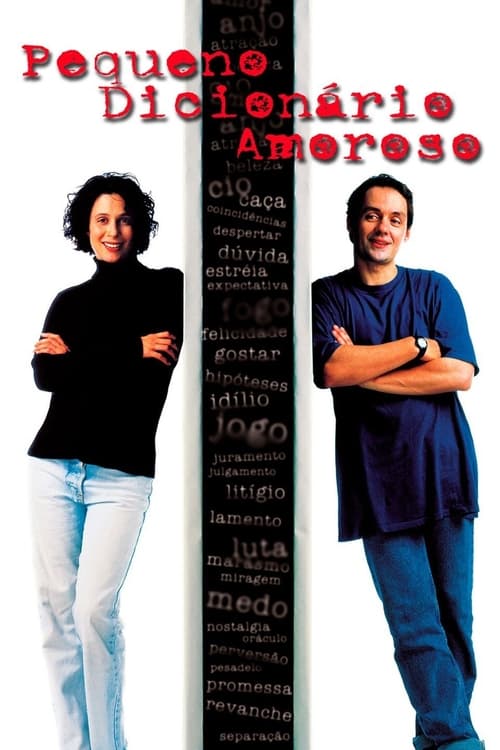
Little Book of Love explores modern intimacy through a character-driven, pragmatic lens. It avoids typical romantic clichés by focusing on professional women and the complexities of post-romantic life. The film highlights female characters with intellectual depth and ability to act, moving away from traditional domestic roles. However, it remains within a conventional framework, lacking specific details on racial casting or disability representation.
Category Breakdown
The story follows a traditional romance between a female architect and a male biologist, with no clear representation of LGBTQ+ identities or non-cisgender narratives.
Luiza demonstrates strong ability to act as she deals with her emotional recovery, while Marta challenges domestic stereotypes by working in the technical field of mathematics.
As a Brazilian production, the film offers a non-Anglo-Saxon perspective. However, there is no detailed information about the racial makeup of the cast.
The film presents a secular view of human connections, avoiding idealized romance by focusing on the skepticism and realism in modern relationships.
There is no information about the portrayal of physical or neurodivergent disabilities in the film.
Present on Screen
Limited or Absent
Official Synopsis
Luiza is an architect who just got out of a ruinous relationship. Gabriel is a biologist and he has finished a long marriage with divorce. When they both meet, chances that they can do well together are not that big. But they will try to, even if their friends Barata (a convict bachelor totally skeptical when it comes to love) and Marta (a mathematic analyst who wishes that human relations were just as exact as numbers are) think otherwise.
2004

2004

1978

1971
2002

2010

2019

1998
No reviews yet. Be the first to share your thoughts on this movie!
Use the rating form above to leave a star rating and optional review.