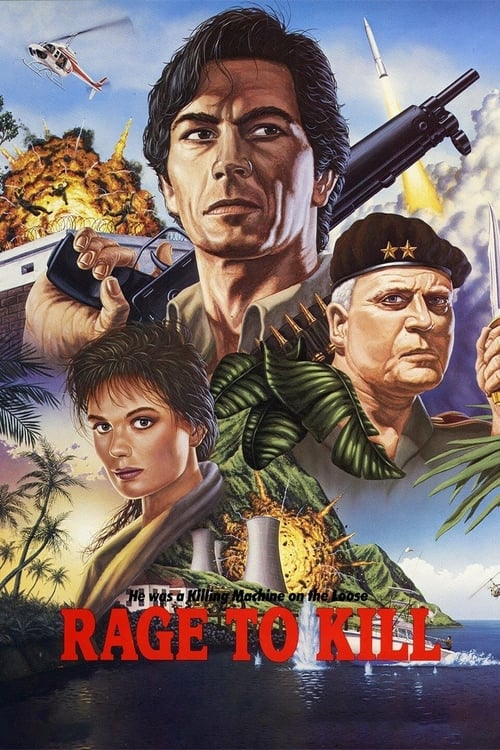
Rage to Kill
1988
No user ratings available yet
Diversity score: 2.6 out of 10
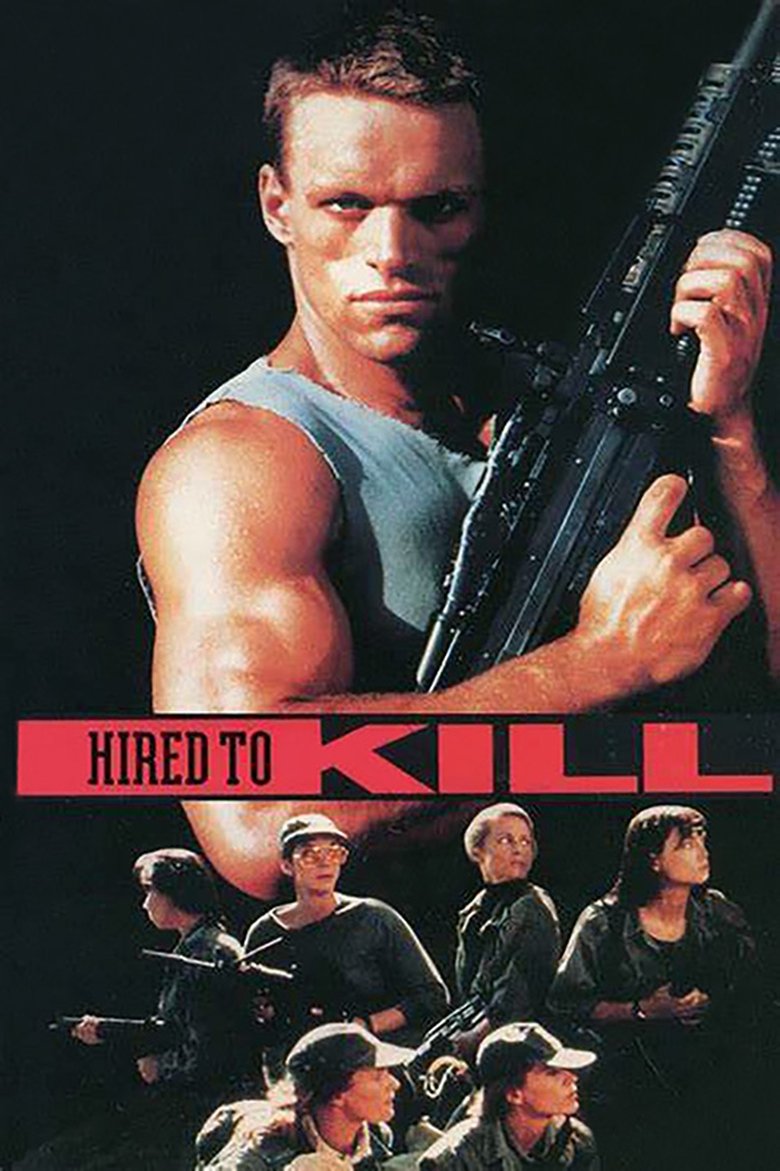
1990
RDirector
Nico Mastorakis, Peter Rader
Runtime
96 minutes
Average Rating
No ratings yetSynopsis
A fashion photographer and seven models travel to a South American island fortress, ostensibly to do a fashion shoot. In reality, the photographer is a mercenary and their job is to free an imprisoned rebel leader
Overall Score
Limited
Category Breakdown
LGBTQ+ Representation
The film lacks LGBTQ+ characters or non-heteronormative identities. It adheres to the conventional heteronormative structures typical of early 1990s action cinema.
Gender Representation
Narrative focus rests on the male protector archetype, centering masculine combat proficiency. Female characters often serve as vulnerable subjects or catalysts for the male protagonist rather than independent agents.
Racial & Ethnic Diversity
A multicultural cast blends Western actors with Southeast Asian performers to reflect the setting. However, power dynamics remain centered on the Western protagonist, offering limited agency to characters of color.
Religious & Cultural Diversity
The story uses political volatility and local insurgency as a backdrop for individualistic heroism. It avoids systemic critiques, focusing instead on the professionalized violence of the mercenary.
Disability Representation
There is no evidence of characters with visible or invisible disabilities. The cast consists of able-bodied archetypes suited to the physical demands of the genre.
Strengths
Areas for Improvement
AI Analysis
Hired to Kill is a product of its era, prioritizing standard action-thriller tropes over sociopolitical depth. While the film utilizes a multicultural cast to establish its international setting, these choices feel functional rather than subversive. The narrative structure reinforces traditional hierarchies, particularly regarding gender and Western-centric agency. The film relies heavily on the male hero archetype, leaving female characters with little autonomy. While the setting provides visual diversity through its cast, the underlying power dynamics remain firmly rooted in Western perspectives, failing to challenge the status quo of 1990s commercial cinema.
1988

2006
1985
1993
1986

1996
1992
1977
1996
1988
1992
1998
No reviews yet. Be the first to share your thoughts on this movie!
Use the rating form above to leave a star rating and optional review.