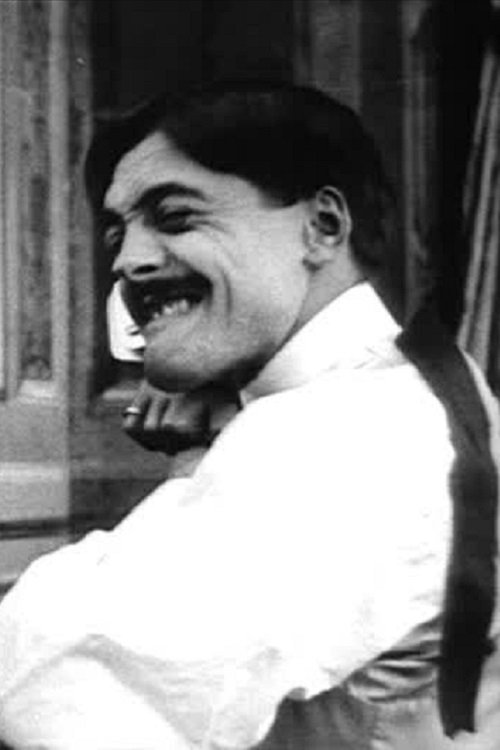
Max Sets the Style
1914
No user ratings available yet
Representation score: 1.8 out of 10
Representation Score
Minimal
1912
Director
Max Linder, René Leprince
Runtime
9 minutes
Average Rating
No ratings yetNew Showbiz Analysis
Max Linder's comedy operates within the conventional social structures of the early 20th century. The film prioritizes slapstick humor and the deconstruction of class-based decorum over exploring diverse identities. The narrative is heavily centered on a male protagonist's struggle to maintain his dignity amidst physical mishaps. This focus limits the scope of gender ability to act and leaves female characters as implied background figures. Ultimately, the work reflects the homogeneous social compositions typical of early European short comedies. It operates as a period-specific piece that reinforces, rather than disrupts, the traditional social frameworks of 1912.
Category Breakdown
The film focuses on a traditional wedding preparation sequence. There is no indication of non-traditional gender identities or critiques of the assumption that everyone is straight.
The story centers around a male protagonist dealing with everyday mishaps. While a bride is mentioned, the main focus is on the male character's struggles with material objects.
The narrative describes a localized, period-specific scenario. There is no evidence of a diverse or non-Anglo-Saxon majority cast within the provided context.
The plot adheres to traditional Western social milestones like marriage. It focuses on maintaining social appearances rather than providing institutional critiques.
There is no evidence of characters with visible or invisible disabilities being portrayed with significant roles or as central to the narrative arc.
Present on Screen
Limited or Absent
Official Synopsis
Max, awakening on his wedding morning, discovers that it is close on the hour when he should be at the church. He dresses hastily, and in struggling with a refractory collar, allows his boots to be burnt by the fire. There is no time to change them, and he hastens off to the bride's house. On the way his soles part company with their uppers, and poor Max enters into negotiations with a passing labourer for the purchase of his footgear.
1914
1913
1914
1914
1912
1908
1912
1900
No reviews yet. Be the first to share your thoughts on this movie!
Use the rating form above to leave a star rating and optional review.