The Making of 'The Iron Giant'
1999
No user ratings available yet
Representation score: 0.9 out of 10
Representation Score
Good
2021
Director
Aki Kubota
Runtime
100 minutes
Average Rating
No ratings yetNew Showbiz Analysis
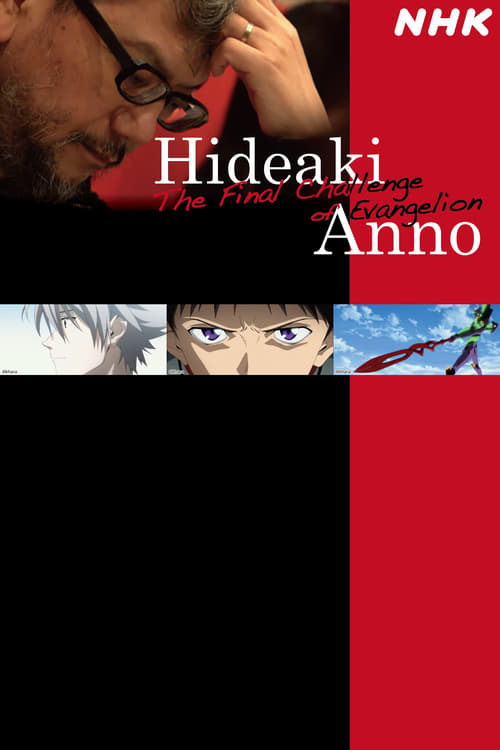
This documentary serves as a specialized character study of an auteur. It functions primarily as a meta-narrative on the creative process rather than a vehicle for multi-layered identity politics. The film succeeds in centering a non-Western creator and providing a perspective outside of Hollywood hegemony. However, the narrative architecture remains heavily focused on a singular male figure within a traditional industry structure. While it does not explicitly address diverse identities, its honest depiction of psychological struggle provides a nuanced look at the mental toll of high-stakes artistry.
Category Breakdown
The documentary focuses on the technical and psychological labor of a single creator. It does not include explicit LGBTQ+ character arcs or narratives that code queerness.
The film centers on the male-dominated sphere of high-level animation production. It prioritizes the auteur model of Hideaki Anno rather than highlighting women's roles or challenging gender hierarchies.
This NHK production maintains a culturally homogeneous lens reflecting the Japanese animation industry. It provides a vital perspective that exists outside of Hollywood-centric storytelling.
The film captures the tension between a creator and massive commercial expectations. It prioritizes personal truth and psychological complexity over sanitized depictions of professional success.
By documenting the grueling creative process, the film touches on mental health and the psychological toll of high-pressure labor. It avoids sanitizing the artist's internal struggles.
Present on Screen
Limited or Absent
Official Synopsis
EVANGELION is coming to an end. NHK spent 4 years with exclusive access to director Hideaki Anno, documenting the creative process behind the final EVANGELION: 3.0+1.0 THRICE UPON A TIME. For the first time, the camera is allowed inside Anno's studio. The documentary attempts to capture why master filmmaker Hayao Miyazaki (STUDIO GHIBLI) describes him as one who sheds blood for his films.
1999
2013
2010
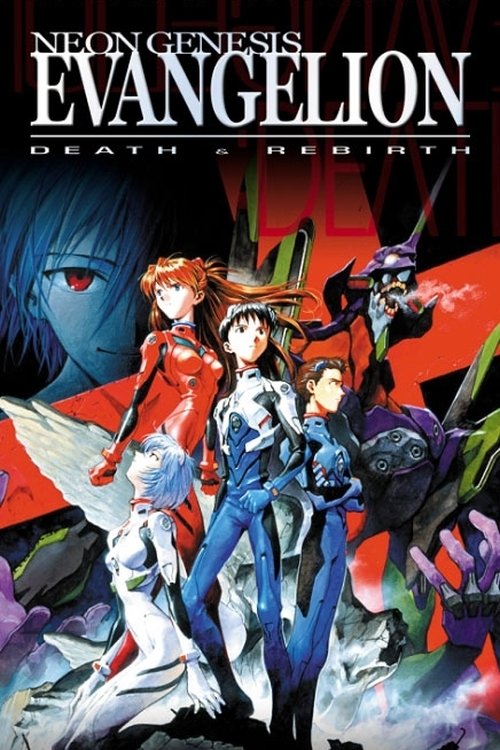
1997
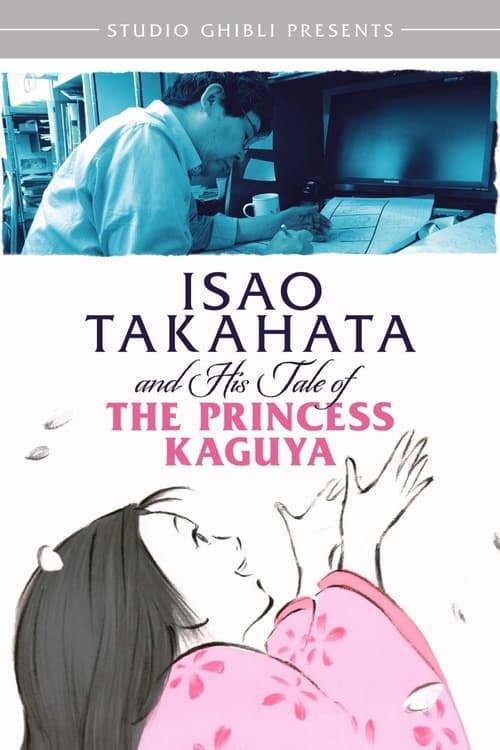
2014
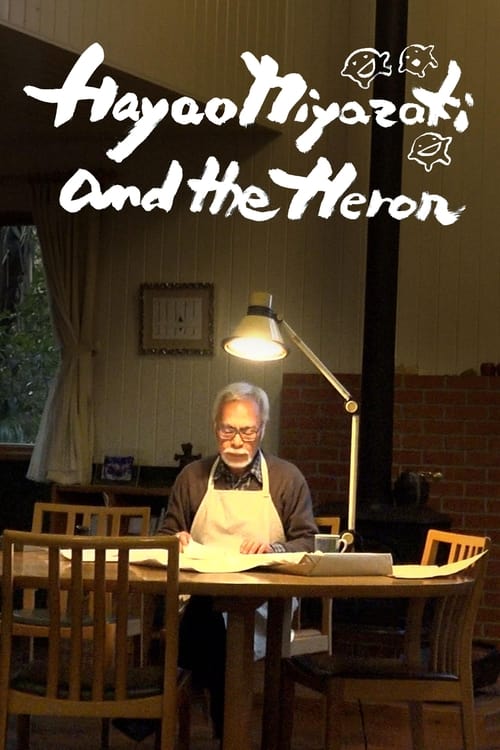
2024
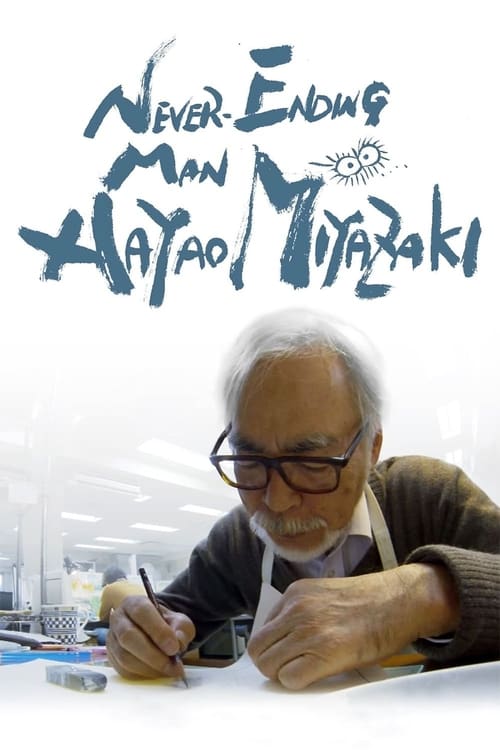
2017

2001
No reviews yet. Be the first to share your thoughts on this movie!
Use the rating form above to leave a star rating and optional review.