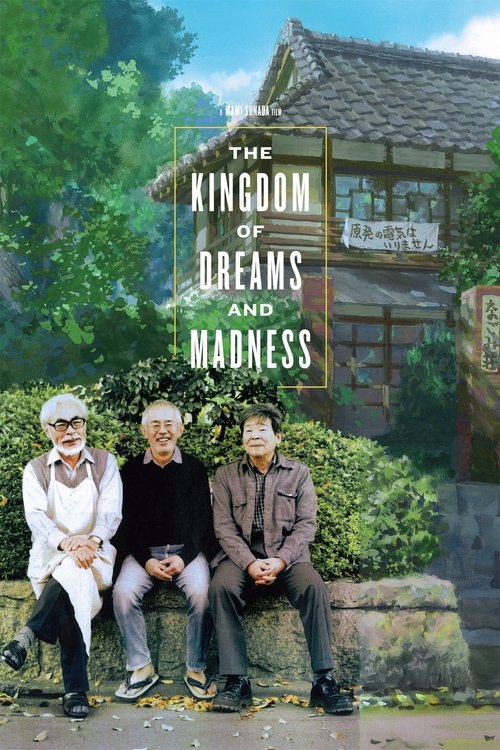
The Kingdom of Dreams and Madness
2013
No user ratings available yet
Representation score: 4.1 out of 10
Representation Score
Fair
2014
Director
Akira Miki, Hidekazu Sato
Runtime
86 minutes
Average Rating
No ratings yetNew Showbiz Analysis
This documentary serves as a behind-the-scenes look at the making of Studio Ghibli's Seventh Studio. It focuses on the technical and philosophical aspects of animation rather than character-driven social narratives. The film captures the intentional challenge to traditional hierarchies through the production process, highlighting the tension between traditional craftsmanship and modern industrial demands. Overall, the work emphasizes the preservation of cultural specificity rather than a broad exploration of diverse identities.
Category Breakdown
The documentary focuses on the technical and logistical realities of animation production. It doesn't include any LGBTQ+ characters or stories about non-straight relationships.
The film looks at the creative team's efforts to depict a female protagonist fighting against the societal structures of the Heian period. It shows how the animation industry deals with gender roles and power dynamics.
The cast and creative team are ethnically uniform, reflecting the Japanese production and folklore. It keeps a strong cultural focus and preserves non-Western storytelling traditions.
The film emphasizes the importance of personal experience over commercial standards. It presents a nuanced view of spirituality, impermanence, and the balance between earthly and heavenly realms.
The documentary does not discuss visible or invisible disabilities. It doesn’t use characters with disabilities as part of the plot.
Present on Screen
Limited or Absent
Official Synopsis
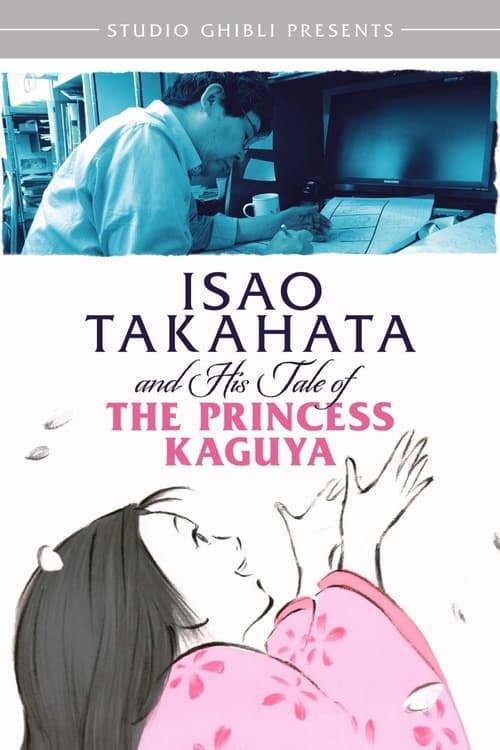
For his first film in fourteen years, animation director Isao Takahata embarked on a visually sumptuous adaptation of The Tale of the Bamboo-Cutter. A dream project for the director that would hopefully establish the recently formed Ghibli Studio 7, created to meet the demands of a new type of modern animation process. But, almost immediately, the epic production is faced with difficulties and falls dramatically behind schedule. In this compelling and insightful documentary, we follow Isao Takahata and his dedicated team of artists as they frantically strive against adversity to make their vision a reality and bring Studio Ghibli into a new era.
2013

2009
2024

2015
2017
2007

2021

2011
No reviews yet. Be the first to share your thoughts on this movie!
Use the rating form above to leave a star rating and optional review.