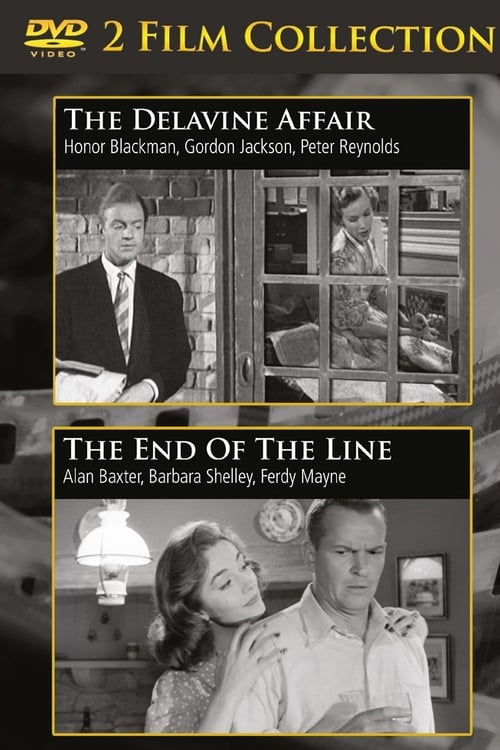
The Delavine Affair
1955
No user ratings available yet
Representation score: 1.8 out of 10
Representation Score
Minimal
1955
Director
R.G. Springsteen
Runtime
75 minutes
Average Rating
No ratings yetNew Showbiz Analysis
Track the Man Down is a standard mid-century crime drama that reinforces the social hierarchies of its era. The narrative structure prioritizes traditional Western values and the rule of law through a conventional protagonist-driven lens. The film lacks complexity in reflecting multiple aspects of identity, functioning instead as a product of the 1955 studio system. It relies on established genre clichés that favor homogeneous casting and traditional gender roles. Ultimately, the work reflects the systemic constraints of its time, offering a narrow view of social identity and moral frameworks.
Category Breakdown
The film adheres to the assumptions of the 1950s, where everyone is presumed to be straight and cisgender. There is no indication of queer subtext or non-cisgender identities.
Female characters likely serve as secondary domestic anchors or romantic motivators. The film does not appear to challenge patriarchal structures or offer significant roles for women in driving the story.
The production reflects the homogeneous casting practices of the mid-century studio system. It likely follows an Anglo-centric storytelling model without diverse, high-profile roles.
The story focuses on traditional Western institutions of justice and civic order. It operates within a framework of singular morality and social stability.
There is no verifiable evidence of characters with visible or invisible disabilities in the film's documentation.
Present on Screen
Limited or Absent
Official Synopsis
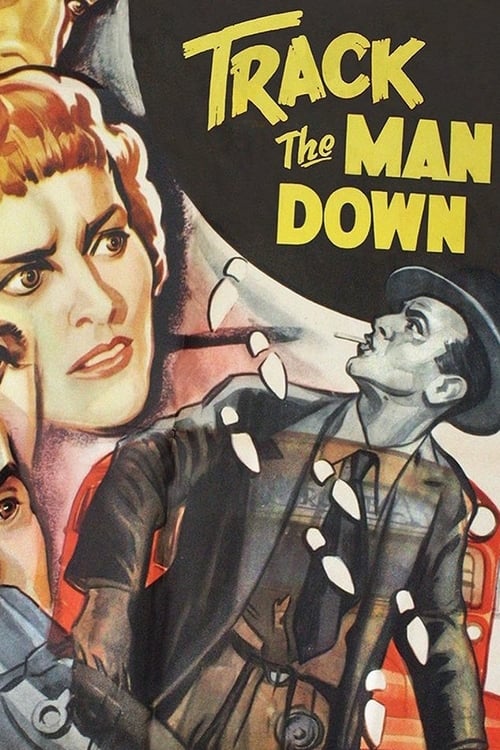
A newspaper reporter finds himself drawn into the aftermath of a racetrack robbery.
1955
1949
1954
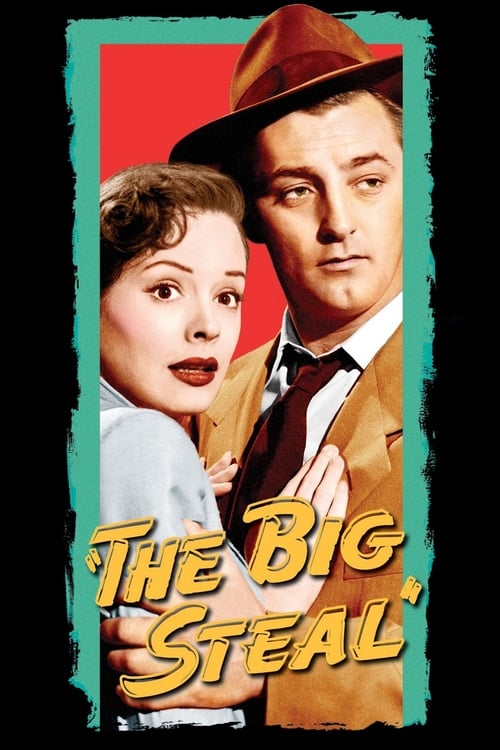
1949
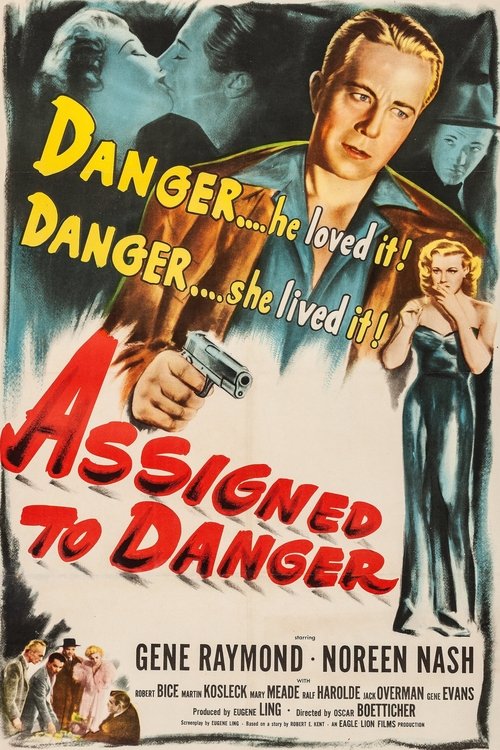
1948
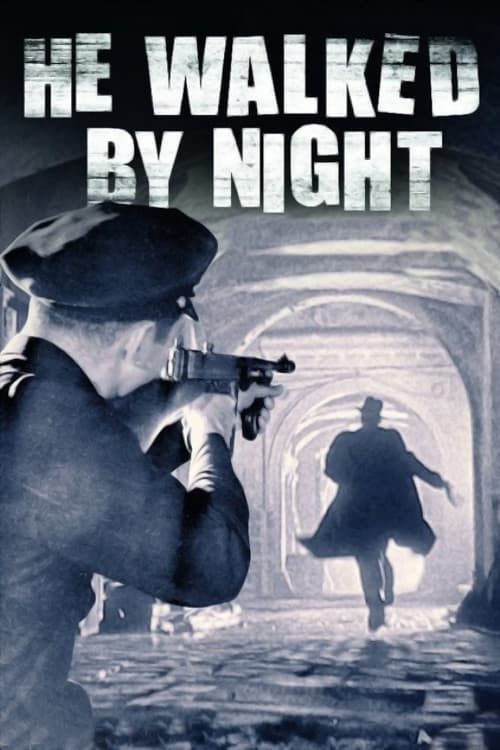
1949
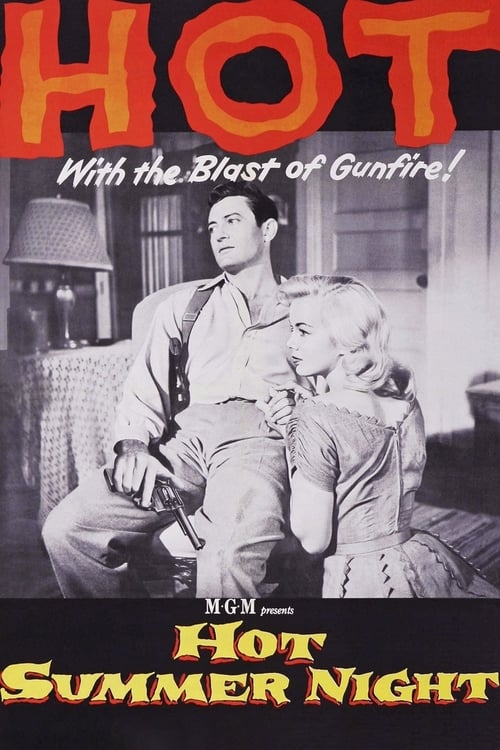
1957
1972
No reviews yet. Be the first to share your thoughts on this movie!
Use the rating form above to leave a star rating and optional review.