Rosa Rosae. A Spanish Civil War Elegy
2021
No user ratings available yet
Representation score: 7.9 out of 10
Representation Score
Excellent
2012
Director
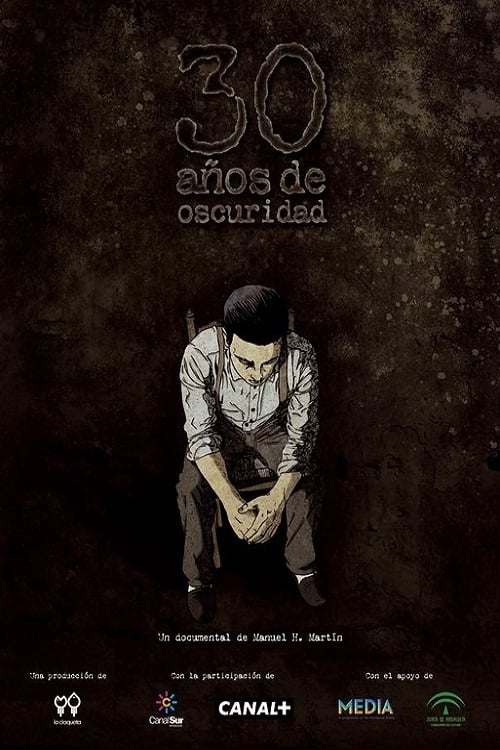
Manuel H. Martín
Runtime
85 minutes
Average Rating
No ratings yetNew Showbiz Analysis
Manuel H. Martín’s documentary-animation hybrid offers a deep critique of systemic state repression. By focusing on the 'post-war moles,' the film shifts attention from battlefield heroics to the domestic and psychological impact of living under an oppressive regime. The narrative employs the 'small hole in the wall' as a potent symbol for the claustrophobic nature of political survival. This approach upends traditional power hierarchies by emphasizing the voices of those silenced by systemic violence. While grounded in a specific historical and ethnic context, the film's exploration of trauma and the subversion of state authority provides a nuanced view of human resilience.
Category Breakdown
The film centers on the survival of a heterosexual couple, Manuel and Juliana. There is no explicit depiction of LGBTQ+ themes or identities within the story.
Juliana is shown as a key figure in navigating post-war dangers. Her active role in ensuring her family's survival challenges the passive female stereotype.
The film features individuals reflecting the ethnic and national context of the Spanish Civil War. It highlights underrepresented political identities within this specific historical period.
The movie critiques centralized power structures and portrays state institutions as oppressive. Survival through concealment is framed as a necessary response to an unjust and corrupt social order.
The work examines the psychological and sensory trauma resulting from prolonged isolation. It studies the neuro-psychological limitations imposed on individuals' actions and decisions.
Present on Screen
Limited or Absent
Official Synopsis
When the Spanish Civil War came to an end, Manuel Cortes was unable to flee the country. After a long journey, he managed to get back home in the dark without being discovered. His wife, Juliana, told him how the winning forces were shooting many of their fellow citizens. Manuel and Juliana decided to dig a small hole in the wall for Manuel to hide in. He could not even begin to imagine that this small hideaway was to become his private jail for the following 30 years. This is the story of the so-called post-war moles, people who had to put their lives on hold in order to escape from the repression imposed by the victors of the civil war.
2021
2019
2002
2011
2015
2014
2018
2021
No reviews yet. Be the first to share your thoughts on this movie!
Use the rating form above to leave a star rating and optional review.