30 Years of Darkness
2012
No user ratings available yet
Representation score: 8.7 out of 10
Representation Score
Good
2021
Director
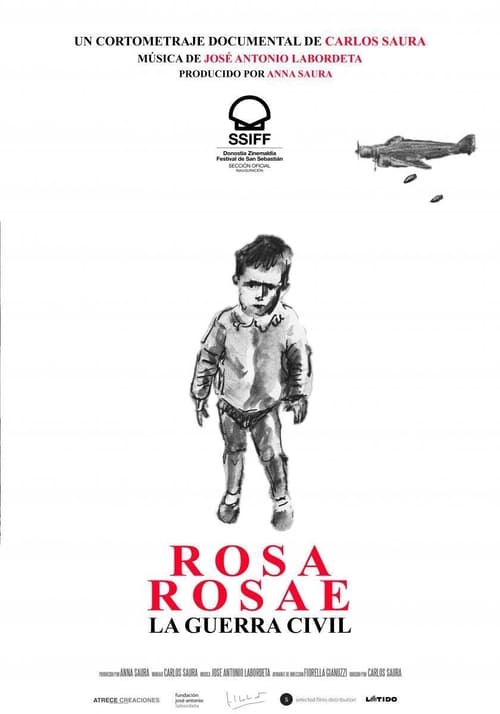
Carlos Saura
Runtime
6 minutes
Average Rating
No ratings yetNew Showbiz Analysis
Carlos Saura’s documentary animation deconstructs the Spanish Civil War by shifting the focus from grand military narratives to the subjective, sensory experiences of a child. This approach highlights the visceral human impact of systemic collapse rather than institutional movements. The film successfully explores historical memory from a humanistic perspective, avoiding simplistic hero-villain binaries. By blending animation and photography, it offers a nuanced study of how conflict disrupts social orders. However, the specific historical setting and experimental nature of the film result in a limited portrayal of racial and ethnic diversity. The broad aesthetic sometimes obscures specific character identities and explicit social representations.
Category Breakdown
While the film does not explicitly center LGBTQ+ stories, the fragmented depiction of wartime family life challenges traditional assumptions about heterosexual relationships. The destabilization of the traditional family structure hints at a broader questioning of societal norms.
The film avoids traditional male clichés by focusing on a child's perspective and the domestic disruptions of wartime. Abstract imagery emphasizes vulnerability and emotional turmoil over physical strength or combat.
The film's setting limits the racial diversity, but it frames the tragedy as a universal human condition rather than a localized event. This approach aims to transcend specific cultural contexts.
By presenting the war through the lens of universal horror, the film critiques nationalistic fervor and ideological righteousness. It highlights the emotional truth of victims over political ideologies.
Though the film does not center specific characters with disabilities, the child's sensory and psychological trauma serves as a metaphor for neurodivergent experiences of environmental instability. This approach highlights the broader impact of conflict on individuals.
Present on Screen
Limited or Absent
Official Synopsis
Saura creates and recovers more than thirty images, drawings and photographs that he prints, manipulates, plays with and subsequently films, to produce a story which, while recreating the Spanish Civil War, could also reflect the horrors of universal conflict, seen through the eyes of a child and his surroundings.
2012
2018
2011
2021
2018
2016
2019
2008
No reviews yet. Be the first to share your thoughts on this movie!
Use the rating form above to leave a star rating and optional review.