
Lesser Prophets
1997
No user ratings available yet
Representation score: 5.0 out of 10

Representation Score
Good
1995
RDirector
Debbie Allen
Runtime
105 minutes
Average Rating
No ratings yetNew Showbiz Analysis
Out-of-Sync is a character-driven crime drama that avoids simple hero-versus-villain archetypes. By focusing on an ex-convict navigating a systemic conflict, the film explores the precarious position of underrepresented individuals facing institutional pressure. Debbie Allen's creative leadership suggests a nuanced approach to identity. The film likely prioritizes the complex social and racial realities of its protagonist over simplified moral clichés. While the film excels in racial and cultural depth, it lacks specific information regarding LGBTQ+ or disability representation.
Category Breakdown
The film does not provide specific details about LGBTQ+ identities, maintaining a neutral stance on sexual orientation and gender identity. However, the genre allows for diverse representations.
The story focuses on a male protagonist dealing with a dangerous criminal situation. Debbie Allen's direction likely challenges traditional masculine stereotypes by delving into the protagonist's psychological vulnerabilities.
The narrative highlights the experiences of Black or minority characters within the justice system. Characters of color play significant roles, moving beyond background roles to address systemic issues.
The film critiques institutional power by placing the protagonist between criminal and state hierarchies. It frames survival as a necessity rather than simple legality using moral relativism.
There is no evidence available to determine if characters with physical or neurodivergent disabilities are present in the film.
Present on Screen
Limited or Absent
Official Synopsis
A DJ and ex-con is forced to work with the police in an undercover drug sting targeting his boss.
1997

1991

1997
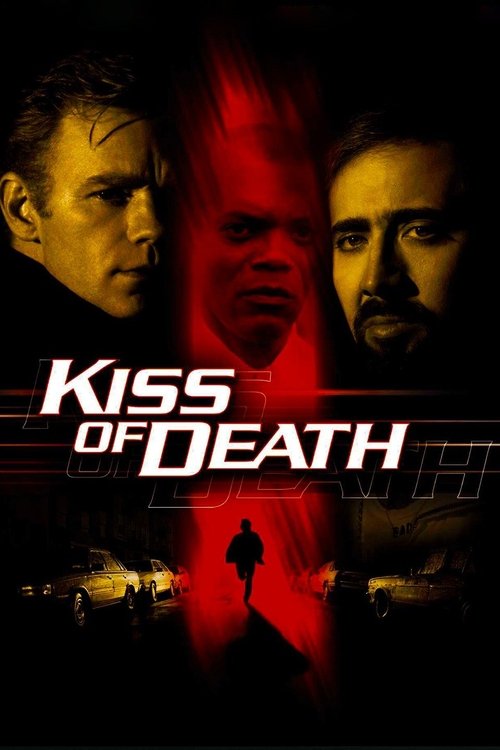
1995

2003
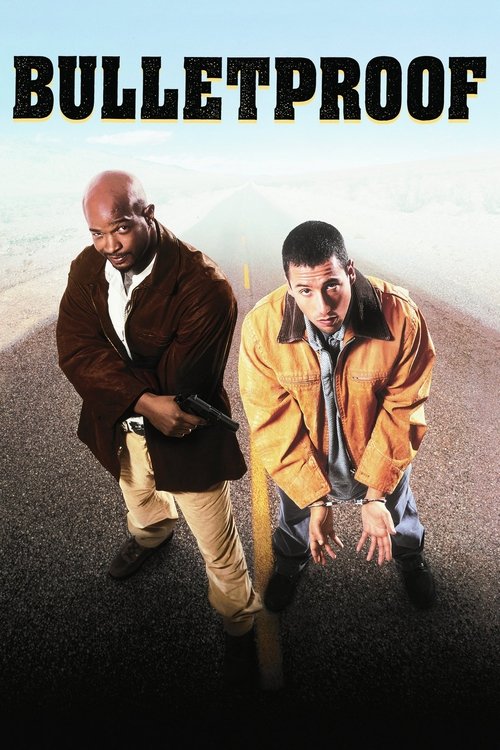
1996
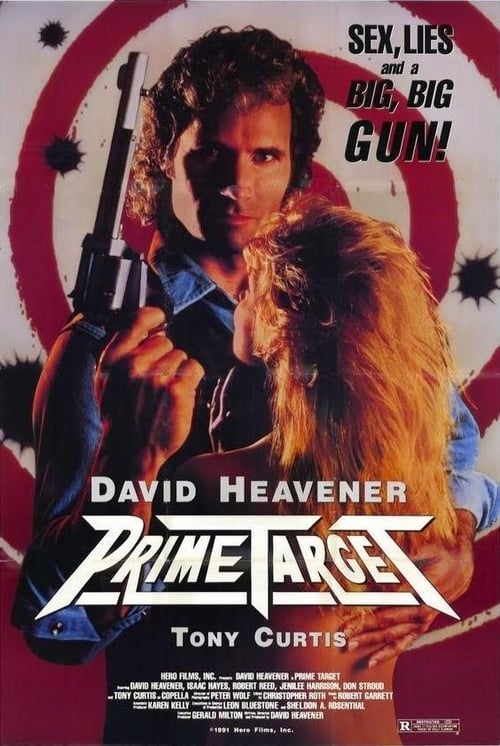
1991
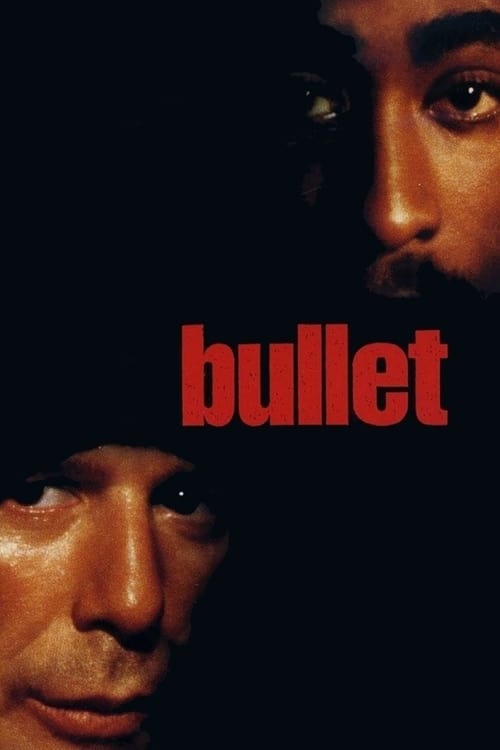
1996
No reviews yet. Be the first to share your thoughts on this movie!
Use the rating form above to leave a star rating and optional review.