
Η Αμαρτία Της Ομορφιάς
1972
No user ratings available yet
Representation score: 2.1 out of 10
Representation Score
Limited
1966
Director
Giannis Dalianidis
Runtime
84 minutes
Average Rating
No ratings yetNew Showbiz Analysis
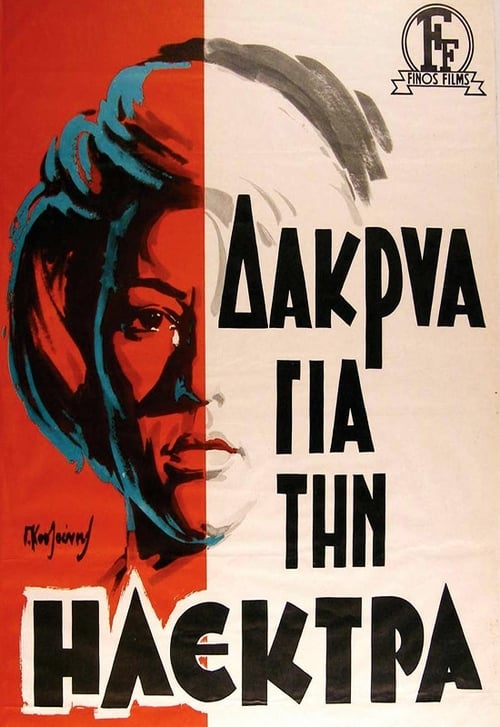
Tears for Electra is a classic 1960s melodrama that prioritizes domestic tragedy and heightened emotionalism. The story centers on the internal conflicts of a wealthy family, using themes of deception and murder to drive the plot. The film adheres to the social and gendered expectations of its era, relying on traditional narrative structures rather than challenging social hierarchies or systemic norms. Ultimately, the production reinforces conventional social institutions, functioning as a period-specific drama focused on familial conflict.
Category Breakdown
The film focuses on heterosexual relationships and family tragedies. There is no representation of LGBTQ+ identities or narratives that challenge the assumption that everyone is straight.
Female characters drive the emotional stakes through roles of motherhood and desperation. These portrayals align with traditional cinematic clichés of feminine suffering.
As a mid-century Greek production, the film likely features a homogeneous Mediterranean cast. The focus on a wealthy family suggests a lack of ethnic diversity.
The narrative operates within traditional melodrama, emphasizing the importance of family and social standing. It centers on established social institutions like weddings.
The film provides no mention of characters with visible or invisible disabilities.
Present on Screen
Limited or Absent
Official Synopsis
Intent on hurting herself, a beautiful but desperate daughter crashes her car on the day of her mother's wedding, unfolding a tragic tale of love, deception, and murder behind the closed doors of a wealthy family.
1972

1965
1990
1955
1971
1967
1963

1959
No reviews yet. Be the first to share your thoughts on this movie!
Use the rating form above to leave a star rating and optional review.