
Before Midnight
2013
No user ratings available yet
Representation score: 5.5 out of 10
Representation Score
Fair
2013
RDirector
Terrence Malick
Runtime
112 minutes
Average Rating
No ratings yetNew Showbiz Analysis
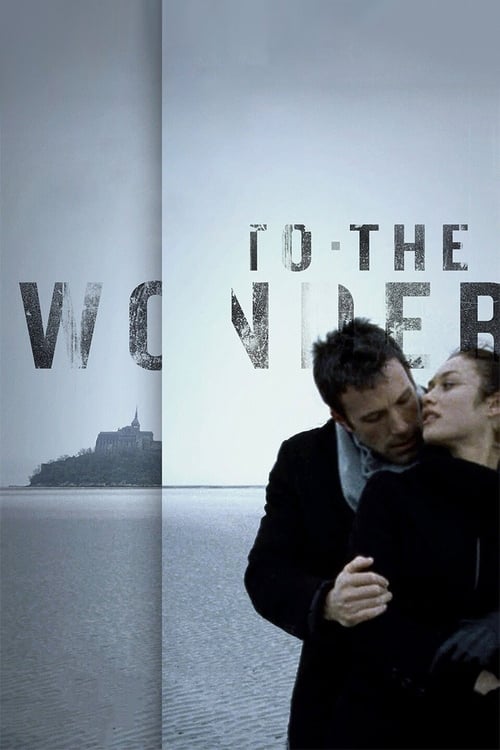
Terrence Malick’s film is a reflective exploration of individual experiences that prioritize sensory engagement over conventional storytelling. Although the main cast is demographically uniform, the film stands out for its intellectual independence. It dismantles established institutions, such as the sanctity of the nuclear family and organized religious doctrine. By focusing on emotional fragmentation and personal spirituality, it offers a more nuanced portrayal of human connection despite limited demographic diversity. Ultimately, the film’s diversity lies in its narrative structure rather than its broad range of characters.
Category Breakdown
The film centers around a heterosexual relationship and does not include any queer narratives or non-cisgender identities.
The narrative breaks down traditional gender roles by highlighting the internal strength of the female lead and the existential vulnerability of the male lead. The film challenges the idea of the stable provider.
While the main characters are from a similar demographic, the inclusion of a Spanish-born pastor adds cultural diversity to the community setting.
The film emphasizes personal spiritual experiences over institutional religion. It portrays truth as an internal journey rather than following external rules.
There are no prominent depictions of physical or neurodivergent disabilities that play a central role in the narrative.
Present on Screen
Limited or Absent
Official Synopsis
Neil is torn between two loves: Marina, the European woman who comes to the United States to be with him, and Jane, the old flame from his hometown he reconnects with. Neil’s doubts about his life and loves are reflected in the crisis of faith experienced by Father Quintana, who only sees pain and the loss of hope in the world.
2013
1995

2010
2009

2015
2012
2010

2007
No reviews yet. Be the first to share your thoughts on this movie!
Use the rating form above to leave a star rating and optional review.