Trio
1950
No user ratings available yet
Representation score: 2.0 out of 10
Representation Score
Fair
1969
GDirector
Frank Perry
Runtime
110 minutes
Average Rating
No ratings yetNew Showbiz Analysis
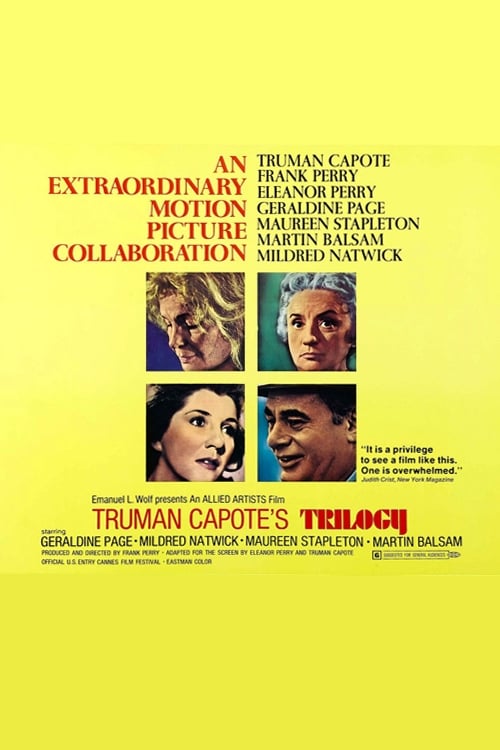
Trilogy is a sophisticated anthology that prioritizes psychological depth over external social conformity. By adapting Capote’s short stories, the film moves away from straightforward, moralistic storytelling in favor of complex character studies. The work challenges traditional narrative structures through its fragmented storytelling. While it explores nuanced emotional landscapes, it remains tied to the demographic realities and social constraints of the late 1960s. Ultimately, the film functions as an exploration of the human condition that often exists outside the bounds of traditional Western archetypes, even if its casting reflects the era's limitations.
Category Breakdown
The film uses Truman Capote’s writing to explore emotions that don't fit typical social norms. This literary style highlights themes of being an outsider in society.
Through stories like Miriam, the anthology focuses on internal psychological states. This approach challenges traditional gender roles related to domestic life and stability.
The film likely reflects the social constraints of 1969. Without evidence of a diverse cast, it appears to follow the demographic norms of late-1960s literary adaptations.
By focusing on individual memory and fragmented storytelling, the work disrupts singular traditional values. It favors an impressionistic and potentially secular approach to the human experience.
There is no information available to determine if characters with visible or invisible disabilities are present in these adaptations.
Present on Screen
Limited or Absent
Official Synopsis
Trilogy is an anthology film of three adaptations of Truman Capote short stories: Miriam, Among the Paths to Eden and A Christmas Memory. It was listed to compete at the 1968 Cannes Film Festival, but the festival was cancelled due to the events of May 1968 in France.
1950

1963
2002

1964
1983
1962
1959
1987
No reviews yet. Be the first to share your thoughts on this movie!
Use the rating form above to leave a star rating and optional review.