
Drain The Ocean: WWII
2016
No user ratings available yet
Representation score: 1.1 out of 10
No Poster Available
Representation Score
Minimal
2013
PGAverage Rating
No ratings yetNew Showbiz Analysis
This documentary functions as a technical reconstruction of a specific military event. It prioritizes archival footage, maritime history, and the strategic mechanics of mid-20th-century naval warfare over character-driven storytelling. Since the film lacks individual character arcs, it does not engage with diverse identities or subvert social hierarchies. The narrative is driven by the historical realities of 1940s naval combat, which inherently centers on masculine and Western military structures. Ultimately, the film serves as a chronological record of destruction and engineering rather than a study of human diversity.
Category Breakdown
The documentary does not include any LGBTQ+ characters or narratives. It focuses solely on military operations and naval combat within a historical context.
The film centers on a traditionally male-dominated military environment. It reinforces traditional gender hierarchies by emphasizing masculine leadership and combat roles.
The narrative prioritizes mechanical and strategic aspects over individual identities. It reflects a typical historical depiction of mid-century European naval forces.
The film operates within a traditional Western historical framework. It treats the naval engagement as a significant milestone of global conflict without deeper critique.
There is no focus on neurodivergence, physical disabilities, or mental health. The film prioritizes vessel mechanics over individual lived experiences.
Present on Screen
Limited or Absent
Official Synopsis
The voyage to find history's two greatest battleships. It was the greatest sea battle of World War Two. It ended in the destruction of the two finest warships the world has ever seen and claimed the lives of almost 3,500 men.
2016
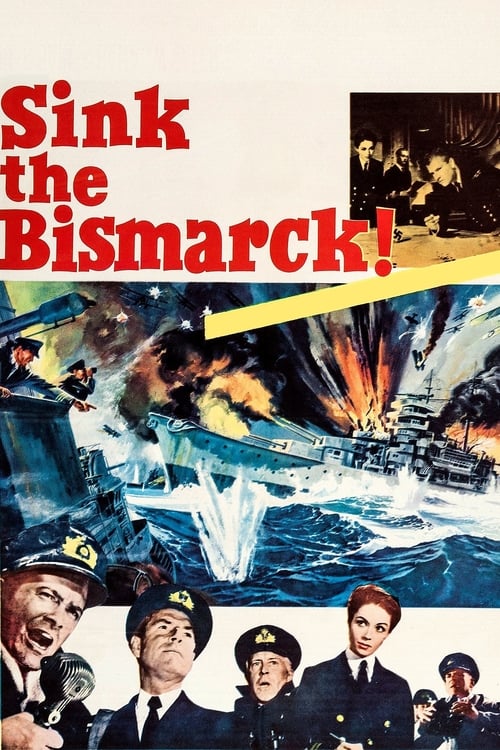
1960

2018
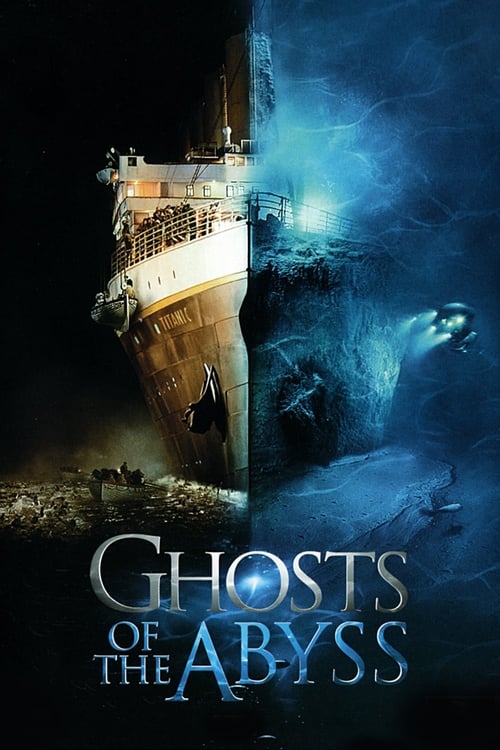
2003
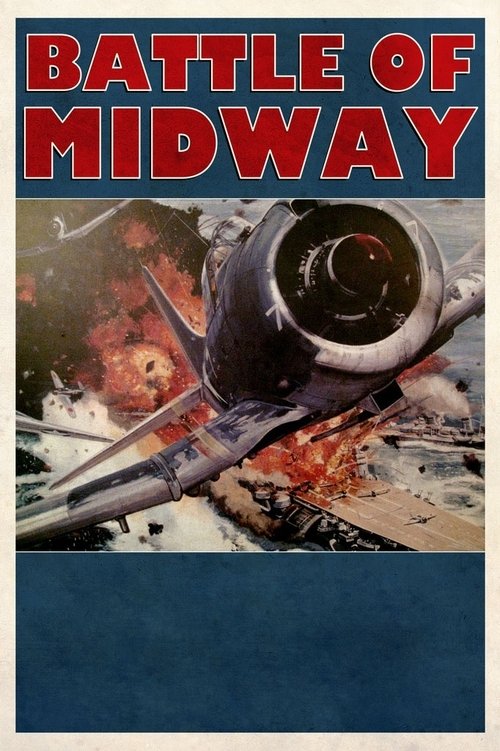
1942

2018
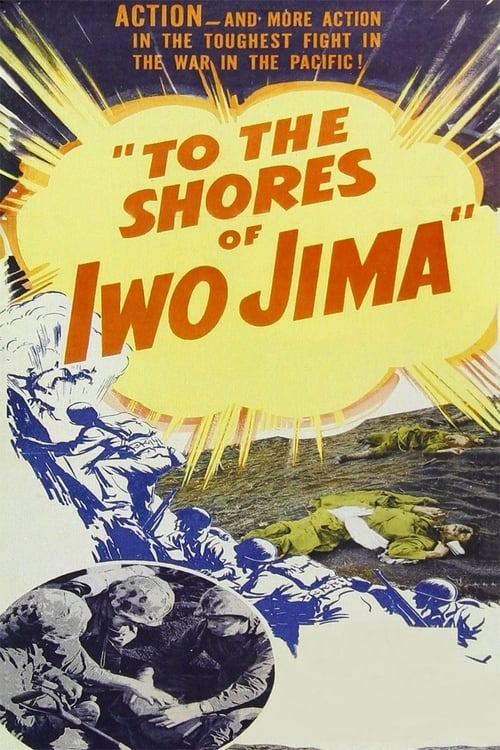
1945
2014
No reviews yet. Be the first to share your thoughts on this movie!
Use the rating form above to leave a star rating and optional review.