
D-Day 6.6.1944
2004
No user ratings available yet
Diversity score: 3.4 out of 10
2011
Director
Richard Dale
Runtime
90 minutes
Average Rating
No ratings yetSynopsis
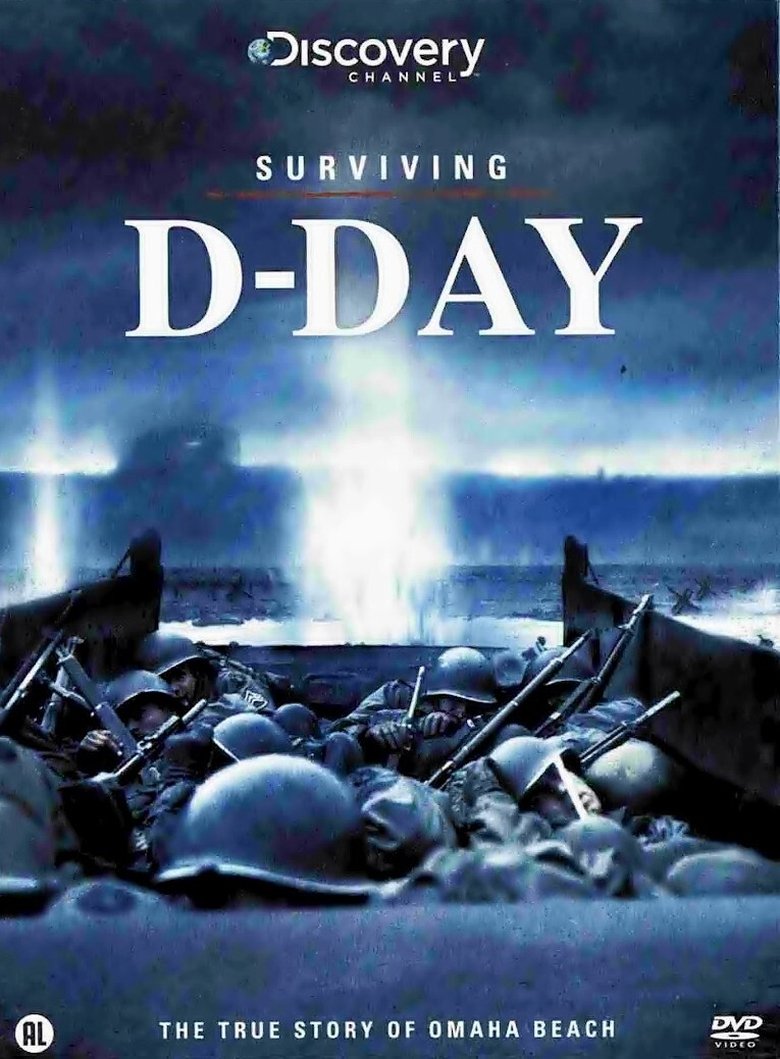
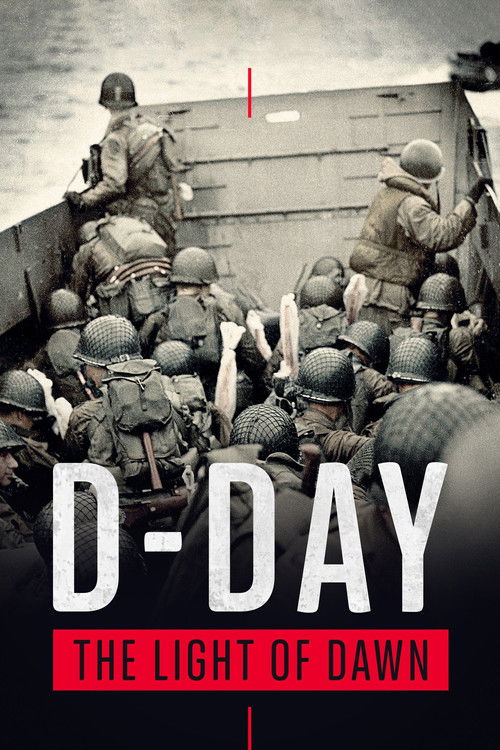
Recent study shows that the chance of surviving the invasion beaches was 25%. Then how is it possible 50% of the men survived? This documentary which has been recognized as the best D-Day documentary ever tells a different story. A beautifully made detailed reconstruction shows what happened on that day on the beaches. In the first hour of the attack one third of the American soldiers dies. This battle will be decisive in the further course of the war. Survivors tell about the factors that made it so hard to conquer the coastlines. The animated images show it all.
Overall Score
Minimal
Category Breakdown
LGBTQ+ Representation
The documentary focuses exclusively on the documented historical presence of American infantry units. There are no LGBTQ+ characters or narratives addressing queer themes.
Gender Representation
The narrative centers on male combatants, reflecting the historical reality of frontline infantry. It lacks gender diversity and significant female agency.
Racial & Ethnic Diversity
The film depicts a predominantly white, Anglo-Saxon American infantry force. It does not feature significant racial blending or diverse casting within the depicted units.
Religious & Cultural Diversity
The film operates within a framework of traditional Western military history. It emphasizes military hierarchy and the decisive nature of the Allied victory.
Disability Representation
The film addresses the physical toll of combat but does not treat disability as a character-driven narrative. Injury is treated as a tactical reality.
Strengths
Areas for Improvement
AI Analysis
Surviving D-Day is a specialized historical reconstruction that prioritizes tactical accuracy and archival realism over contemporary social representation. The film's narrative architecture is built upon the preservation of traditional historical perspectives, focusing on the experiences of a homogeneous group of soldiers. Because the work seeks to replicate the specific social and demographic constraints of the 1944 invasion, it does not engage with intersectional storytelling. The production functions as a standard historical documentary, reinforcing conventional depictions of mid-20th-century military engagement.
2004
2014
2019
2013

2016
2014
1945
2013
1947
2014
1944
2021
No reviews yet. Be the first to share your thoughts on this movie!
Use the rating form above to leave a star rating and optional review.