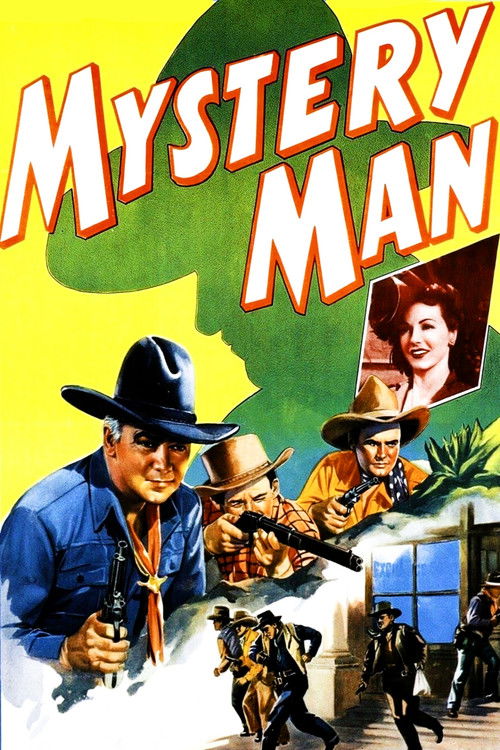
Mystery Man
1944
No user ratings available yet
Representation score: 0.6 out of 10

Representation Score
Minimal
1948
NRDirector
George Archainbaud
Runtime
58 minutes
Average Rating
No ratings yetNew Showbiz Analysis
Borrowed Trouble is a typical mid-century Western that follows the social and narrative conventions of 1948. It serves primarily as a standard genre piece rather than a work aimed at disrupting cultural norms. The film's strength lies in its exploration of socioeconomic struggle and systemic economic failure. It offers a more complex view of morality linked to economic necessity, moving beyond a simple good-versus-evil dichotomy. However, the film lacks meaningful diversity in identity or ability to act. It relies on traditional gender and racial stereotypes, focusing on a homogeneous perspective that lacks characters who reflect more than one aspect of diversity.
Category Breakdown
The film does not include any LGBTQ+ characters or explore non-straight relationships. There are no depictions of same-sex intimacy or challenges to the assumption that everyone is straight.
The story focuses on male camaraderie and conflict. Miss Abbott starts the plot by disappearing, but she remains a figure needing rescue rather than a character with independent control over her actions.
The film features a largely homogeneous cast typical of its time. There is no significant representation of minorities or diverse characters in key roles.
The film examines socioeconomic desperation and frames criminal behavior as a result of economic hardship. It subtly critiques systemic institutions through the lens of situational ethics.
There are no characters with visible or invisible disabilities in the film. No such characters are used as plot devices.
Present on Screen
Limited or Absent
Official Synopsis
Finishing a trail drive, Hoppy and the boys head to town and immediately get caught up in the conflict between school teacher Miss Abott and next door saloon owner Mawson. When Miss Abott disappears, Hoppy gets a clue to her location and rescues her from Mawson's cabin. It looks like Mawson is the man he wants, but Hoppy finds an item that indicates otherwise.
1944
1940
1946
1958
1945

1948
1942
1945
No reviews yet. Be the first to share your thoughts on this movie!
Use the rating form above to leave a star rating and optional review.