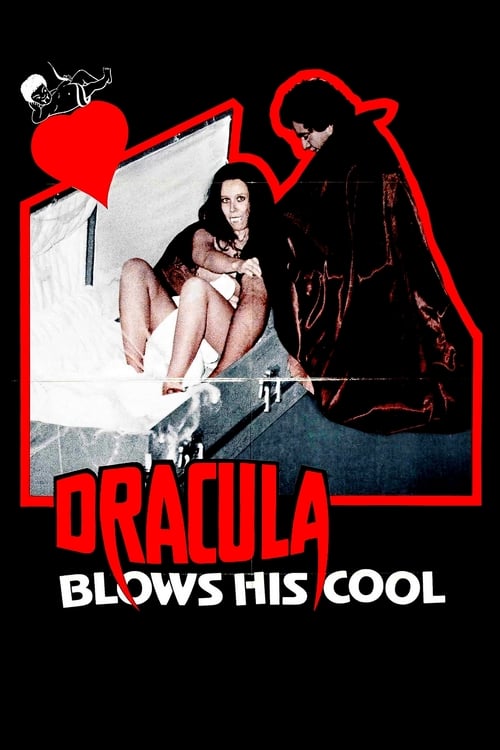
Dracula Blows His Cool
1979
No user ratings available yet
Representation score: 2.5 out of 10
Representation Score
Fair
1974
PGDirector
Clive Donner
Runtime
88 minutes
Average Rating
No ratings yetNew Showbiz Analysis
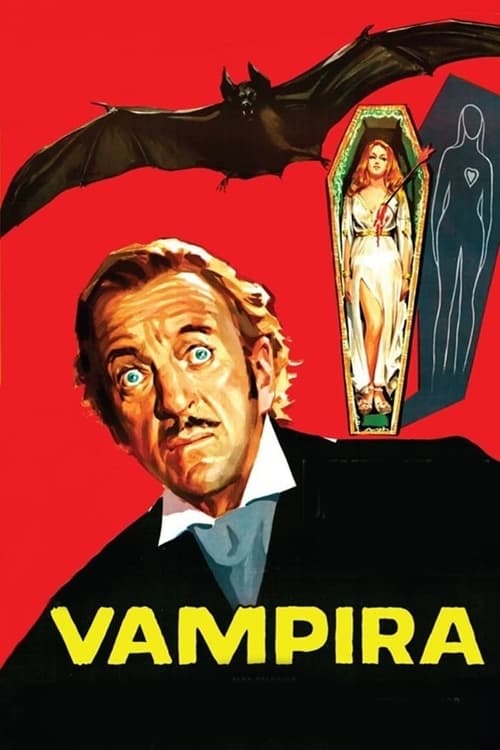
Vampira (1974) stands out for its unconventional approach to racial identity through a supernatural premise. By transforming the protagonist from white to black, the film challenges the visual homogeneity typical of 1970s horror cinema. However, the film adheres to traditional gender and sexual norms. Female characters primarily support the male protagonist's goals, and there is no representation of LGBTQ+ identities or non-straight-centered relationships. Overall, Vampira offers a unique racial metaphor while maintaining conservative portrayals of gender roles and social identities.
Category Breakdown
The film does not explicitly depict LGBTQ+ identities. The story revolves around a romantic and biological revival that adheres to traditional heterosexual norms.
Female characters mainly serve as vessels for the protagonist's transfusion objectives. They show little independence outside of supporting the male lead's needs.
The film breaks 1970s horror conventions by using a supernatural transformation to change the protagonist's race from white to black. This shifts the visual homogeneity of the genre.
The story presents Dracula through a lens of complex biological experimentation, focusing on subjective character motivations rather than a clear critique of Western institutions.
There are no visible or invisible disabilities portrayed. Characters with disabilities are not used as plot devices in the narrative.
Present on Screen
Limited or Absent
Official Synopsis
In order to revive his long hibernating bride, Vampira, Count Dracula takes blood samples from several beautiful models, but during the transfusion, Vampira's race turns from white to black.
1979
1966

1977
1967
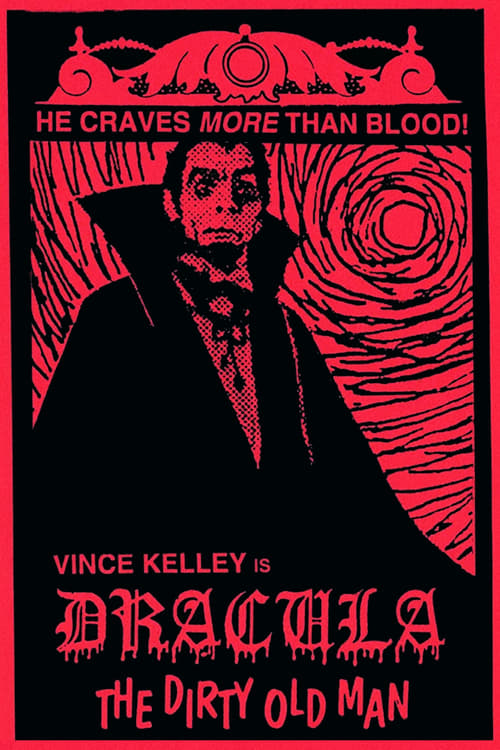
1969
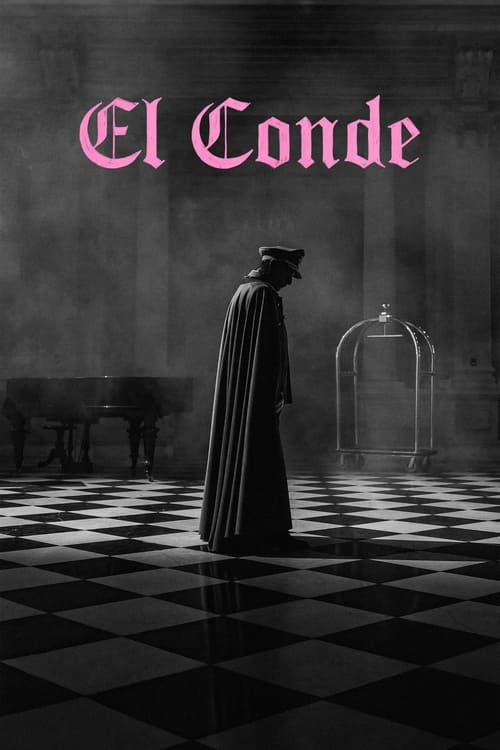
2023
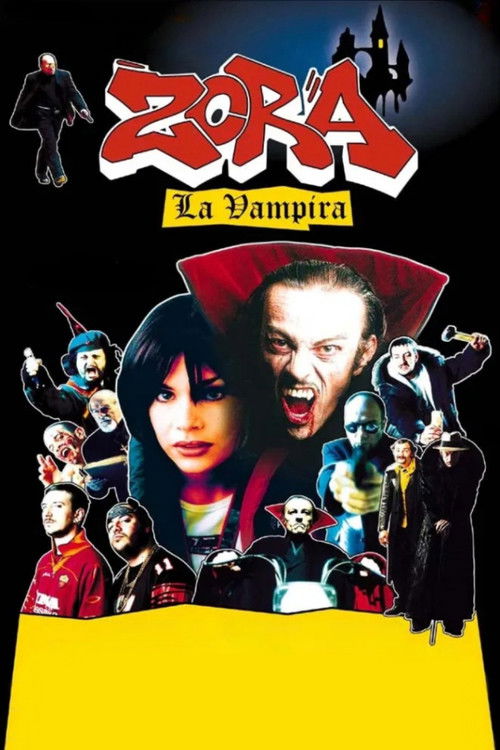
2000
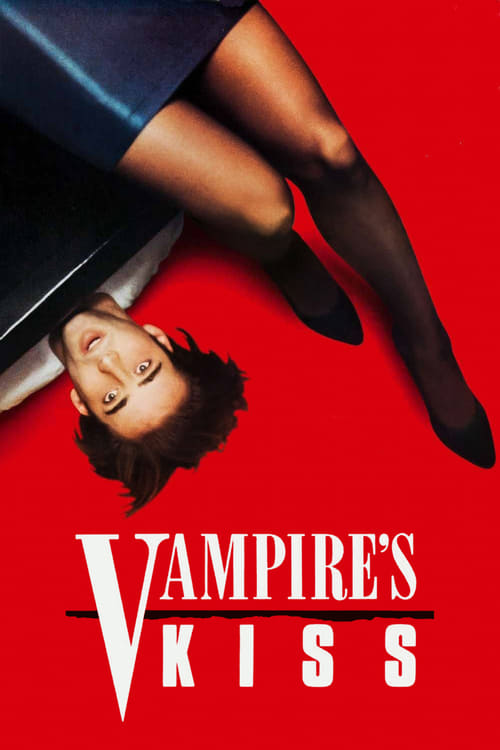
1989
No reviews yet. Be the first to share your thoughts on this movie!
Use the rating form above to leave a star rating and optional review.