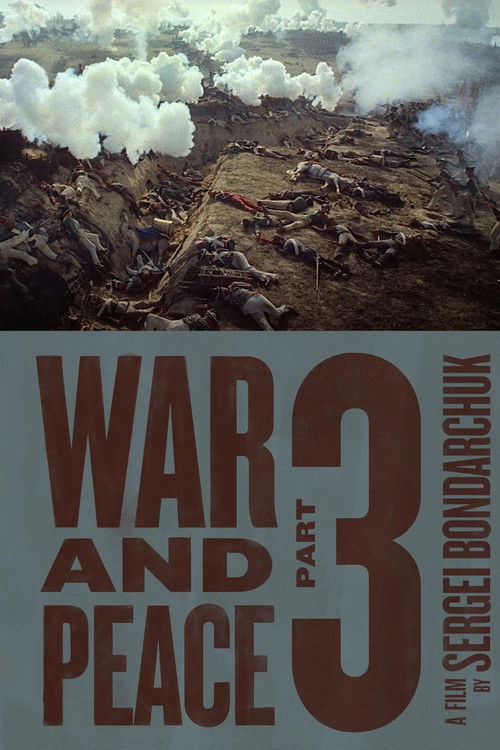
War and Peace, Part III: The Year 1812
1967
No user ratings available yet
Representation score: 3.3 out of 10
Representation Score
Minimal
1966
Not RatedDirector
Sergei Bondarchuk
Runtime
147 minutes
Average Rating
No ratings yetNew Showbiz Analysis
Bondarchuk’s epic is a triumph of historical realism that remains deeply rooted in the social hierarchies of its time. It functions as a traditional masterpiece, prioritizing the period's specific gender and class structures rather than challenging them. The film's strength lies in its cultural perspective, offering a systemic critique of imperialist expansion. By focusing on collective historical forces rather than individual heroism, it provides a distinct departure from Western-centric historical narratives. However, the work lacks modern representation of diverse identities, including LGBTQ+ individuals, non-European ethnicities, and characters with disabilities.
Category Breakdown
The film strictly follows the romantic customs of 19th-century Russian aristocracy. There is no depiction of non-traditional gender identities or same-sex relationships.
The narratives center around male-dominated activities such as military strategy and philosophy. Women play crucial emotional roles but their influence is largely defined by their relationships to men.
Casting mirrors the historical composition of the Russian and French imperial militaries. The film presents a predominantly homogenous view of the European aristocracy.
The film emphasizes the collective experience of the Russian people over Western individualistic histories. It portrays the French invasion as a disruption to the Russian collective.
There is no notable focus on neurodivergence or physical disabilities. Characters are defined by their social status and military roles rather than nuanced portrayals of disability.
Present on Screen
Limited or Absent
Official Synopsis
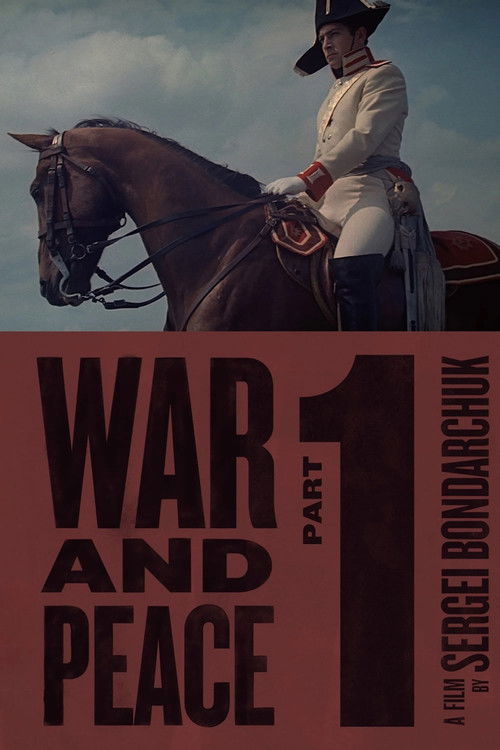
In 1805 St. Petersburg, Pierre Bezukhov, illegitimate son of a rich nobleman, is introduced to high society. His friend, Prince Andrei Bolkonsky, joins the Imperial Russian Army as aide-de-camp of General Mikhail Kutuzov in the War of the Third Coalition against General Napoleon Bonaparte. Part one of the four-part adaptation of Leo Tolstoy's 1869 novel.
1967
1968
1966

1956
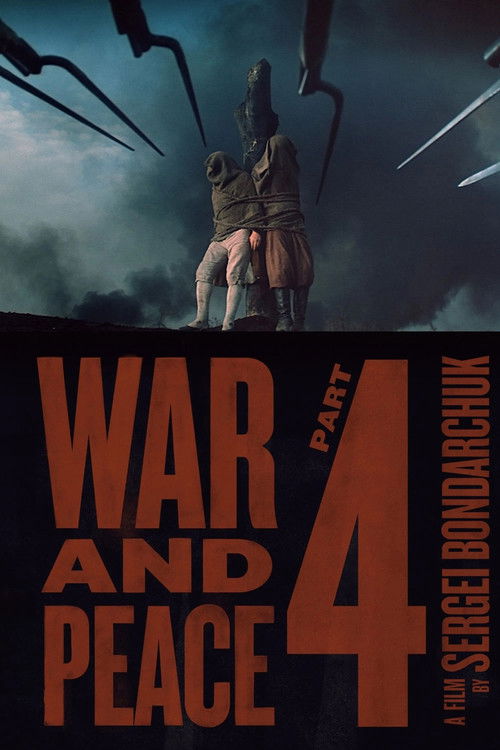
1967
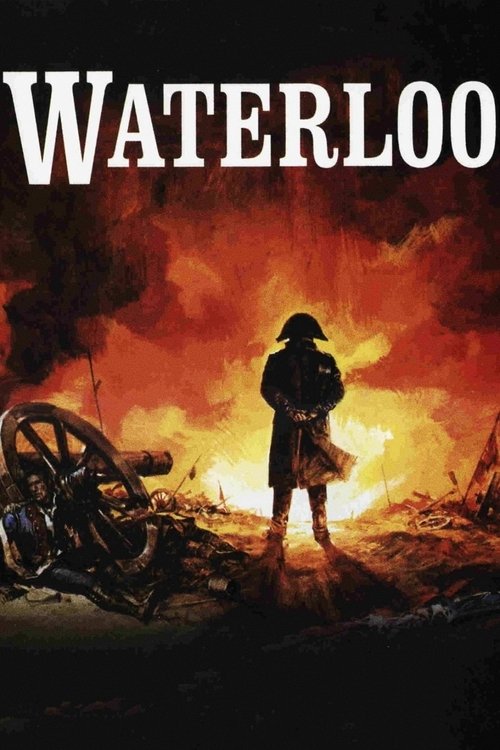
1970
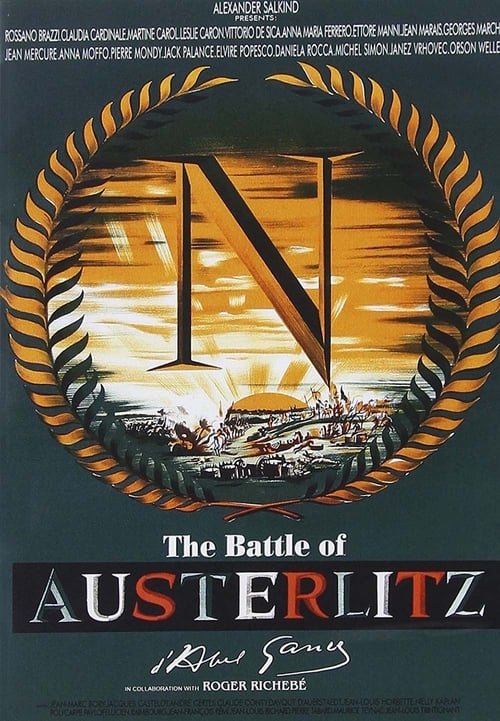
1960
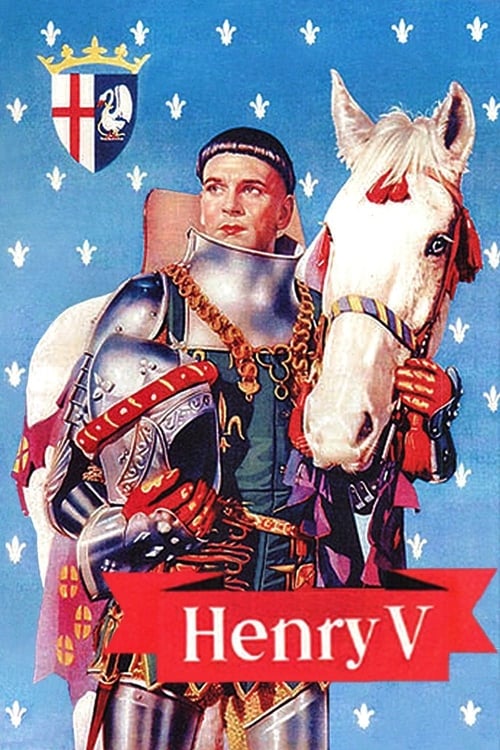
1944
No reviews yet. Be the first to share your thoughts on this movie!
Use the rating form above to leave a star rating and optional review.