
The Dumbfounded King
1991
No user ratings available yet
Diversity score: 5.2 out of 10
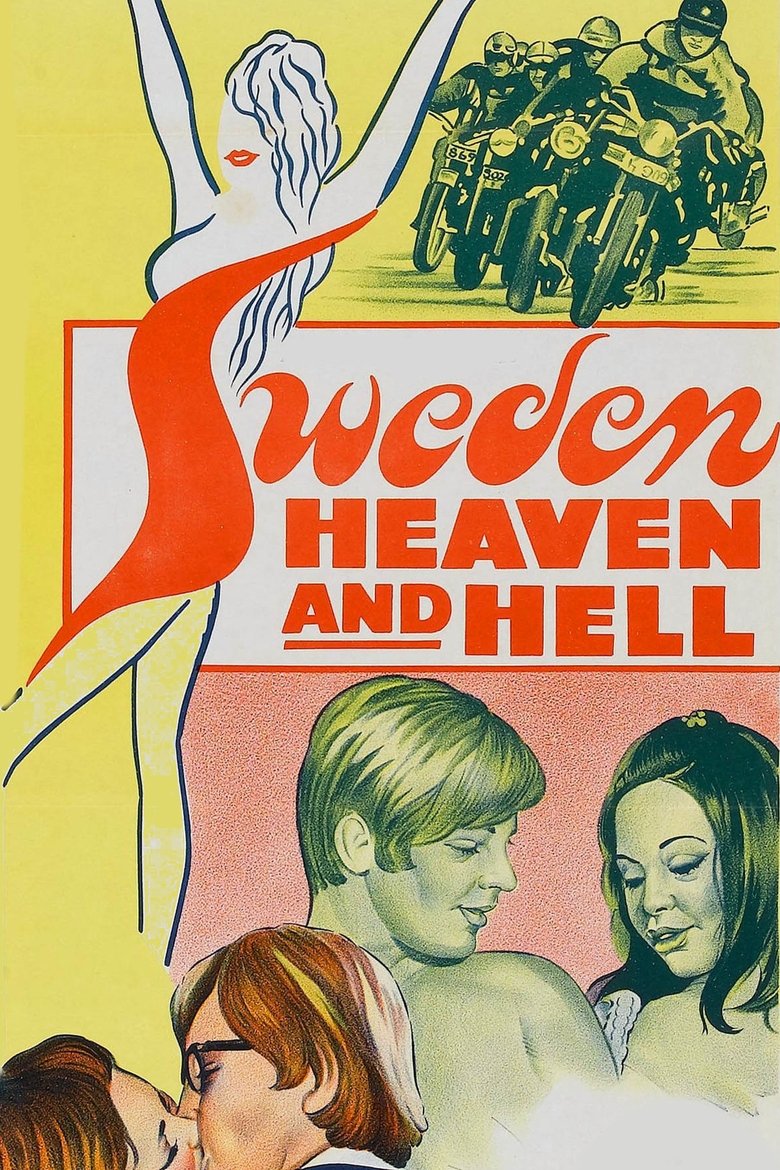
1968
RDirector
Luigi Scattini
Runtime
90 minutes
Average Rating
No ratings yetSynopsis
Nine scenes about sexuality and morals in Sweden in the late sixties.
Overall Score
Fair
Category Breakdown
LGBTQ+ Representation
The film focuses on interpersonal dynamics within a rural, class-stratified community. It lacks explicit LGBTQ+ character arcs or non-cisnormative gender identities, remaining within the era's conventional social parameters.
Gender Representation
Women are depicted with agency as they navigate the hardships of poverty and labor. The narrative avoids idealized domesticity, linking gendered roles directly to economic necessity and systemic pressure.
Racial & Ethnic Diversity
The cast is ethnically homogeneous, reflecting the historical context of 1968 rural Sweden. There is no use of diverse ethnic ensembles or race-bent casting.
Religious & Cultural Diversity
The film offers a sharp critique of capitalist structures and traditional Western hierarchies. It frames social unrest as a systemic response to exploitation rather than mere criminality.
Disability Representation
There is no significant evidence regarding the portrayal of physical or neurodivergent disabilities within the narrative.
Strengths
Areas for Improvement
AI Analysis
Sweden: Heaven and Hell is a social realist study of class conflict in rural Sweden. It trades romanticized pastoral imagery for a gritty examination of how socioeconomic structures dictate morality and survival. While the film lacks demographic variety in terms of race and LGBTQ+ identity, it excels in its thematic depth. It uses a vignette-based structure to challenge institutional stability and the oppression of the landed class. Ultimately, the work functions more as a critique of systemic inequality than a diverse character study, prioritizing political and class-based commentary over modern identity representation.
1991
1963
1969

1955
1976

2021

1981

1955
2012
2022

2016

2019
No reviews yet. Be the first to share your thoughts on this movie!
Use the rating form above to leave a star rating and optional review.