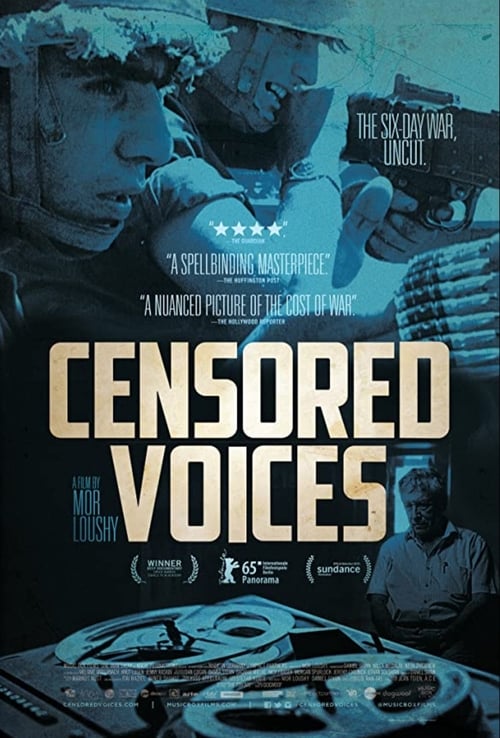
Censored Voices
2015
No user ratings available yet
Representation score: 5.9 out of 10
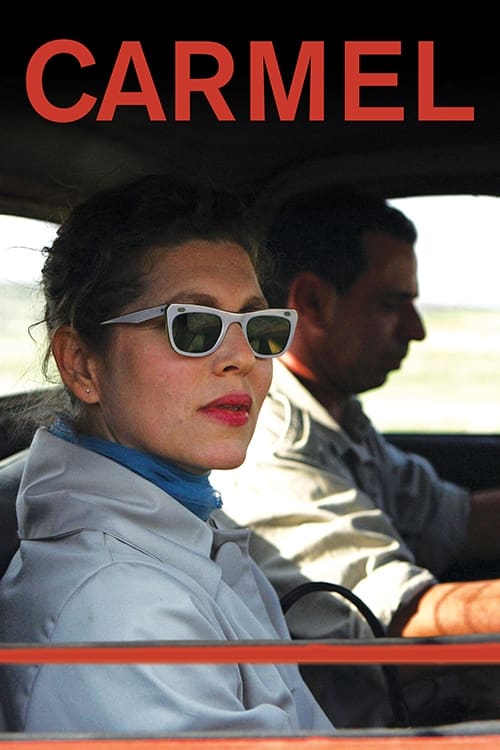
Representation Score
Good
2009
Not RatedDirector
Amos Gitai
Runtime
93 minutes
Average Rating
No ratings yetNew Showbiz Analysis
Amos Gitai’s documentary uses the mechanics of espionage to explore national identity and state power. By centering a female protagonist in a traditionally male-dominated field, the film provides a nuanced look at professional competence. The film’s strength lies in its examination of power dynamics and ethnic conflicts, particularly through the lens of the Israeli-Palestinian conflict. However, it remains silent on LGBTQ+ identities and does not include characters with disabilities.
Category Breakdown
The film does not prominently feature LGBTQ+ characters or address queer identities directly.
A female intelligence officer drives the plot by taking control of her actions and decisions, disrupting traditional gender roles.
The film explores the Israeli-Palestinian conflict through the interactions between an Israeli officer and a Palestinian subject, highlighting their differing backgrounds.
The film challenges conventional military clichés by focusing on the moral complexities and institutional dynamics of the Israeli-Palestinian conflict.
The film does not prominently depict characters with physical or neurodivergent disabilities.
Present on Screen
Limited or Absent
Official Synopsis
Israeli filmmaker Amos Gitaï offers a look impressionist long history of armed conflict in their nation.
2015
2011
2015

2009
1982
2019
1995
2005
No reviews yet. Be the first to share your thoughts on this movie!
Use the rating form above to leave a star rating and optional review.