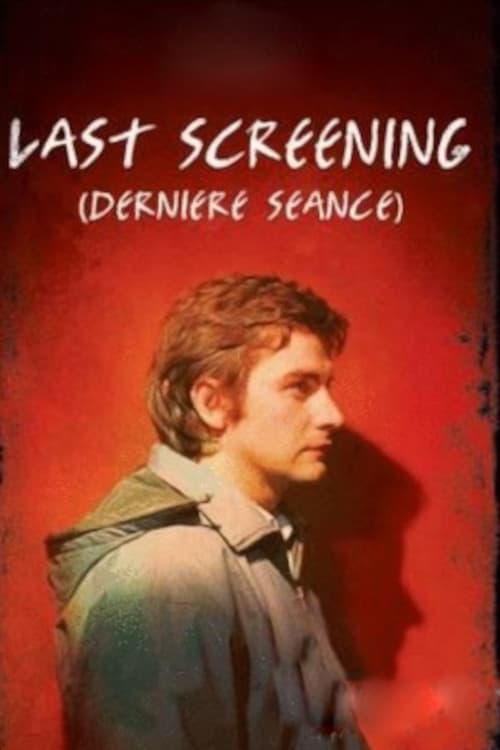
Last Screening
2011
No user ratings available yet
Diversity score: 4.0 out of 10

1994
Director
Uwe Boll
Runtime
65 minutes
Average Rating
No ratings yetSynopsis
A nameless waiter spends his days sitting around the house watching Faces of Death, slaughterhouse videos, pornography and the German equivalent of The Price Is Right. Deluded, deranged and believing mankind will endure the most horrible experiences, and will resort to any actions in order to sustain their own life, he snaps.
Overall Score
Limited
Category Breakdown
LGBTQ+ Representation
The film lacks any discernible presence of LGBTQ+ characters or non-cisnormative identities. It does not engage with queer themes or offer critiques of heteronormativity.
Gender Representation
The narrative maintains a singular focus on a male protagonist. It fails to subvert gender hierarchies or provide nuanced portrayals of female agency.
Racial & Ethnic Diversity
The film depicts a homogeneous social environment within a German setting. There is no evidence of racial blending or diverse casting within the narrative architecture.
Religious & Cultural Diversity
The story presents a nihilistic view of modern social structures. It portrays the individual's relationship with society as fundamentally broken and irredeemable.
Disability Representation
Mental health instability serves primarily as a catalyst for violence. The portrayal leans toward the dangerous outsider trope rather than a nuanced exploration of lived experience.
Strengths
Areas for Improvement
AI Analysis
Amoklauf is a nihilistic character study that prioritizes psychological extremity and shock value over intersectional representation. The film's narrative architecture is built upon traditional, homogeneous social frameworks that do not challenge existing power structures. The protagonist's mental health is used as a plot device for violence rather than a complex exploration of neurodivergence. This reliance on tropes limits the film's depth regarding disability and social identity. Ultimately, the film lacks the intentionality required to disrupt conventional hierarchies, resulting in a narrow, non-diverse social backdrop.
2011
1999
2012
2013
1975
2019

1997

2000
1976
1977
1973
2020
No reviews yet. Be the first to share your thoughts on this movie!
Use the rating form above to leave a star rating and optional review.