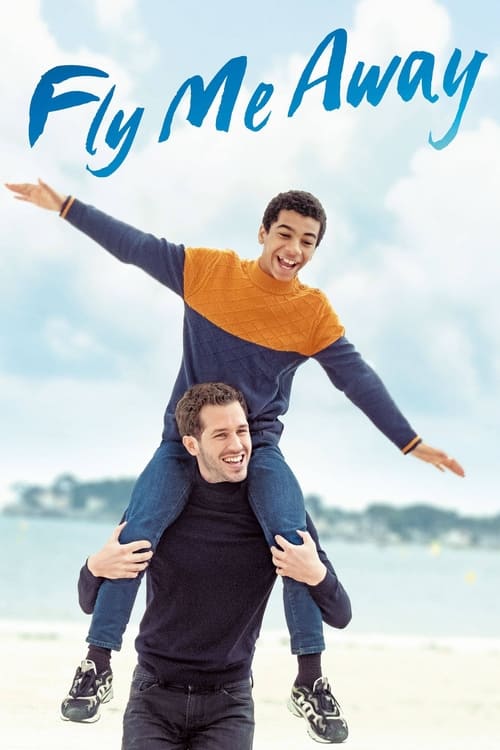
Fly Me Away
2021
No user ratings available yet
Representation score: 8.0 out of 10
Representation Score
Excellent
2019
Director
Éric Toledano, Olivier Nakache
Runtime
114 minutes
Average Rating
No ratings yetNew Showbiz Analysis
The film stands out by centering neurodivergent individuals as active participants rather than passive subjects. By focusing on the lived experiences of those with autism, it elevates disability representation to a central, humanizing element of the narrative. Socially, the film empowers youth from underprivileged, multi-ethnic backgrounds, granting them a significant role in driving the story and positioning them as skilled caregivers rather than just recipients of aid. However, the narrative lacks depth in other areas of identity, such as LGBTQ+ representation and subversion of traditional gender roles.
Category Breakdown
The film does not explore LGBTQ+ identities explicitly or delve into non-cisgender gender roles. There are no clear LGBTQ+ character arcs or discussions of queer identity.
The film highlights professional roles through caregiving, a traditionally gendered field. The protagonists lead through intense emotional labor, emphasizing their partnership rather than challenging traditional gender roles.
Characters from underprivileged, multi-ethnic backgrounds play key roles. The film empowers these characters by training them to become caregivers, disrupting traditional hierarchies of social service providers.
The story questions Western institutional effectiveness by highlighting extreme cases rejected by standard systems. Grassroots organizations are portrayed as more effective than rigid, established social structures.
This is the film's strongest element, focusing entirely on neurodivergent individuals. It presents these characters as active participants rather than objects of pity, moving beyond medicalized stereotypes.
Present on Screen
Limited or Absent
Official Synopsis
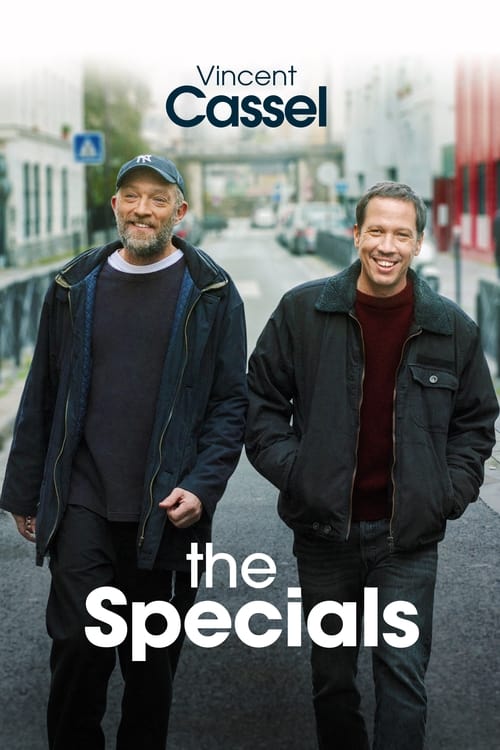
For twenty years, Bruno and Malik have lived in a different world—the world of autistic children and teens. In charge of two separate nonprofit organizations (The Hatch & The Shelter), they train young people from underprivileged areas to be caregivers for extreme cases that have been refused by all other institutions. It’s an exceptional partnership, outside of traditional settings, for some quite extraordinary characters.
2021

2010

2018
2023

2022
2018

2023
2016
No reviews yet. Be the first to share your thoughts on this movie!
Use the rating form above to leave a star rating and optional review.