Panda! Go Panda!
1972
No user ratings available yet
Representation score: 1.9 out of 10
Representation Score
Fair
1981
Director
Isao Takahata
Runtime
105 minutes
Average Rating
No ratings yetNew Showbiz Analysis
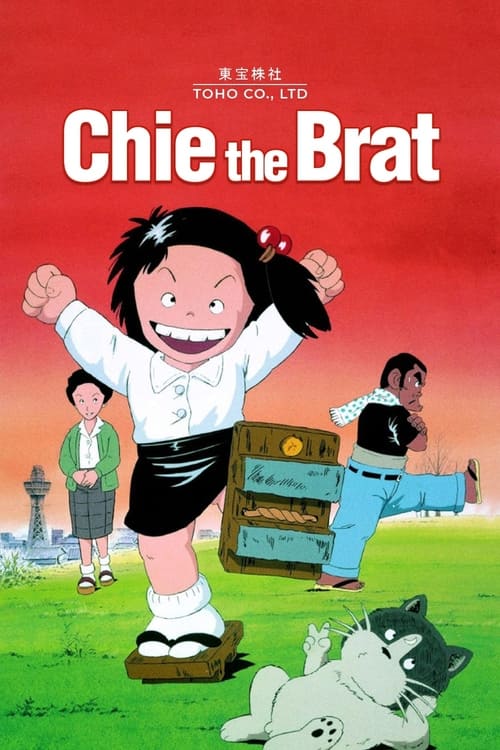
Chie the Brat stands out for its commitment to social realism and its examination of non-idealized family structures. Unlike many films, it focuses on the emotional struggles faced by a child dealing with parental instability. The film excels in its nuanced portrayal of gender roles and its avoidance of sanitized depictions of working-class life. However, it remains limited by its era's demographic constraints, lacking explicit LGBTQ+ representation and diverse ethnic perspectives. It primarily functions as a localized study of Japanese social dynamics.
Category Breakdown
The film does not include any explicit LGBTQ+ characters or representations of non-straight relationships. Instead, it centers on a family dealing with the aftermath of parental separation.
Chie, a young girl, serves as the emotional and operational leader of her household. By showing a girl as more reliable than her father, the film challenges traditional gender roles.
Set in Osaka, the film presents a gritty, working-class environment that avoids idealized depictions of Japanese life. It focuses on a culturally homogeneous community.
The story delves into the complexities of a dysfunctional family rather than presenting an idealized home life. It offers a realistic and somewhat cynical view of economic and familial stability.
There is no indication of physical or neurodivergent disabilities being portrayed in this film.
Present on Screen
Limited or Absent
Official Synopsis
Chie Takemoto is a dependable girl who struggles to help her troublesome father run a small tavern in Osaka. Unbeknown to her dad, she occasionally visits her mother who left him not too long ago. She plans on trying to reunite them, but not until her father gets a job.
1972
1999
1980
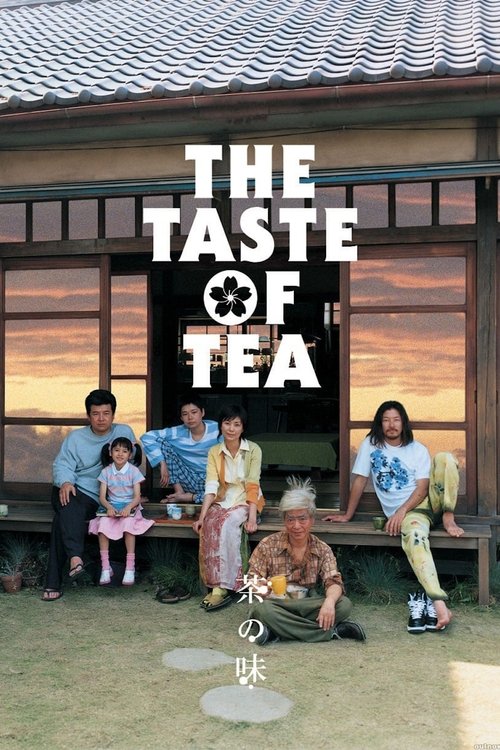
2004
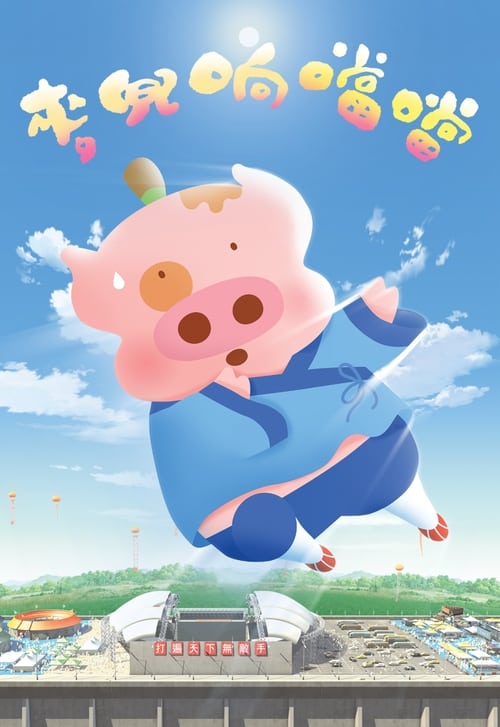
2009

1973
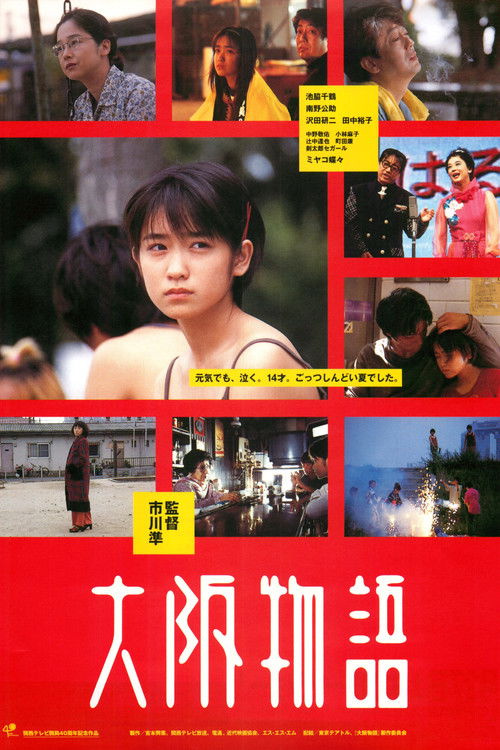
1999
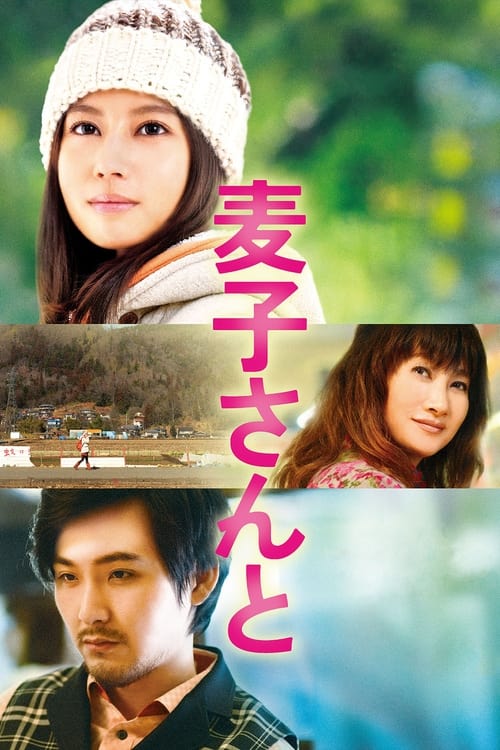
2013
No reviews yet. Be the first to share your thoughts on this movie!
Use the rating form above to leave a star rating and optional review.