
Angry Tiger
1973
No user ratings available yet
Representation score: 2.6 out of 10
Representation Score
Minimal
1976
Director
Chan Chue
Runtime
91 minutes
Average Rating
No ratings yetNew Showbiz Analysis
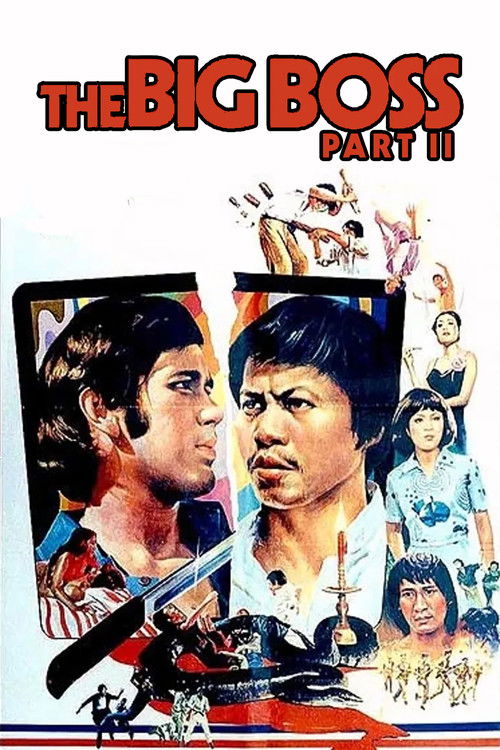
The Big Boss Part II is a classic 1970s martial arts film that prioritizes genre clichés over social deconstruction. It stands out for its ethnic representation, featuring a predominantly East Asian cast and highlighting East Asian ability to act. However, the film operates within a narrow social framework, reinforcing traditional gender hierarchies and lacking engagement with LGBTQ+ identities or disability representation. While it excels in ethnic representation, it remains a traditionalist work that upholds established hierarchies of gender and morality.
Category Breakdown
The film focuses on fraternal loyalty and masculine bonds. It does not depict any non-cisgender identities or same-sex relationships.
The story centers on male-driven action and physical strength. Female characters play minor roles, mainly supporting the male protagonist.
The film features a predominantly East Asian cast, highlighting East Asian ability to act. It avoids the whitewashing often seen in similar films of the time.
The story follows a traditional moral framework focusing on vengeance and justice. It emphasizes individual retribution over broader social critiques.
Characters are defined by their martial prowess and physical abilities. There are no depictions of physical or neurodivergent disabilities.
Present on Screen
Limited or Absent
Official Synopsis
In the last "Big Boss" (AKA "Fists of Fury"), Cheng Chao-On was arrested after killing Hsiao Mi, "The Big Boss." In this unofficial sequel, his brother, Cheng Chao-Chun, visits his brother in Thailand, finds a job at the same ice factory that his brother worked at and avenges the death of their father.
1973

1971
1974

1982

1973
1977

1973
1977
No reviews yet. Be the first to share your thoughts on this movie!
Use the rating form above to leave a star rating and optional review.