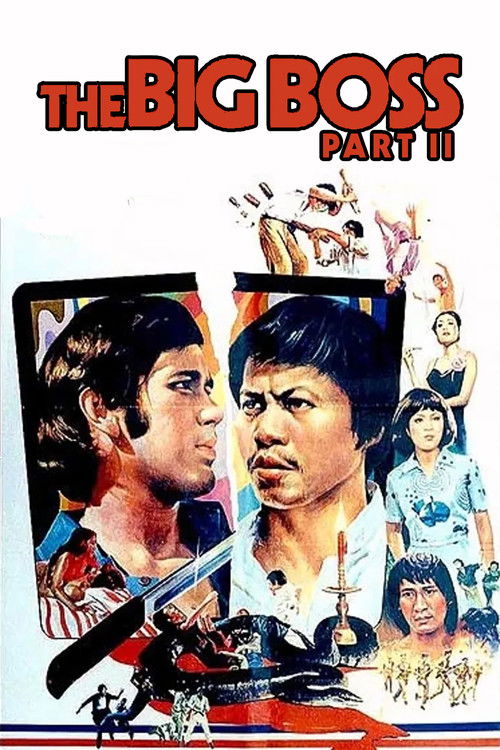
The Big Boss Part II
1976
No user ratings available yet
Representation score: 1.5 out of 10

Representation Score
Limited
1971
RDirector
Lo Wei
Runtime
99 minutes
Average Rating
No ratings yetNew Showbiz Analysis
The Big Boss is a martial arts film that examines the tensions between migrant labor and exploitative industrial systems. It successfully illustrates the vulnerability of displaced populations in unfamiliar economic environments. However, the film adheres to traditional social hierarchies, lacking representation of LGBTQ+ identities and failing to give female characters significant roles. Ultimately, the film's strength lies in its critique of power structures, using the immigrant experience to highlight the struggle against corrupt corporate and criminal entities.
Category Breakdown
The film does not include any visible LGBTQ+ characters or stories. It portrays a social world through a strictly traditional viewpoint, ignoring queer identities.
Female characters are given minor roles, often serving as emotional support or victims. The story does not give female characters much influence or power.
The story offers a meaningful portrayal of the Chinese diaspora in a Southeast Asian setting. It highlights the daily struggles and systemic pressures faced by migrant workers.
The film criticizes greedy capitalist entities and the failure of local authorities. It presents the protagonist's rebellion as a necessary response to a corrupt and predatory system.
The film does not depict any characters with visible or invisible disabilities. There are no characters whose stories revolve around neurodivergence or physical impairments.
Present on Screen
Limited or Absent
Official Synopsis
Cheng is a young Chinese mainlander who moves in with his expatriate cousins to work at an ice factory in Thailand. He does this with a family promise never to get involved in any fights. However, when members of his family begin disappearing after meeting the management of the factory, the resulting mystery and pressures force him to break that vow and take on the villainy of the Big Boss.
1976
1980
1974
1982
1968
1973
1980
1976
No reviews yet. Be the first to share your thoughts on this movie!
Use the rating form above to leave a star rating and optional review.