
trustWHO
2018
No user ratings available yet
Representation score: 6.5 out of 10
Representation Score
Fair
2016
Director
Aaron Biebert
Runtime
94 minutes
Average Rating
No ratings yetNew Showbiz Analysis
A Billion Lives is a global documentary that emphasizes systemic critique over demographic diversity. Its strength lies in its international scope, using interviews across four continents to challenge Western-centric health narratives. While the film effectively critiques institutional power and capitalist influence on healthcare, it falls short in representing LGBTQ+ identities, female voices, and the experiences of disabled individuals. The diversity in its cultural perspective does not extend to individual identities.
Category Breakdown
The film does not include any LGBTQ+ characters or narratives. The focus is solely on global health policy and medical technology.
The documentary centers on professional and scientific fields that have traditionally been male-dominated. It does not challenge gender hierarchies or give significant roles to female voices.
The film achieves meaningful representation by covering four continents and diverse geographic and socioeconomic contexts. It avoids a purely Western-centric viewpoint.
The narrative criticizes traditional Western institutions and pharmaceutical industries, portraying regulatory bodies as obstacles to innovation and personal freedom.
The film discusses biological factors related to addiction and premature death but does not focus on the lived experiences of disabled individuals. It views disability as a systemic issue in addressing physiological needs.
Present on Screen
Limited or Absent
Official Synopsis
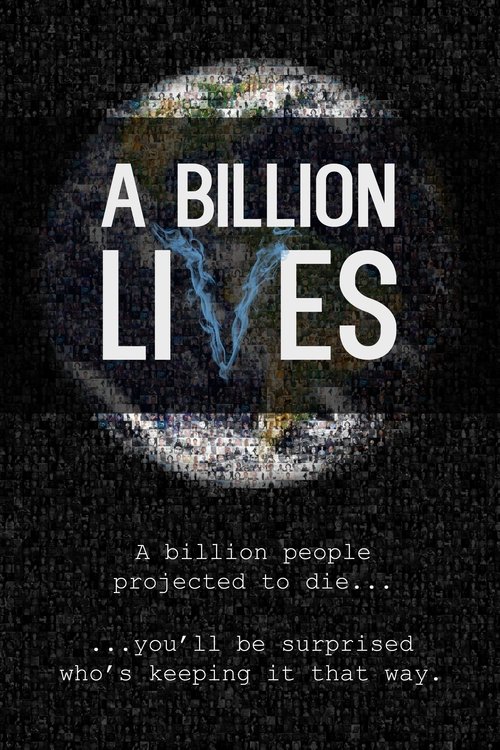
In 20 years’ time, there will be nearly 1.6 billion smokers around the world. Approximately 70% of smokers want to quit. The United Nations’ World Health Organisation expects a billion people will die prematurely from smoking this century. The products their doctors recommend are rarely effective and many are trapped. A new vapour technology was invented to give smokers a successful way to quit. But it was quickly demonised, and even banned in many countries. A perfect storm is brewing between smokers trying to quit, government regulators, and health charities funded by the powerful pharmaceutical industry. Director Aaron Biebert travelled across four continents interviewing doctors, scientists, and others working to save a billion lives. What he found was profound government failure, widespread corruption in the public health community and powerful subversion by big business.
2018
2012

2016

2019
2013

2022

2013

2010
No reviews yet. Be the first to share your thoughts on this movie!
Use the rating form above to leave a star rating and optional review.