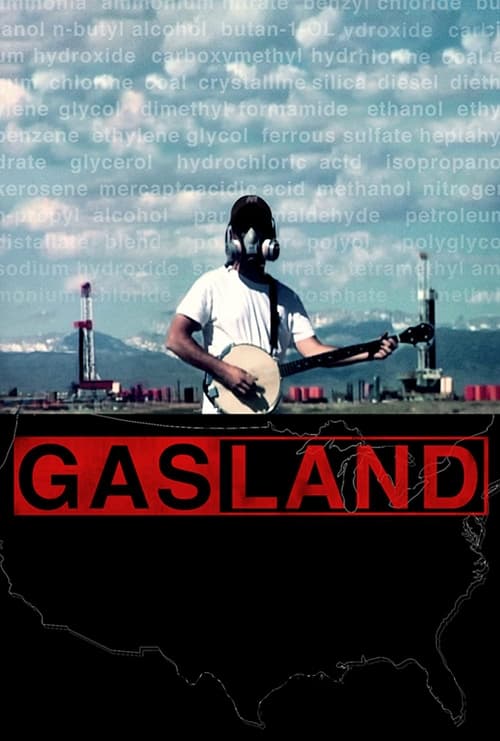
Gasland
2010
No user ratings available yet
Diversity score: 5.7 out of 10

2016
Director
Jenny Carchman
Runtime
93 minutes
Average Rating
No ratings yetSynopsis
The self-help industry is worth $11 billion dollars a year. It’s an industry that captivates those seeking happiness, release from suffering and those longing for a path and a leader to follow. James Arthur Ray for many who followed him was that leader to guide his flock. But as the story unfolds, as told by Ray himself and also by his followers, we learn that that path was fraught with danger and perhaps even greater suffering.
Overall Score
Fair
Category Breakdown
LGBTQ+ Representation
The documentary lacks narratives centered on LGBTQ+ identities or non-cisnormative gender expressions. The focus remains strictly on the psychological mechanics of the James Arthur Ray movement.
Gender Representation
The film examines power imbalances where a male figurehead exerts authority over a predominantly female demographic. It deconstructs traditional masculine leadership by portraying Ray’s guidance as a facade for manipulation.
Racial & Ethnic Diversity
The film focuses on a specific socioeconomic subset of spiritual seekers. There is no evidence of significant racial blending or intentional efforts to disrupt Anglo-centric casting within the subject matter.
Religious & Cultural Diversity
The narrative performs a sophisticated critique of the commodification of spirituality within a capitalist framework. It challenges the self-help industry, framing it as a predatory structure that exploits the human desire for meaning.
Disability Representation
The film provides an implicit analysis of psychological vulnerability and mental health implications. However, these elements are treated as symptoms of a social phenomenon rather than individual agency.
Strengths
Areas for Improvement
AI Analysis
Enlighten Us: The Rise and Fall of James Arthur Ray functions more as a sociological critique than a diverse character study. While it lacks breadth in LGBTQ+ and racial representation, it offers significant depth in its cultural analysis of Western spiritualism. The documentary succeeds by deconstructing the 'hero's journey' typically associated with motivational leaders. It exposes the systemic corruption inherent in unregulated charismatic authority and the predatory nature of the self-help industry. Ultimately, the film's value lies in its interrogation of modern social movements and the exploitation of the American Dream, rather than its demographic variety.
2010
2010

2020
2021

2024
2010

2014

2007

2021

2021

2009
2017
No reviews yet. Be the first to share your thoughts on this movie!
Use the rating form above to leave a star rating and optional review.