
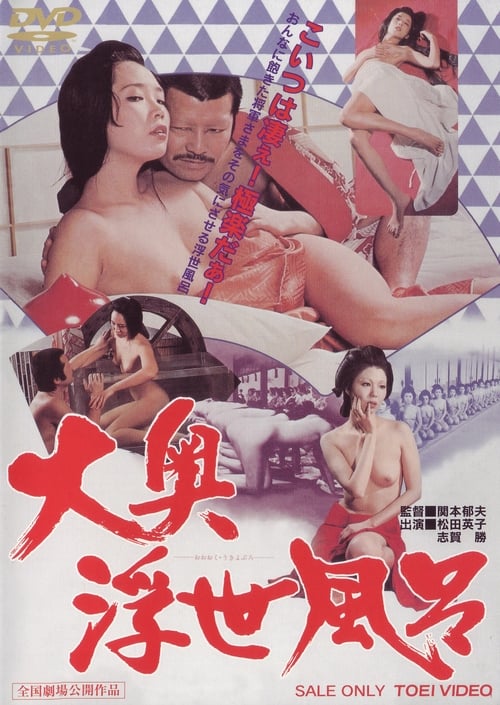
Yakuza Justice: Erotic Code of Honor
1973
No user ratings available yet
Representation score: 5.6 out of 10
Representation Score
Fair
1977
Director
Ikuo Sekimoto
Runtime
81 minutes
Average Rating
No ratings yetNew Showbiz Analysis
The film presents a gritty deconstruction of Edo-period hierarchies rather than a sanitized historical epic. By focusing on a lowlife criminal and the intricate politics of the Shogun's concubines, it subverts traditional male clichés and idealized samurai honor. While the film lacks diverse representation regarding LGBTQ+ identities or disability, it successfully challenges monolithic cultural stereotypes. It replaces the idea of a stable, moralistic social order with a realistic portrayal of systemic corruption and survival. Ultimately, the work provides a nuanced view of power dynamics. It highlights moral relativism and the depiction of social dysfunction as a form of rebellion against an oppressive state.
Category Breakdown
The film focuses on the romantic relationship between Zenjiro and Okoyo but does not include any explicit evidence of queer identities or roles.
The movie centers on the political maneuvering through the concubinage system, where women play a key role in driving the plot despite limited freedom.
The cast is ethnically uniform, reflecting the period setting. The film opts for a gritty depiction of the social underclass rather than an idealized version of history.
The story critiques established institutions by portraying the protagonist as a criminal. It challenges the sanctity of the Shogunate and the rigid class structures of the Tokugawa era.
There are no visible or invisible disabilities portrayed with specific roles or as central plot devices in this narrative.
Present on Screen
Limited or Absent
Official Synopsis
Zenjiro (Masaru Shiga) is a lowlife criminal, roaming the country with his merry band of crooks, gamblers and rapists. When he gets done with his latest escapade of banging a samurai's wife, he finds that his love Okoyo (Eiko Matsuda), has managed to be recruited as one of Shogun Tokugawa Ietsuna's (Kantaro Suga) concubines. While attempting to win her back, Zenjiro becomes involved in increasingly murderous palace intrigues.
1973
1957
1969
1979
1968
1986
1973
1975
No reviews yet. Be the first to share your thoughts on this movie!
Use the rating form above to leave a star rating and optional review.