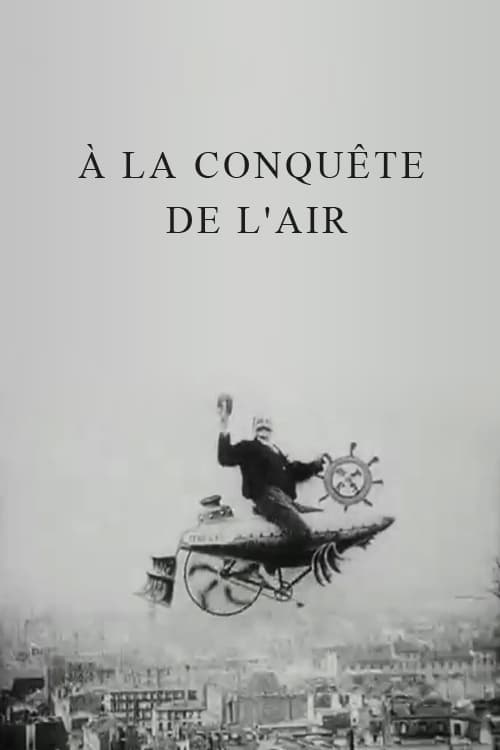
Conquering the Skies
1901
No user ratings available yet
Representation score: 0.5 out of 10

Representation Score
Limited
1902
Director
Edwin S. Porter
Runtime
1 minutes
Average Rating
No ratings yetNew Showbiz Analysis
This early silent short primarily serves as a technical demonstration of flight and urban landscapes. The narrative follows a linear structure centered around a traditional comedic character. Reflecting the era, the film exhibits demographic and social homogeneity common in early 20th-century American media. It does not actively challenge social hierarchies or promote progressive values.
Category Breakdown
The film does not include any depictions of LGBTQ+ identities or intimate moments between characters. The story focuses on a single comedic character, leaving no room for exploring gender or sexual orientation.
The narrative is dominated by male characters, particularly the tramp archetype. There is a noticeable lack of female characters who play significant roles in driving the story.
The film features a predominantly white cast, which is typical of early American silent films. There is no indication of diverse casting or challenging racial stereotypes.
The film showcases a fascination with technology and urban life. It introduces a minor element of socioeconomic struggle through the depiction of a tramp character.
The main character uses a makeshift tin can, suggesting economic hardship or physical makeshift solutions. However, there is no evidence that disability plays a central role in the narrative.
Present on Screen
Limited or Absent
Official Synopsis
A comic picture that defies description. It depicts the Twentieth Century up-to-date tramp flying over the chimney tops of New York City in the latest improved flying machine. Weary Willie has the indispensible tin can hanging from his waist and he waves his hands to his friends as he flies along. He passes over the top of the Equitable Life building and other New York sky scrapers. He flies over the East River and clears the top of the Brooklyn Bridge, and appears to be making his way toward Staten Island. When he is about in the centre of the river, his flying machine explodes, and like the unfortunate McGinty, down goes Weary William.
1901
1929
1905

1904

1921

1912
1906
1909
No reviews yet. Be the first to share your thoughts on this movie!
Use the rating form above to leave a star rating and optional review.