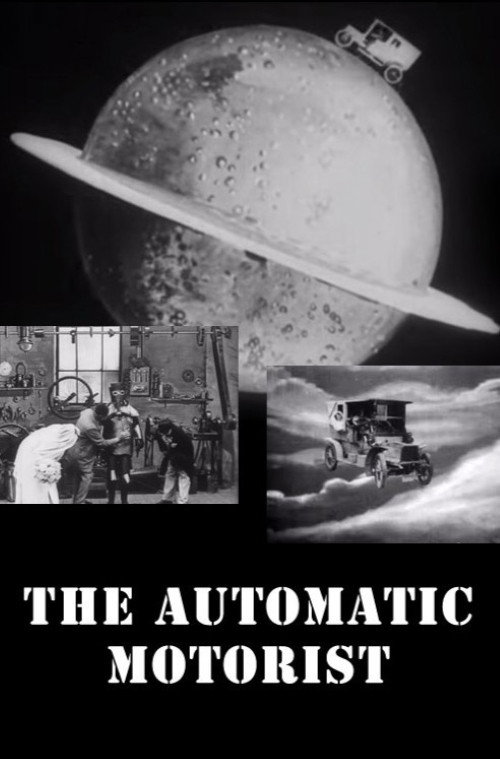
The Automatic Motorist
1911
No user ratings available yet
Representation score: 0.9 out of 10
Representation Score
Minimal
1906
Director
Walter R. Booth
Runtime
3 minutes
Average Rating
No ratings yetNew Showbiz Analysis
This early science fiction short emphasizes visual spectacle and the subversion of physical laws over human characterization. The central motorcar acts as a disruptive force, bypassing law enforcement and challenging the established order of the early 20th century. While the film lacks modern representation of diverse identities, it possesses a unique avant-garde quality. It uses the magical properties of a machine to defy systemic authority and traditional societal constraints. Ultimately, the work focuses more on the study of technological disruption than on human diversity, resulting in limited social representation despite its creative spirit.
Category Breakdown
The film does not include any characters or stories related to LGBTQ+ identities. The focus is solely on the fantastical aspects of the vehicle.
The narrative centers around a mechanical object rather than character interactions. There is no depiction of gender roles or the subversion of gender norms.
There is no indication of a diverse cast or the inclusion of non-white characters. The film seems to follow the homogeneous standards of early 20th-century cinema.
The motorcar’s defiance of police authority celebrates anti-authoritarianism. Its ability to transform into a horse and carriage highlights a flexible relationship with traditional progress.
The provided context offers no evidence of characters with visible or invisible disabilities. The story revolves around the magical properties of the motorcar.
Present on Screen
Limited or Absent
Official Synopsis
A magical glowing white motorcar ignores policemen, drives up buildings, flies through outer space, and can transform into a horse and carriage.
1911
1905

1904
1909
1899
1921

1906

1901
No reviews yet. Be the first to share your thoughts on this movie!
Use the rating form above to leave a star rating and optional review.