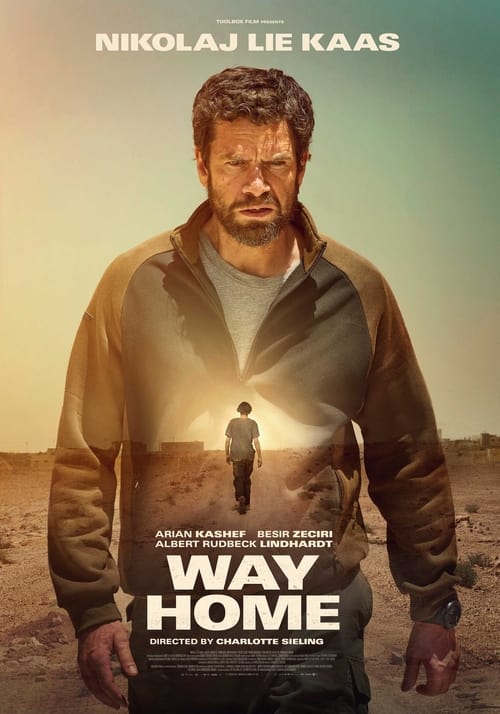
Way Home
2024
No user ratings available yet
Representation score: 8.2 out of 10

Representation Score
Fair
2025
RDirector
Paul Greengrass
Runtime
130 minutes
Average Rating
No ratings yetNew Showbiz Analysis
The film presents a traditional survival thriller centered around conventional gender roles and straight-centered structures. While it includes Latino actors in significant roles, the narrative remains male-centric. Female characters are either nurturing or bureaucratic obstacles, and disability is used for emotional impact without substantial depth. The cultural framework emphasizes individual resilience and paternal duty without challenging systemic hierarchies.
Category Breakdown
There are no LGBTQ+ characters or non-cisgender identities in the film. The story focuses on a single father and his estranged wife, adhering to traditional heterosexual relationships.
Kevin McKay is portrayed as the main male protector and decision-maker. Mary Ludwig plays a nurturing role, while other female authority figures are shown as bureaucratic obstacles rather than empowered leaders.
The film includes Latino actors in key roles, such as America Ferrera as the teacher and Yul Vazquez as the Fire Chief. However, the central narrative revolves around the white male protagonist.
The movie upholds traditional Western values, emphasizing individual heroism and paternal duty. It critiques institutional failures but maintains conventional moral frameworks without dismantling traditional family structures.
Kevin’s disabled mother serves primarily as a plot device, highlighting caregiving burdens. Her portrayal lacks depth and independent narrative power, focusing mainly on emotional stakes.
Present on Screen
Limited or Absent
Official Synopsis
A determined father risks everything to rescue a dedicated teacher and her students from a raging wildfire.
2024

2022

2023

2016
2021

2021

1994

2025
No reviews yet. Be the first to share your thoughts on this movie!
Use the rating form above to leave a star rating and optional review.